


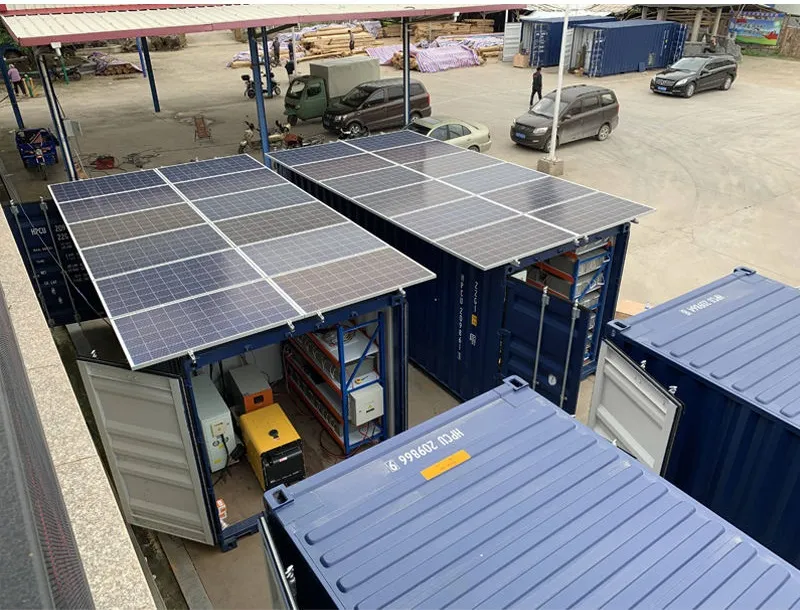
Let me paint a picture: It's a sunny Tuesday morning, and your rooftop solar panels are humming along quietly. You're doing your part for the planet while saving money. But here's the catch—what if those panels aren't actually doing their job as well as you think? Little do you know, tiny defects called "hot spots" are silently robbing you of energy and chipping away at your investment. Regular inspections are your power armor against this hidden threat.
Think of your solar panels like your teeth. You wouldn't skip dental checkups until your tooth is throbbing, right? Similarly, you shouldn't wait for a total meltdown to inspect your solar array. Hot spots start small—usually as undetectable irregularities—then swell into energy-hungry problems that can eventually cause fires.
In this deep-dive guide, we'll uncover why regular checkups are non-negotiable and walk through DIY-friendly methods to catch trouble early. Whether you're a hands-on homeowner or just want to understand what your technician should be doing, we've got you covered.
What Exactly Are Hot Spots & Why Should You Care?

Hot spots are areas on your solar panel running significantly hotter than surrounding cells. They're energy thieves disguised as harmless glitches. But why do they form?
Shading Sabotage
Even a small leaf or bird dropping creates an imbalance where shaded cells become resistive elements instead of power producers. That resistance = heat.
Micro-Crack Migration
Those faint hairline cracks from hail impacts? They widen over time, letting moisture sneak in and corrode connections like rust eating metal.
Dust's Dirty Secret
Surface grime doesn't spread evenly. Thicker buildup zones block sunlight unevenly, forcing neighboring cells to work overtime and overheat.
Real consequences when ignored:
- 17-25% energy drop: Hot spots can bleed away quarter of your panel's output long before catastrophic failure.
- Safety hazards: Sustained 300°F+ temperatures can ignite framing materials.
- Panel lifespan cut: One hot spot can slice 3-8 years off a panel’s expected life.
The Rookie-Friendly Inspection Toolkit
Quality inspections don't require $5,000 thermal cameras! Here's what you actually need:
| Tool | Cost | Detection Purpose |
|---|---|---|
| Infrared Thermometer | $25-60 | Surface temperature scanning |
| Drone w/Basic Camera | (Borrowable!) | Visual crack & debris inspection |
| Multimeter | $15-40 | Voltage consistency tests |
| Soft Bristle Brush | $8-15 | Gentle debris removal |
Morning Ritual Method:
- Pre-dawn prep: Check panels using flashlight for cracks or obvious defects.
- Post-sunrise thermal scan: Measure temperatures systematically across panels when active.
- Weather-dependent checks: Post-rain inspect seals; post-wind inspect mounts.
Pro Tip: Inspect after first heavy frost! Temperature swings reveal weak solder joints.
When DIY Isn't Enough: Professional Secrets
Even inspectors miss red flags when rushing. Here's how technicians spot what others overlook:
I-V Curve Tracing: The EKG Test
Imagine testing your heart—just as doctors run EKGs to spot irregularities, technicians use I-V tracers. This creates live performance charts revealing efficiency drops that visual scans miss.
Fluorescence Microscopy
They apply special dyes that glow under UV light, exposing micro-cracks like medical scans reveal hidden injuries. One flicker reveals fractures invisible to human eyes.
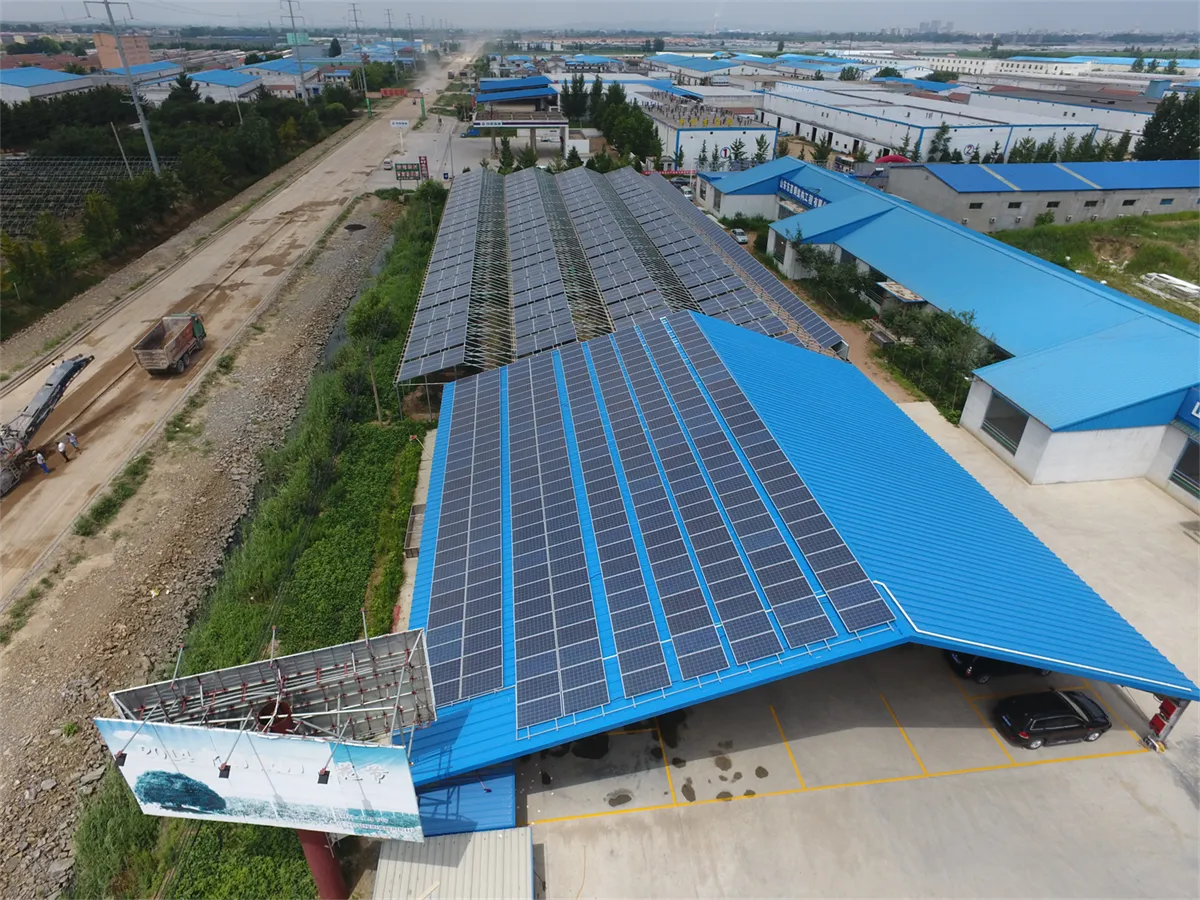
Distributed Solar Power Systems
Modern distributed solar power systems include monitoring software tracking individual panel performance. When paired with traditional inspections, they create early-alert systems—detecting subtle dips long before you'd notice.
Real-World Disaster Avoided:
In Arizona, routine scans detected a single cell hitting 312°F. Upon decommissioning, they found:
- Bird nests redirecting airflow
- Corroded connectors
- Four adjacent "zombie cells" operating at <50% efficiency
Catching this saved: $1,400 in annual losses + prevented roof fire risk.
Crafting Your Custom Inspection Rhythm
Consistency trumps intensity. Your schedule depends on:
Location Dictates Frequency
Sandy areas?
Monthly
dust checks.
Humid climates?
Bi-weekly
moisture seal scans.
Age Acceleration
Panels under 5 years:
Quarterly checks
Over 10 years:
Monthly vigilance
DIY vs. Professional Mix
Basic tools + DIY:
Every 6 Weeks
Full technician inspection:
Twice yearly
Seasonal Adjustments:
Spring
: Clean pollen buildup, check mounting stability after winter storms.
Summer
: Focus thermal scans around noon peak hours.
Fall
: Clear leaves, inspect seals before heavy rains.
Winter
: Remove snow gently, watch for ice-induced cracking.
Keep Calm & Detect On
Solar panels age gracefully when we help them. Hot spots aren't terrifying specters—they're manageable through simple, regular attention.
Think back to that first dental cleaning analogy. Pain avoidance starts early, before cavities erupt. So schedule that inspection now, grab your thermal gun or phone your technician, and reclaim your peace of mind along with peak energy production.
Your Turn: Mark next Saturday morning for:
- Visual scan at sunrise
- Thermometer spot-checks
- Monitoring software review
Your panels—and electric bills—will thank you.










