
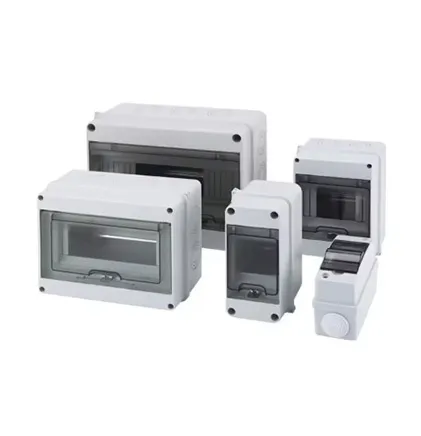
Hey there! If you're responsible for maintaining electrical systems, you know that distribution boxes are the unsung heroes of power management. These metal workhorses silently direct electricity throughout buildings day after day, year after year. But here's the thing—they can't take care of themselves. Neglect them, and you're inviting trouble: power outages, fire hazards, even dangerous electrocution risks.
Think of your distribution box like your car's engine. You wouldn't drive for years without changing the oil or checking fluid levels, right? Your electrical system deserves that same attention. When maintenance gets skipped, small issues grow into big headaches. We've all seen it—that weird burning smell in older buildings or the flickering lights that become "normal."
So let's roll up our sleeves together and run through everything that keeps these electrical nerve centers humming safely. This isn't about impressing engineers—it's about preventing real-world disasters that put people and property at risk.
Before we dive into the maintenance, let's appreciate what happens inside these metal boxes. Picture organized chaos behind that panel door:
These are your system's firefighters. When electrical traffic gets too heavy, they snap into action, cutting power before overheating wires become fire hazards. You know that satisfying click when a breaker trips? That's your safety guardian doing its job.
These metal conductors are like electrical freeways. They're typically copper or aluminum highways that route power from the main lines to individual circuits. Over time, they can loosen or corrode—a hidden danger waiting to spark trouble.
Think of these as the handshake points where wires meet. Each connection needs to be firm, like a solid handshake—no weak grips allowed! Loose ones cause arcing, that scary electrical sparking that can melt components or start fires.
Real Talk: We've all seen those dusty, neglected panels in basements or industrial sites. The ones covered in cobwebs with faded labeling. Those aren't just eyesores—they're accidents screaming to happen. Good maintenance transforms them from hazards into reliable power managers.
Okay, let's get practical. Here's your step-by-step guide to keeping distribution boxes safe and functional. Grab your flashlight and tools—we're going in!
Before touching anything, use your eyes. Look for:
Those vibrations you feel when a pump starts? Over months, they shake connections loose. Here's how to fix them:
That layer of dust inside? It's not harmless. It traps heat like a blanket and holds moisture against metal. Cleaning is straightforward:
Breakers can stick over time. Here's how to know yours still work:
Where there's electricity and water, there's danger. Control moisture with:
Electrical components shouldn't run hot—period. Check temperatures:
Some tasks need experts—no shame in that! Call electricians for:
Great maintenance starts with great habits. Try these practical tips:
Calendar It: Put quarterly checks in your phone's calendar—set repeating alerts so life doesn't make you forget.
Make a Visual Log: Tape a checklist inside each panel door—a simple chart for dates and initials.
Train Your Team: Show new people what to look for—make it a five-minute onboarding ritual.
Listen to Your Gut: That buzz? That odd smell? Never ignore them—investigate immediately.
Putting care into your distribution boxes pays back tenfold:
So next time you walk past that unassuming metal box, give it some love. Your building—and everyone in it—depends on what happens inside.
Recommend Products












