


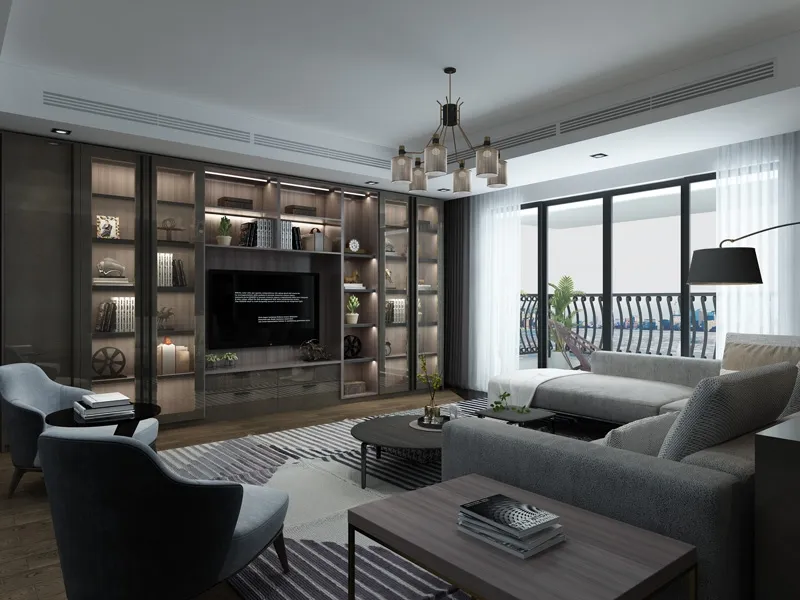
When we talk about living rooms, the TV cabinet holds a special place in our homes—it's both functional centerpiece and artistic statement. Yet how we design and use these essential furniture pieces varies dramatically depending on where you live. From New York apartments to Dubai villas, Tokyo studios to London townhouses, each region has developed its own distinct take on integrating entertainment systems into living spaces. These differences aren't just aesthetic whims; they’re reflections of deep cultural values, lifestyles, climate considerations, and historical traditions.
Whether you call it a media console, entertainment unit, or TV stand, this household staple tells fascinating stories about how we live. In North America, oversized sectionals meet sprawling units loaded with gaming equipment. Walk into European homes and you'll discover minimalist designs blending seamlessly with historic architecture. Middle Eastern households showcase ornate pieces reflecting regional craftsmanship, while Asia-Pacific's urban dwellings innovate with space-saving multifunctional solutions. Let’s explore what makes each region unique and why there's no one-size-fits-all approach to this essential piece of home furniture.
North America: Maximizing Comfort and Technology
American and Canadian homes typically embrace large-scale entertainment setups where the TV cabinet often serves as mission control. "Bigger is better" tends to be the unspoken rule, with sectional sofas positioned around oversized screens. The archetypal North American tv cabinet (note how naturally we include our required keyword here) tends to be wide and deep—think 70-inch+ units designed to accommodate multiple gaming consoles, streaming devices, soundbars, and media collections.
What you'll frequently see in suburban homes are rustic farmhouse styles featuring reclaimed wood and industrial metal accents, especially in regions like the Pacific Northwest and Texas. Yet coastal cities lean toward Mid-Century Modern designs with walnut veneers and tapered legs. A unique North American obsession? Built-in cable management systems. With the average household having 11 connected devices, hiding tangled wires isn't just practical—it's an emotional need!
Open floor plans mean TV cabinets frequently serve dual purposes as room dividers. Furniture that appears seamless from the back is increasingly popular. And let’s not forget the essential storage factor: baby boomers demand display space for photo frames and souvenirs, while millennials prioritize compartments for VR headsets and routers. From Miami condos to Vancouver townhouses, the common thread is prioritizing comfort and technology integration above all else.
Design DNA
• Oversized units (minimum 65" wide)
• Rich wood tones and industrial metals
• Hidden compartments galore
• Integrated cable management
• Adjustable shelving for tech upgrades
Regional Variations
Northeast:
Dark woods complementing historic homes
Southwest:
Textured finishes mimicking desert landscapes
Midwest:
Sturdy cabinet construction for durability
West Coast:
Sustainable materials and modern silhouettes
Europe: The Art of Minimalism and Integration
European approaches couldn't be more different. Walk into a Parisian apartment or Berlin loft and you’ll likely spot a TV setup designed to disappear. Northern Europeans particularly favor Scandinavian minimalism—units appearing to float on slender legs, often in pale oak or white finishes that visually expand cramped spaces. The Dutch and Belgians take functionality further with wall-mounted systems that eliminate bulky bases entirely.
Southern Europe presents fascinating contrasts. Tuscan villas often repurpose antique credenzas as media consoles, creating conversation-worthy clashes between Renaissance art and flat screens. Iberian Peninsula homes prefer units in richly stained woods with subtle Moorish-inspired carving. French designs display elegant brass details and slim profiles, proving restraint can be luxurious.
What unites European design? An aversion to entertainment systems dominating rooms. Built-in units blending with architectural features are increasingly common, especially in renovated lofts and centuries-old townhouses. German engineering shines through with integrated ventilation systems preventing electronics overheating in closed cabinets. And unlike North America, modular systems reign supreme—stackable units that evolve with families over time rather than being discarded.
Middle East: Ornate Craftsmanship Meets Hospitality
Middle Eastern design philosophy revolves around hospitality, and TV cabinets embody this beautifully. You won't find minimalist Danish designs here—instead, expect intricate craftsmanship and bold statements. Gold leaf accents, mother-of-pearl inlays, geometric Islamic patterns, and rich upholstered details turn media consoles into art pieces across Gulf nations and Levant homes.
Saudi and Emirati residences often feature modular units designed around visiting culture. Central cabinets may hold electronics, while extended wings transform into serving areas for Arabic coffee and dates during gatherings. Materials reflect regional pride: Moroccan cedar, Egyptian sycamore, Omani marble inlays. Climate plays a critical role too—higher plinths prevent damage from carpet cleaning and humidity, while ventilation slots accommodate electronics working hard against 50°C summer heat.
Iranian and Lebanese interpretations incorporate Persian motifs and mosaic details. Turkish designs feature intricate metalwork and ceramic elements reflecting Ottoman heritage. One fascinating trend from Dubai to Riyadh: console units housing mini-refrigerators for drinks—a brilliant solution considering guests might watch entire football matches together!
Asia-Pacific: Innovation and Multifunctional Space Savers
Space constraints drive extraordinary innovation throughout Asia-Pacific cities. Japanese designs redefine efficiency with rotating panels that hide TVs completely when not in use. Hong Kong micro-apartments feature ceiling-drop units with hydraulic lifts. Korean manufacturers engineer cabinets doubling as air purifiers, while Singapore's designs incorporate hidden planters that improve indoor air quality.
Materials reveal environmental consciousness across the region. Bamboo composites dominate in Bali's resort-like homes. Australian designs increasingly feature Jarrah or Tasmanian oak demonstrating sustainability priorities. Chinese manufacturers blend high-gloss finishes with traditional ink painting elements—look closely at many Shanghai apartments' units and you'll spot subtle mountain range silhouettes.
Tech integration reaches new heights here. Indian designs include units with wireless charging pads and Bluetooth speakers designed for extended families gathering for cricket matches. Filipino balikbayan boxes ship cabinet units transforming into temporary guest beds—a brilliant adaptation for families hosting relatives for months. The entire region embraces transformable furniture that morphs to accommodate working, entertaining, relaxing, and even exercising in compact urban dwellings.
Materials Matter
Middle East:
Dark woods with metallic inlays
Japan:
Lightweight engineered composites
SE Asia:
Sustainably harvested tropical hardwoods
Australia:
Native eucalyptus and reclaimed timbers
India:
Hand-carved rosewood and brass details
Tech Innovation Leaders
South Korea:
AI climate-controlled units
Singapore:
Vertical gardens integrated with consoles
China:
Units doubling as smart home hubs
Australia:
Solar-powered cooling systems
Japan:
Transparent OLED screen cabinets
Global Threads and Future Trends
Despite regional differences, certain unifying trends emerge worldwide. Sustainable materials like bamboo composites and recycled metals are gaining ground from Toronto to Taipei. Concealment is increasingly universal—even ornate Middle Eastern units feature innovative folding doors hiding technological clutter. Height-adjustable bases accommodating standing viewing positions appear globally as wellness consciousness grows.
The future looks fascinating. We're seeing holographic interfaces eliminating screens altogether in prototype Asian designs. Self-cooling systems using geothermal principles are emerging in Scandinavian test homes. Augmented reality features letting units transform visually are in development from Silicon Valley to Shenzhen labs. But perhaps the most promising development? Modular systems designed for disassembly and reassembly across continents—ideal for our mobile global society.
Your entertainment setup reveals more about your cultural roots and priorities than you might imagine. That cabinet you lean your feet on during movie night? It's a storyteller whispering tales about what your society values—family togetherness, technological progress, artistic tradition, spatial efficiency, or natural harmony. Next time you browse furniture stores or rearrange your living room, remember you're participating in a fascinating global conversation about how we live—one media console at a time.










