
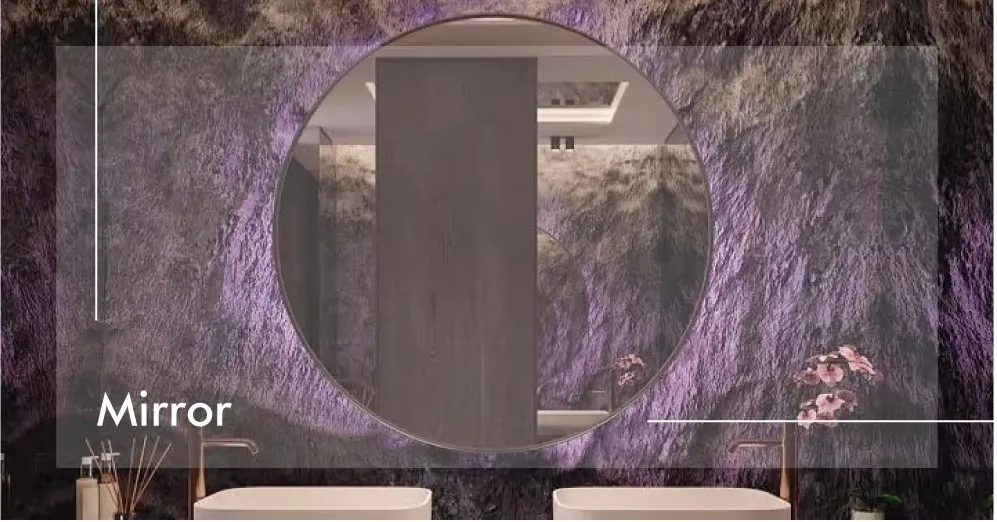
Ever walked into your bathroom and felt like it needed some... well, more oomph? That's exactly where smart vanity tops are changing the game. We're talking bathroom counters that double as tech hubs - with LED mood lighting you can tweak for your morning routine or late-night wind-down, touch-sensitive controls that make you feel like a wizard, and speakers that let you jam out to podcasts while brushing your teeth. But here's the kicker: whether this tech actually catches on depends a whole lot on where you live.
Across different cities, countries, and cultures, people have surprisingly different takes on what makes a "dream bathroom." Some care deeply about water efficiency, others care about fancy tech, and lots of folks just want something that won't give them headaches during Monday morning prep. In this research, we'll unpack how geographical location, cultural expectations, and lifestyle differences shape the way people actually feel about these futuristic bathroom setups. Because hey, what flies in London might flop in Tokyo, and what seems obvious in Miami could get confused looks in Munich.
These aren't your grandma's foggy mirrors. We're talking cool-to-warm lighting adjustments that fix terrible morning lighting situations. Got raccoon eyes from staying up too late? Crank up the brightness. Prepping for date night? Tone it down to mood-lit vibes. Many have anti-fog coatings and memory settings, so it remembers how washed out you look after a shower.
The days of slimy soap-fingers trying to navigate buttons are fading. Now you lightly tap surfaces to wake the system, swipe to adjust lighting, and long-press for specialty modes. Waterproof interfaces with tactile feedback mean you're not accidentally blasting heavy metal while trying to turn on your shower.
Finally! Something that stops your phone from taking a bath while you jam out. These systems are often paired with shockingly decent acoustics tuned for small spaces. Voice assistant compatibility means you can ask Alexa what the weather is outside while brushing, or have Google remind you about that dentist appointment.
Here's a dirty little industry secret though: not all "waterproof" seals are created equal. Cheaper models might get finicky when actual humidity hits them. Do your homework before taking the plunge.
In the US and Canada, bigger is almost always seen as better. Sprawling double-sink setups with Hollywood lighting effects are hot sellers, especially in newer homes. Bluetooth's a major sell here - think news updates while shaving or tunes during spa nights. Waterproofing matters because North Americans tend to treat bathrooms like wet rooms. Price sensitivity kicks in though—people complain if the voice assistant feels "laggy."
"Our Vegas show-home clients actually request DJ stations in their vanity setups," admits Sarah K., luxury bathroom designer. "They care less about waterproof ratings than whether it syncs with their Sonos system."
Folks here tend to prefer simpler designs with elegant interfaces. German shoppers especially obsess over energy efficiency certifications. Nordic buyers? They love the sunrise-simulating LED features during gloomy winter mornings. French and Italian customers prioritize sleek materials that don't scream "tech gadget." Bluetooth use cases tend toward podcasts and calming nature sounds. But watch out—complicated interfaces get abandoned quick here.
"The British are delightfully skeptical," notes Paul M., UK-based tech distributor. "They'll ask about longevity and repairability before anything else. If the touch-control stops working three years in, they feel tricked."
Japanese consumers love integrated gadgets—especially space-saving ones in smaller apartments. Anti-fog features sell hard. South Koreans geek out on app connectivity and AI features like skin analysis. Interestingly, Bluetooth matters less here—people prefer in-bathroom speakers wired to their home systems. Mainland Chinese shoppers love luxe finishes but worry about sound leaking to neighbors. Smart showers and lighting integration are huge pluses.
"We added a 'morning efficiency' mode that activates everything at once—lights, audio preferences, water heating—and that's become our top seller in Seoul," shares tech developer Ji-hoon L.
Here, climate matters a ton. Aussies need robust gear that handles high humidity, salt air near coasts, and summer heat. Outdoor-adjacent bathrooms are common, so durable Bluetooth speakers get points. Kiwis balance tech with eco-concerns—energy monitoring features are big winners. Voice assistants get used for weather reports before beach trips or surf forecasts.
"We got complaints when touch-controls became slippery with sunscreen fingers," laughs Sydney retailer Tom W. "Redesigned the sensor placements because beach-house buyers kept accidentally activating disco lights."
Nobody likes gadgets that conk out in humidity or melt in heat. Coastal buyers especially need gear that laughs at salt spray. Scandinavian customers care about whether LED warmth offsets dreary weather.
Apartment-dense cities like Tokyo or Berlin need features that prevent Bluetooth tunes from invading neighbors' space. Voice assistants get limited use in shared-wall homes.
Morning routines vary wildly. Quick-groomers want simple presets. Nighttime relaxers need mood settings. Families appreciate child-locks on fancy controls.
Crucially, the most successful products offer integrated bathroom solutions that adapt to local realities rather than force one-size-fits-all setups.
Plumbers aren't necessarily tech wizards. "I've had to undo perfectly good pipework because smart systems required rewiring," grouses Vancouver contractor Miguel R. DIY horror stories plague these products—think speakers that cut out every time someone flushes a toilet.
Consumers everywhere worry about "planned obsolescence" in tech-heavy fixtures. Replacement parts availability matters big-time when you're dealing with integrated bathroom solutions. Can you just swap a faulty touch panel? Do you need a whole new counter?
Nothing kills joy like touch controls that glitch with damp fingers. Some European models overcomplicate things with layers of menus just to change lighting colors. Elderly buyers especially crave simple, obvious interactions.
Bottom line? Customers will forgive some tech hiccups if everything else works flawlessly. But if they need to keep drying their hands to adjust the mirror brightness, it's going back.
Based on global feedback, we're likely seeing:
"The regional factor isn't going away," summarizes industry analyst Tanya P. "Manufacturers that bake geographical awareness into their products—not as afterthoughts—will own this space."
Ultimately, no matter how cool the tech seems in brochures, these vanity tops live in homes—with specific climates, cultural habits, and practical concerns. Smart manufacturers get this. They're learning that Bluetooth matters less in Seoul than space-saving, that waterproofing tests really need to prove themselves in humid zones, and that European clients care deeply about repair-friendly designs.
Success isn't about stuffing every gadget possible onto a countertop. It's about creating integrated bathroom solutions that subtly improve everyday rituals while respecting local constraints—whether that's noise issues in packed cities, humidity in tropical areas, or eco-anxieties in sustainable markets. When done right, these smart vanity tops feel less like sci-fi prototypes and more like natural additions to daily life. And that's where the real magic happens.
Recommend Products












