


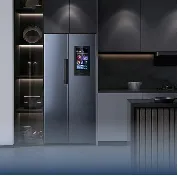
Have you ever opened your fridge to find wilted greens, dried-out cheese, or frostbitten berries? You're not alone. What most folks don't realize is that not all refrigerator spaces are created equal—different foods demand different environments. That's where variable temperature chambers and fresh-keeping drawers come in as true kitchen game-changers. These aren't just fancy compartments; they're precision-engineered microclimates transforming how we preserve flavor, texture, and nutrients.
Modern refrigerators have evolved from simple cold boxes to sophisticated food preservation systems. The magic happens through innovations in airflow dynamics, humidity control, and temperature zoning—technologies that help us prevent the all-too-common tragedy of wasted groceries and compromised flavors.
Why One-Size-Fits-All Refrigeration Doesn't Work
Here's the cold hard truth: your lettuce has completely different needs than your steak. Leafy greens thrive in high-humidity environments around 40°F (4°C), while meats demand near-freezing zones between 28-32°F (-2-0°C) to inhibit bacterial growth without freezing. Delicate herbs oxidize quickly in dry air, and tropical fruits like bananas actually suffer damage below 50°F (10°C). Conventional refrigerators maintain a single average temperature, forcing all your food into compromised storage conditions.
Technology Deep Dive: Precision Preservation Systems
Multi-Airflow Systems
Unlike traditional fridge designs that blast cold air from a single vent, premium models like Samsung's Twin Cooling Plus use separate cooling systems for refrigerator and freezer compartments. This prevents flavor transfer while maintaining precise humidity levels—garlic won't make your butter taste pungent!
Ethylene Absorption Technology
Ever noticed how one bad apple spoils the bunch? Fruits release ethylene gas that accelerates ripening and decay. Modern crispers incorporate specialized filters like Whirlpool's FreshFlow that chemically absorb this gas. Vegetables stay crisp 2-3 times longer than in conventional bins.
Hydraulic Hinges & Door Seals
LG's premium Door-in-Door systems dramatically reduce cold air loss with dual-gasket seals and soft-close mechanisms. This avoids temperature fluctuations that cause crystallization in dairy products and condensation on produce.
Ingredients Meet Technology: Your Food Storage Guide
- Leafy Greens : 90-95% humidity at 39°F (4°C) in sealed crisper drawers prevents wilting and oxidation. GE's Humidity-Controlled Harvest Keeper maintains these conditions automatically.
- Animal Proteins : Use variable temp chambers set to 30°F (-1°C), just above freezing. LG's FreshBalancer drawer extends raw meat freshness by 40% compared to conventional shelves.
- Artisan Cheeses : Store in medium-humidity (70-75%) zones around 45°F (7°C). Samsung's FlexZone drawer maintains this "cheese cave" environment.
- Tropical Fruits : Unlike apples or berries, bananas and pineapples need warmer 55°F (13°C) zones to prevent "chill injury." Store these in adjustable temperature drawers.
- Herbs & Flowers : Place in mini humidity-controlled compartments like Bosch's VitaFreshPro drawer with misting function.
Avoid the common mistake of washing produce before refrigeration. Surface moisture accelerates decomposition—always store greens unwashed. For maximum freshness in your new fresh-keeping drawers, wrap cheeses in speciality paper instead of plastic wrap, and store mushrooms in paper bags.
Consumer Impact: Beyond Food Preservation
These technologies deliver tangible benefits beyond just keeping food fresh:
- Economic Savings : Average households waste $1,500+ annually on spoiled food. Properly stored groceries last 30-70% longer.
- Flavor Preservation : Tomatoes retain their volatile aroma compounds better in humidity-controlled environments, while herbs maintain essential oils that provide their signature punch.
- Nutrient Retention : Studies show spinach stored at optimal conditions retains 90% of vitamin C after 7 days versus just 40% in conventional refrigerators.
- Meal Planning Flexibility :** Buy larger quantities when on sale without worrying about spoilage—perfect for busy families.
When integrating these appliances into your kitchen, consider how they complement high-quality building materials and design elements that define a modern culinary space. True kitchen excellence blends aesthetics with intelligent functionality—something we'll explore more in upcoming features.
Looking Ahead: The Future of Food Preservation
Next-gen refrigerators are incorporating predictive freshness tech using internal cameras and AI that track food items' freshness state. You'll receive phone alerts when your kale approaches its expiration date! Emerging UV-C light sterilization actively kills microbes without chemicals, while modular drawer systems allow completely customized humidity zones for growing and fermenting foods right in your fridge.
These innovations represent more than just convenience—they're fundamentally changing our relationship with food. When you can trust ingredients to stay fresh longer, you cook more adventurously, reduce waste significantly, and transform kitchen stress into culinary creativity. Your next refrigerator isn't just an appliance; it's the foundation for a fresher, more flavorful life.










