
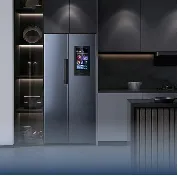
Ever stop to think about your fridge beyond where you'll stash last night's pizza? Your refrigerator is way more than just a cold box - it's a silent hero protecting your family's health 24/7. From preventing food poisoning to saving energy, modern fridges come packed with clever safety tech most people never notice. And in the world of built-in kitchen devices like these, understanding how they safeguard your home matters more than ever.
Think your fridge keeps one consistent temperature? Think again! Fridges are actually temperature mosaics with hot and cold spots. This smart design isn't accidental - it's a carefully engineered safety system protecting different foods in different ways:
| Zone | Temperature Range | Safety Function |
|---|---|---|
| Top Shelves | 36°F - 40°F (2°C - 4°C) | Prevents bacterial growth in ready-to-eat foods |
| Middle Shelves | 34°F - 38°F (1°C - 3°C) | Maintains dairy at bacteria-fighting temps |
| Bottom Shelves | 32°F - 36°F (0°C - 2°C) | Colder temps prevent raw meat cross-contamination |
| Crisper Drawers | 34°F (1°C) | Humidity control keeps produce fresh longer |
Safety Tip: That digital thermometer inside isn't just a gadget! Bacteria start multiplying rapidly above 40°F. Checking temperatures weekly prevents your fridge from becoming a bacterial playground.
Here's where your fridge gets really clever - each compartment has specialized safety tech hiding in plain sight:
| Zone | Safety Feature | Why It Matters |
|---|---|---|
| Meat & Fish Drawers | Non-porous antibacterial lining | Stops bacteria from seeping into plastic |
| Dairy Compartments | Tempered glass shelves | Prevents glass shatter contamination in spills |
| Door Bins | Sturdy snap locks | Keeps heavy bottles secure during opening/closing |
| Crispers | Adjustable humidity vents | Prevents mold and moisture-related bacteria |
Today's refrigerators have safety intelligence we couldn't imagine a decade ago. Some mind-blowing protective features include:
Emergency Alert Systems: Forgot to close the door properly? Smart fridges will ping your phone if temperatures rise dangerously or doors stay open beyond safe limits.
Flood Prevention Tech: Ice-maker leaks are common causes of kitchen flooding. Newer models have automatic water shutoff valves that activate at the first sign of moisture where it shouldn't be.
Child Safety Locks: Beyond just the freezer lock, advanced models have full-access locking systems preventing kids from accessing medications or alcohol stored in fridge doors.
Pro Tip: If your fridge has a water dispenser, regularly change the filter! Standing water in reservoirs can breed legionella bacteria. Manufacturers recommend every 6 months for optimal safety.
Your fridge can't keep you safe if you neglect its needs. Regular TLC isn't just about efficiency - it's critical for preventing hazards:
| Task | Frequency | Safety Benefit |
|---|---|---|
| Coil Cleaning | Every 3 months | Prevents overheating & fire hazards |
| Door Seal Check | Monthly | Ensures proper temps and prevents mold |
| Full Deep Clean | Quarterly | Removes bacteria-harboring spills |
| Filter Changes | As recommended | Keeps water/air pure and clean |
Fun fact: Those mystery spills at the back of shelves? They're not just gross - they can corrode components and create fire risks over time. Your quarterly scrub-down is literally saving your kitchen!
During storms or blackouts, your fridge becomes a critical food safety zone. Here's how to maximize protection when the power goes down:
Pre-Outage Prep: Freeze water containers to create ice blocks that help maintain cold temperatures longer during outages.
The 4-Hour Rule: Refrigerated food stays safe for about 4 hours if doors remain closed. After that, dangerous bacteria can multiply rapidly.
Thermometer Check: Never trust appearance or smell! Verify fridge temp stays below 40°F before consuming anything perishable after an outage.
Where you put foods matters more than you might think for safety:
| Food Type | Safest Zone | Why Placement Matters |
|---|---|---|
| Raw Meat | Bottom Shelf | Prevents juices dripping on other foods |
| Dairy | Middle Shelf | Most consistent temperature zone |
| Leafy Greens | High Humidity Crisper | Prevents wilting where bacteria thrive |
| Leftovers | Top Shelf Front | Easier visibility prevents forgotten spoilage |
Refrigerators occasionally have safety recalls - often for fire or electrical hazards. Always:
1. Register new appliances immediately
2. Respond promptly to recall notices
3. Check current recall lists annually at Recalls.gov
Modern refrigerators protect both your family and the planet through:
Flammable Refrigerant Reduction: Newer models use R-600a (isobutane) instead of older flammable coolants, significantly reducing fire risk.
Automatic Defrost Systems: Eliminate the dangerous ice build-up that once caused freezer compartment cracking hazards.
LED Lighting: Prevents fire risks associated with hot incandescent bulbs near plastic components.
Cool Fact: That mild chemical smell when you open a new fridge? It's the fire-retardant cabinet coating curing - your first sign that safety was built in from day one!
Putting safety first requires simple habits:
Monthly temperature checks with an independent thermometer
Quarterly coil vacuuming to prevent overheating
Immediate cleanup of spills to prevent bacterial growth
Annual seal replacement when cracks appear
Listening for unusual sounds that indicate component stress
Remember, your refrigerator works tirelessly to protect your family. Taking 15 minutes monthly to understand its safety features is the smartest investment you'll make in your kitchen's well-being. Those hidden technologies? They're not just cool features - they're edible armor against foodborne illness and household hazards!
Recommend Products












