
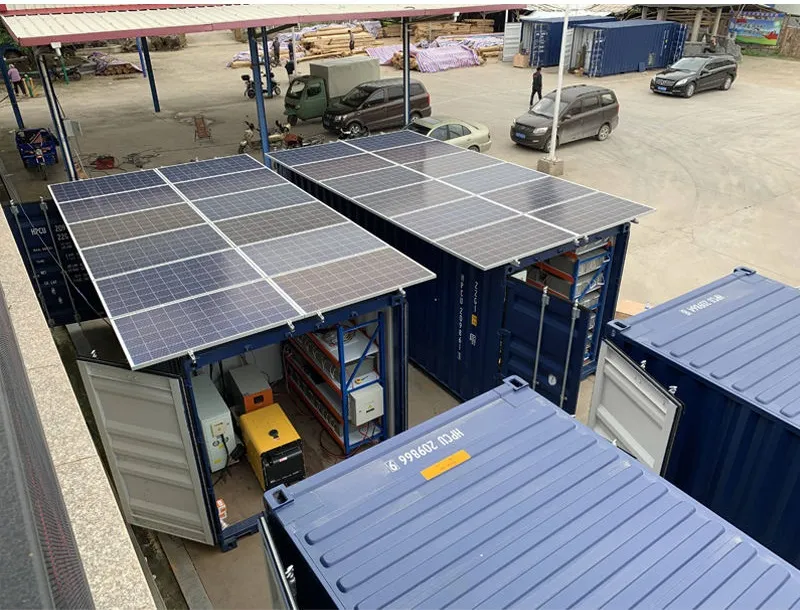
Picture this: you've invested in solar panels hoping to slash your energy bills, but they're just not delivering the punch you expected. What if I told you there's a simple, affordable trick that could squeeze 10-20% more power from those same panels? Enter reflective film technology – solar energy's underrated hero that's been quietly revolutionizing how we capture sunlight.
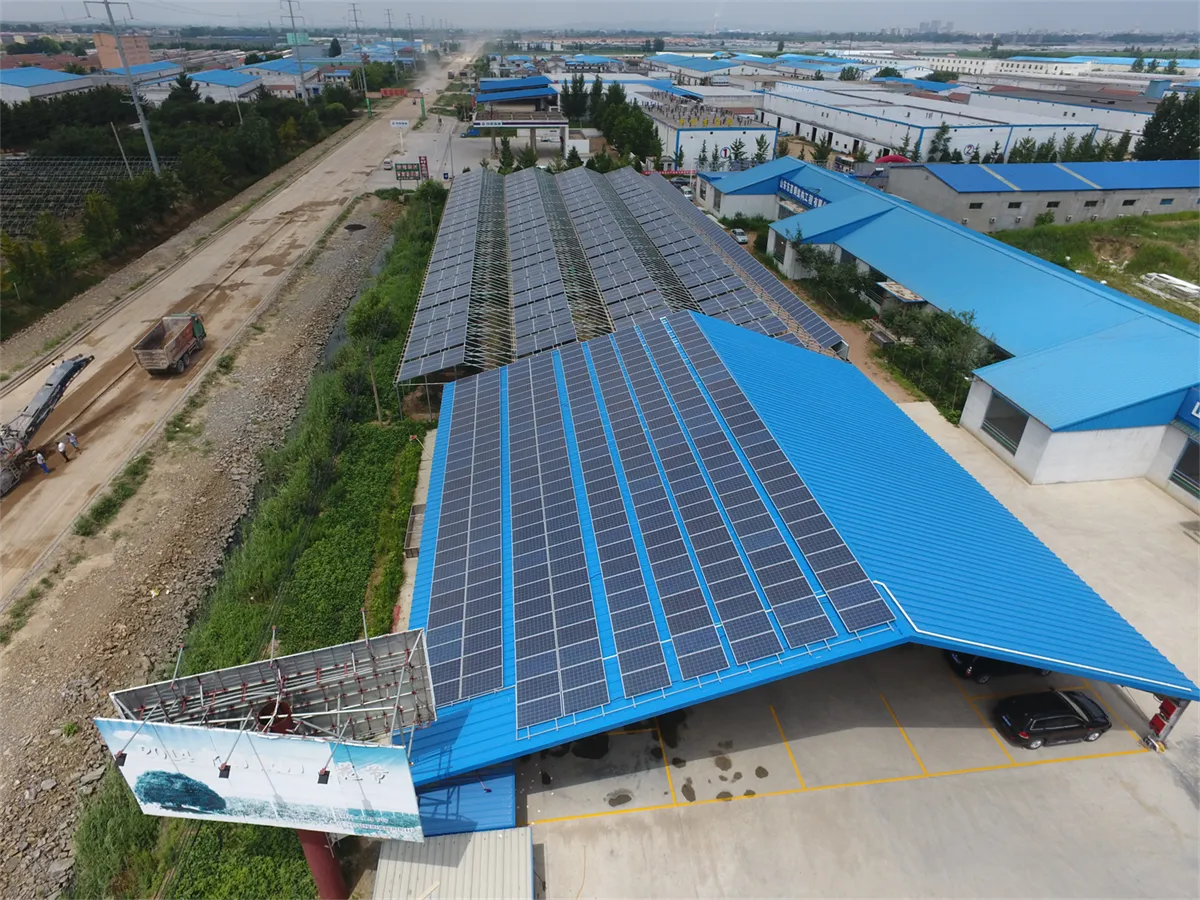
In Greece, solar farms using white reflective film saw a 6.4% power boost in just one year. But in China's controlled tests? Get this – reflective film pushed efficiency gains past 20% compared to traditional setups. That's like getting free extra panels without the installation headaches or costs!
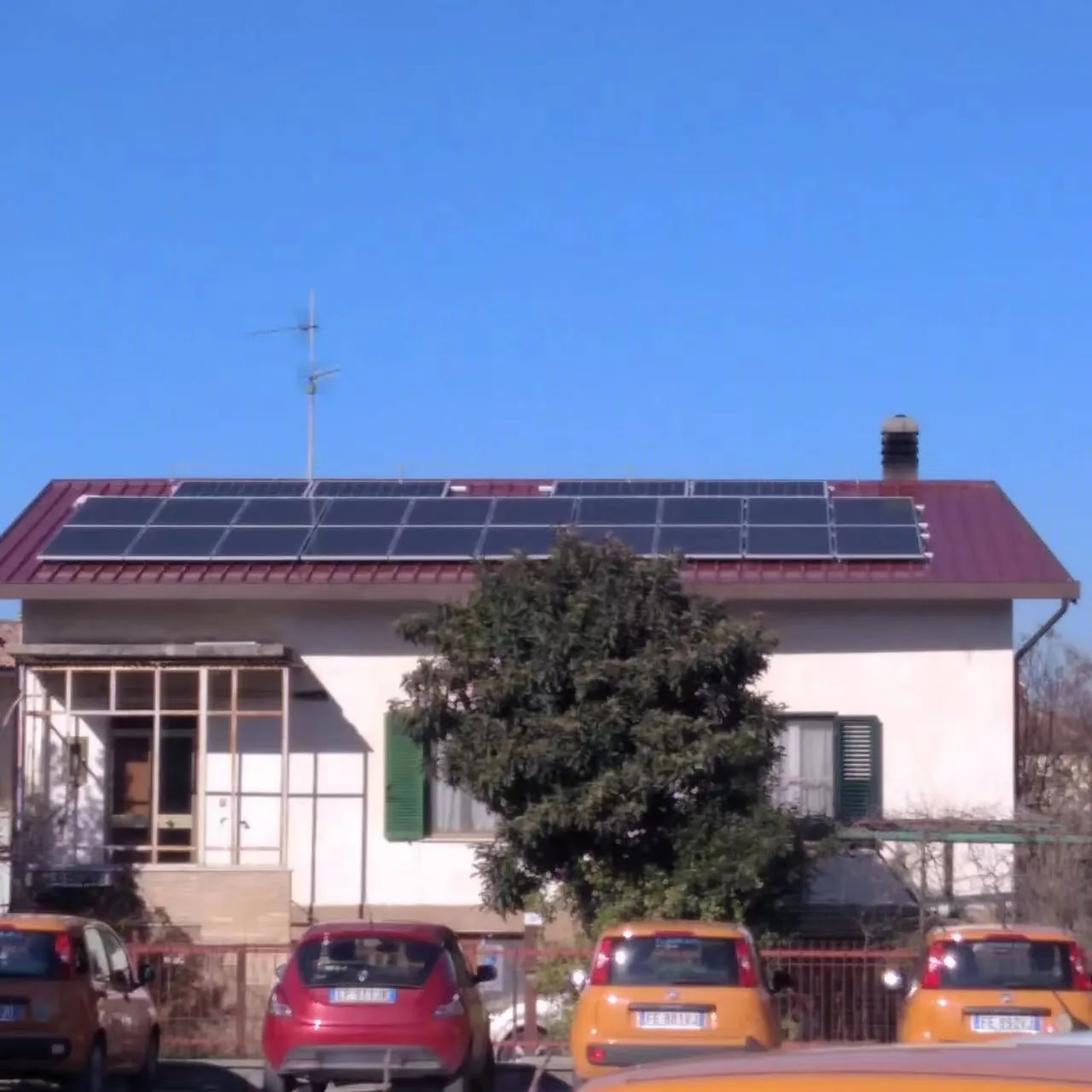
Reflective film works like your home's sunlight – bouncing rays onto panels that would've otherwise missed their target. It's especially clever for residential setups where space is limited. Instead of adding more panels to your roof, you amplify what you already have. Think of it as a sunlight multiplier for your existing investment.
The magic happens through some surprisingly straightforward physics. Traditional solar setups waste all that gorgeous sunlight hitting between panels or bouncing off the ground. Reflective film captures those stray photons and redirects them toward the panel backs.
It's not just about more light – it's about smarter light. Films can be engineered to handle:
Remember how double-sided solar panels seemed revolutionary? Reflective film makes standard panels behave like premium bifacial units. And the cost difference? A fraction of upgrading your entire system.
Let's talk cash. That 10-20% efficiency boost translates directly to:
For a typical 5kW home system, reflective film could generate an extra 700-1,400 kWh annually. At average electricity rates? That's $70-$140/year straight into your pocket. Payback periods often clock in under 3 years.
Now compare that to alternatives:
The beauty? You're leveraging your existing infrastructure – no rewiring, no permit headaches, no structural reinforcements.
For homeowners considering this upgrade:
Positioning is everything. Ground-mounted systems see better returns than rooftop installations since you control the base layer. Optimal film placement depends on:
Urban dwellers take note: reflective film is a game-changer when buildings create partial shading. Strategic placement can compensate for up to 30% shading losses.
Maintenance is refreshingly simple – occasional rinsing prevents dust buildup. Modern films (especially rigid PVC solutions used in desert environments) withstand brutal UV exposure and extreme temperatures while maintaining reflectance for 3-5 years.
Here's what most solar discussions miss: efficiency gains are environmental gains. Boosting output by 20% means:
Newer films avoid toxic materials and heavy metals – many use aluminum or mineral-based coatings. Their manufacturing footprint is tiny compared to producing extra panels.
What started as makeshift solutions (like aluminum foil bonded with asphalt in early Chinese experiments) has evolved into precision-engineered systems:
Today's R&D focuses on self-cleaning films – imagine surfaces that repel dust like a lotus leaf! Others explore wavelength-selective reflection that discards useless infrared heat while capturing valuable visible light.
As building materials continue to advance, integrating reflective technology directly into roofing materials or urban infrastructure could create passive solar amplification everywhere. Imagine sidewalks, parking lots, or exterior wall siding doubling as solar boosters!
Will this work with my existing panels?
Absolutely! Works with all standard PV systems. No compatibility issues - it's an add-on solution.
What about maintenance? Does dust ruin it?
Like panels themselves, performance dips if surfaces get dirty. Easy fix: hose it down quarterly. In sandy areas, textured films resist dust accumulation better.
Can I combine this with other upgrades?
Definitely! Pair it with sun-tracking systems and quality inverters for multiplicative gains. Just ensure no new shading issues.
Is this a DIY project?
Small residential setups? Possibly. But for optimal results, especially with complex angles or utility-scale? Worth hiring solar pros.
Reflective film isn't some futuristic tech – it's practical science you can implement today. Whether you're a homeowner wanting better ROI or an eco-warrior maximizing every watt, this technology delivers tangible benefits.
Measure your setup: Calculate how much ground space you have around panels.
Get localized advice: Solar installers can model expected gains for your exact location.
Start small: Test on one panel array before full rollout.
Maintenance matters: Schedule light cleanings like you would panel washes.
In solar innovation where minor efficiency improvements take years of research, reflective film delivers massive gains through elegance. By redirecting what we already have rather than reinventing capture, we get the most economical and environmentally sound power boost available today.
(Article includes keyword: "exterior wall siding" as mentioned in the context of future solar integration opportunities)
Recommend Products












