
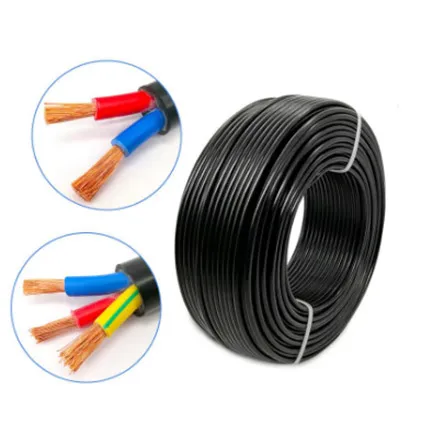
Walk into any industrial construction site—whether it's a sprawling manufacturing plant in Riyadh, a high-tech logistics hub in Jeddah, or a state-of-the-art hospital in Dammam—and you'll quickly spot the unsung workhorses keeping everything moving: electrical cables. Not just any cables, though. Look closer, and you'll notice a pattern of red, yellow, and white wires snaking through walls, ceilings, and machinery, each color carrying a critical role in powering the project. These aren't just wires; they're the circulatory system of modern industrial spaces, and when it comes to reliability, durability, and safety, not all cables are created equal. That's where specialized solutions like Coloria's red yellow white electrical cables come into play—designed to meet the unique demands of industrial projects, from extreme temperatures to heavy-duty usage, and backed by decades of expertise in the Middle Eastern market.
First things first: why these three colors? If you've ever wondered why electrical cables come in a rainbow of hues, the answer is simple—safety. In the world of industrial electrical systems, color coding isn't just a design choice; it's a universal language that prevents accidents, simplifies maintenance, and ensures compliance with global standards. Let's break down what each color means in the context of industrial cables:
Red cables are typically used for live wires, carrying current from the power source to machinery, lighting, or equipment. In industrial settings, where voltage levels can be significantly higher than residential spaces, a bright red sheath acts as a visual warning: "Handle with care—this wire is live."
Yellow often marks the neutral wire, completing the electrical circuit by carrying current back to the source. Think of it as the "return path" for electricity, ensuring that energy flows smoothly without overloads. In industrial projects, where circuits are complex and interconnected, a distinct yellow color makes it easy for electricians to trace and troubleshoot connections.
White is commonly used for ground wires or control circuits, acting as a safety buffer. If there's a fault—say, a live wire touches a metal frame—the white ground wire diverts the current away from people and equipment, preventing shocks or fires. In high-risk environments like factories or oil refineries, this extra layer of protection isn't just helpful; it's life-saving.
Together, these three colors create a system that's intuitive for engineers, electricians, and maintenance crews alike. But here's the catch: in regions like the Middle East, where industrial projects often face extreme conditions—scorching temperatures, high humidity, and even sandstorms—standard color-coded cables might not cut it. That's where durability becomes just as important as color coding.
When you're building a facility that needs to operate 24/7, withstand 50°C summers, and last for decades, the quality of your electrical cables directly impacts the project's success. Coloria's red yellow white electrical cables aren't just compliant with safety standards—they're engineered to thrive in tough environments. Let's dive into the features that set them apart:
Anyone who's spent a summer in Riyadh knows that temperatures can soar above 45°C, and that heat doesn't just stay outside. Inside industrial buildings—especially those with heavy machinery—ambient temperatures can climb even higher. Standard PVC cables might start to degrade under such conditions, leading to cracks in the sheath, exposed wires, and increased fire risk. Coloria's cables, however, use a specialized thermoset insulation material that remains stable up to 125°C, ensuring they don't melt, warp, or lose conductivity even in the hottest environments.
Industrial sites aren't just hot—they're often dusty, humid, or exposed to chemicals. In manufacturing plants, for example, cables might come into contact with oils, solvents, or cleaning agents. In coastal areas like Jeddah or Dammam, saltwater air can corrosion. Coloria's cables feature a double-layered sheath: an inner layer of cross-linked polyethylene (XLPE) for electrical insulation and an outer layer of chlorinated polyethylene (CPE) that resists oils, acids, and salt. This dual protection means the cables stay intact, even in harsh chemical or coastal environments.
Industrial construction isn't gentle on cables. They're pulled through tight conduits, stepped on by workers, and sometimes even accidentally struck by tools. A weak cable might tear or break under this pressure, causing costly downtime. Coloria's red yellow white cables are reinforced with a galvanized steel armor layer, adding tensile strength and impact resistance. This armor doesn't just protect the wires inside; it also makes the cables easier to install in rough conditions—no need to worry about snags or cuts during the wiring process.
In industrial settings, where flammable materials or gases might be present, fire safety is non-negotiable. Coloria's cables are rated for flame retardancy, meaning they self-extinguish if exposed to fire, preventing the spread of flames. This isn't just a "nice-to-have"—it's a requirement for compliance with Saudi Arabian safety regulations, such as the National Fire Protection Association (NFPA) standards, which are strictly enforced in major projects.
| Feature | Coloria Red/Yellow/White Cables | Standard Industrial Cables |
|---|---|---|
| Max Operating Temperature | 125°C | 70-90°C |
| Sheath Material | XLPE + CPE (dual-layer) | Single-layer PVC |
| Flame Rating | UL94 V-0 (self-extinguishing) | UL94 V-2 (may drip flaming particles) |
| Mechanical Strength | Galvanized steel armor | No armor (PVC only) |
| Chemical Resistance | Resistant to oils, acids, saltwater | Limited resistance (PVC degrades in chemicals) |
Now that we know what makes these cables durable, let's talk about where they're actually used. Saudi Arabia's industrial sector is booming, driven by the country's Vision 2030 goals to diversify the economy beyond oil. From manufacturing to healthcare, logistics to construction, red yellow white electrical cables are a staple in projects that demand reliability. Here are a few key sectors where Coloria's cables have made a difference:
Factories producing everything from automotive parts to consumer goods rely on constant, uninterrupted power. Imagine a production line where a single cable failure could halt operations, costing thousands of riyals per hour. Coloria's cables, with their heat resistance and mechanical strength, are designed to handle the high current loads of heavy machinery, ensuring that conveyor belts, assembly robots, and packaging equipment run smoothly—even during the hottest Saudi summers.
Hospitals and clinics can't afford power outages, especially in critical areas like operating rooms, ICUs, or diagnostic labs. Red yellow white cables are used here to connect life-saving equipment, such as MRI machines, ventilators, and patient monitors. The flame-retardant sheath and safety color coding are particularly important in healthcare settings, where fire safety and quick maintenance (during emergencies) can literally save lives.
Modern logistics hubs, like those supporting Saudi Arabia's growing e-commerce sector, are filled with automated systems—conveyor belts, sorting machines, and climate control units. These systems require precise, reliable power distribution, and Coloria's cables, with their flexible design, can be routed through tight spaces and around machinery without losing performance. Plus, their resistance to dust and humidity ensures they hold up in large, open warehouses where environmental control is challenging.
As Saudi Arabia pushes toward its "2030 Vision" sustainability goals, renewable energy projects—such as solar farms and wind turbines—are on the rise. These projects often involve outdoor electrical systems exposed to extreme weather. Coloria's red yellow white cables, with their UV-resistant sheaths and corrosion protection, are ideal for connecting solar panels to inverters or wind turbines to grid systems, ensuring that clean energy flows efficiently even in desert conditions.
At this point, you might be thinking, "Okay, these cables sound tough—but so do other brands. What makes Coloria different?" The answer lies in something bigger than the cables themselves: Coloria isn't just a cables supplier ; we're a one-stop architectural solution provider with deep roots in the Middle Eastern market. Here's why that matters for your industrial project:
With a dedicated agency in Saudi Arabia and decades of experience in the region, we understand the unique challenges of industrial projects here. We know that a cable that works in Europe might fail in Saudi's heat, or that a project in Riyadh has different regulatory needs than one in Jubail. Our team includes local engineers and technicians who speak the language (both literally and figuratively) of Saudi construction—from navigating government permits to understanding the nuances of local safety codes. This means no surprises, no delays, and solutions that are tailored to your project's specific location.
Industrial projects don't just need cables—they need a complete electrical system. That's why, as an electrical fixtures & cables supplier , we offer more than just red yellow white wires. From distribution boxes to switches, circuit breakers to industrial lighting, we provide everything you need to build a cohesive, efficient electrical network. This "one-stop shop" approach saves you time and hassle: instead of coordinating with multiple suppliers, you can source all your electrical needs from a single partner, ensuring compatibility and reducing the risk of delays due to mismatched parts.
Saudi Arabia's Vision 2030 isn't just about economic growth—it's about sustainable growth. That's why our red yellow white cables are designed with the environment in mind. We use lead-free materials, recyclable sheaths, and energy-efficient manufacturing processes to reduce our carbon footprint. For clients aiming to meet green building standards (like LEED or Estidama), this commitment to sustainability can help earn certification points, making your project more attractive to investors and aligning with national goals for a greener future.
Anyone who's managed a construction project knows that the real work starts after materials arrive on-site. That's why we don't just drop off cables and walk away. Our team offers on-site support, including installation guidance, cable testing, and troubleshooting. If you run into an issue—say, a cable needs to be rerouted or a connection isn't working—our technicians are available 24/7 to help, ensuring your project stays on schedule.
Let's put this all into context with a real example. Last year, Coloria partnered with a leading construction firm on a major industrial project: a 50,000-square-meter manufacturing facility in Riyadh, producing automotive components for both local and export markets. The project had tight deadlines, strict safety requirements, and needed to withstand the region's extreme climate. Here's how our red yellow white cables played a role:
The facility housed high-temperature ovens for curing paint, robotic assembly lines, and a large warehouse with automated storage systems. The client needed electrical cables that could handle: (1) ambient temperatures up to 48°C in the warehouse, (2) direct heat exposure near the ovens (up to 100°C), (3) heavy machinery vibrations, and (4) compliance with Saudi Aramco's strict safety standards (the client was a supplier to the oil giant, so regulations were non-negotiable).
We recommended our red yellow white industrial cables with XLPE/CPE sheaths and steel armor. For areas near the ovens, we added heat-resistant sleeves for extra protection. We also provided distribution boxes and circuit breakers, ensuring the entire electrical system worked in harmony. Our local team worked with the client's engineers to design the cable routing, avoiding areas with excessive vibration and ensuring easy access for future maintenance.
The project was completed two weeks ahead of schedule, with zero electrical issues during testing. Six months later, a follow-up visit showed the cables performing flawlessly, even in the hottest summer months. The client reported that maintenance costs were 30% lower than their previous facility, thanks to the cables' durability and easy-to-identify color coding, which made troubleshooting quick and simple. Most importantly, the facility passed all safety inspections with flying colors, earning praise from Saudi Aramco's auditors.
Industrial projects in Saudi Arabia aren't just buildings—they're investments in the future. They're part of Vision 2030, part of a growing economy, and part of the legacy of everyone involved. When you choose electrical cables, you're not just buying a product; you're buying peace of mind. You're ensuring that your facility will run smoothly, safely, and efficiently for years to come, even when faced with the toughest conditions the region can throw at it.
Coloria's red yellow white electrical cables are more than durable—they're a testament to what happens when local expertise meets global quality. They're designed for the projects that matter, built to last, and backed by a team that understands your needs. So, whether you're breaking ground on a new factory, expanding a warehouse, or upgrading a healthcare facility, don't settle for generic cables. Choose solutions that are as ambitious as your project.
After all, in the world of industrial construction, the right cables don't just power your project—they power your success.
Recommend Products












