
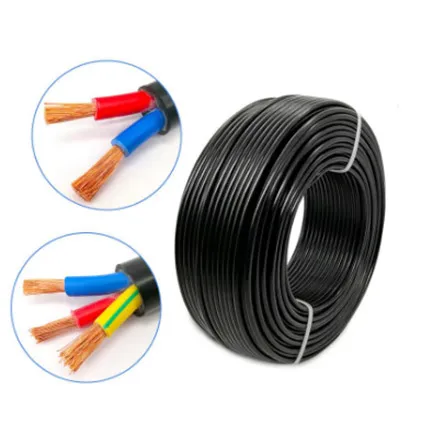
Take a construction site in downtown Riyadh, where cranes pierce the sky and workers in hard hats move with purpose. Amidst the hum of machinery, bundles of red, yellow, and white cables lie neatly stacked, waiting to become the "nervous system" of the upcoming commercial complex. These cables—often overlooked but critical—are more than just building materials. They represent a connection: between global expertise and local ambition, between infrastructure development and economic growth, and most importantly, between Saudi Arabia's "Vision 2030" and the dreams of its young workforce. Behind these cables stands Coloria, a name synonymous with reliability in the Middle Eastern construction sector. As a leading saudi arabia building materials supplier and one-stop architectural solution provider , Coloria isn't just delivering products—it's weaving employment opportunities into the fabric of Saudi's development story.
Launched in 2016, Saudi Arabia's Vision 2030 is more than a policy document—it's a promise to transform the nation from an oil-dependent economy to a diversified hub of innovation, tourism, and industry. At its core lies a bold commitment: empowering Saudi citizens through meaningful employment. The vision targets reducing unemployment from 11.6% (2021 data) to 7% by 2030, with a specific focus on increasing private sector jobs and fostering "Saudization"—the hiring of local talent across industries. For the construction sector, which accounts for over 10% of Saudi's GDP, this means a shift from reliance on imported labor to building a skilled, homegrown workforce.
But how do building materials, let alone cables, fit into this equation? Consider this: every commercial tower, residential complex, and infrastructure project requires miles of electrical wiring. From powering elevators to lighting up retail spaces, cables are the unsung heroes of modern construction. For Saudi to meet its Vision 2030 goals, these projects need not just materials—but local expertise to source, install, and maintain them. This is where Coloria steps in.
With decades of experience the Middle Eastern market and a dedicated in Saudi Arabia, Coloria isn't a newcomer to the region's unique challenges. The company's success stems from a simple philosophy: think global, act local . "We don't just sell building materials—we build relationships," says a Coloria regional manager based in Riyadh. "Our team includes Saudi engineers, project managers, and technical specialists who understand the local climate, regulations, and most importantly, the needs of Saudi workers."
This local focus is evident in Coloria's programs. The company partners with technical colleges in Jeddah and Dammam to offer apprenticeships in electrical systems installation, focusing specifically on cables and wiring. "Last year, we trained 120 Saudi youth in cable management for commercial buildings," notes the manager. "Over 80% of them now work with our partner contractors on projects across the kingdom."
To the untrained eye, cables might seem like mere wires. But in reality, they're the lifelines of any structure. In Saudi Arabia, where temperatures can soar to 50°C and dust storms are common, the quality of electrical cables directly impacts safety, efficiency, and durability. Coloria's electrical fixtures & cables solutions are engineered to withstand these harsh conditions—yet their value goes beyond resilience.
| Cable Color | Function | Why It Matters in Saudi Construction |
|---|---|---|
| Red | Live Wire (Carries Electrical Current) | High-temperature insulation prevents overheating in Saudi's hot climate, reducing fire risks in residential and commercial buildings. |
| Yellow/Green | Earth Wire (Safety Grounding) | Critical for protecting residents and workers from electric shocks, especially in high-moisture areas like bathrooms or industrial kitchens. |
| White | Neutral Wire (Completes the Circuit) | Low-resistance design ensures stable power flow, essential for sensitive equipment in hospitals, schools, and data centers. |
These cables aren't just components—they're a foundation for skilled jobs. Installing them requires trained electricians who understand Saudi's electrical codes (based on IEC standards but adapted for local conditions). Coloria's cables come with detailed installation guides in Arabic, and the company offers on-site training for contractors to ensure proper handling. "A single commercial project can require 50+ electricians working for months," explains a Coloria technical trainer. "By standardizing our cables and training local teams, we're making these jobs accessible to Saudi youth."
What sets Coloria apart is its ability to deliver one-stop architectural solution provider services. For a typical project—say, a 20-story residential tower in Riyadh—Coloria doesn't just supply cables. It provides everything from solar panels (to meet sustainability goals) to kitchen appliances, flooring, and even elevators. This end-to-end approach creates a ripple effect of employment opportunities.
Take the "Al-Madinah Heights" project, a mixed-use development in Medina completed in 2024. Coloria was the lead materials supplier, overseeing electrical systems, plumbing, and interior finishes. For the electrical phase alone, the company:
1. Hired 30 local electricians to install over 15,000 meters of red, yellow, and white cables.
2. Trained 15 Saudi engineers in energy-efficient wiring design, aligning with the project's LEED certification goals.
3. Partnered with a local SME to manufacture cable management accessories (like conduit pipes), supporting 20 additional jobs.
"We could have imported pre-made systems, but that would mean missing out on training opportunities," says the project manager. "Instead, we invested in local talent, and the result was a project delivered on time, under budget, and with a team proud to have built something for their community."
Vision 2030 isn't just about jobs—it's about sustainable jobs. As Saudi aims to reach net-zero emissions by 2060, the demand for sustainable building solutions is skyrocketing. Coloria's green lineup, including energy-efficient cables, is designed to meet this demand while creating high-skill employment.
Consider Coloria's low-voltage cables, which reduce energy loss by up to 15% compared to traditional options. Installing these requires specialized knowledge of renewable energy systems (like solar panel integration), a field where Saudi is investing heavily. "We're seeing a surge in demand for certified 'green electricians'," notes a Coloria sustainability specialist. "These roles pay 20% more than standard electrical jobs, making them highly attractive to Saudi youth."
The company's commitment to sustainability extends beyond products. Coloria's Riyadh warehouse runs on solar power, and its delivery fleet includes electric trucks—creating jobs in renewable energy maintenance. "A single solar-powered warehouse needs technicians to monitor panels, repair inverters, and optimize energy use," says the specialist. "These are careers that didn't exist a decade ago, and we're helping build that workforce."
| Metric | 2020 | 2022 | 2024 (Estimated) |
|---|---|---|---|
| Direct Saudi Employees | 45 | 89 | 150+ |
| Local Training Programs (Annual) | 3 | 8 | 12 |
| Projects Using 100% Local Labor (Installation) | 2 | 7 | 15+ |
| Indirect Jobs Created (SME Partners) | 50 | 120 | 200+ |
These numbers tell a story of growth—for Coloria, for Saudi's construction sector, and for its people. "When I started as an apprentice with Coloria in 2020, I had no idea I'd be leading a team of 10 electricians by 2024," says Ahmed, a 28-year-old Saudi national now working on a Riyadh metro station project. "The training was tough, but now I'm earning a salary that supports my family and building skills that will last a lifetime."
As Saudi Arabia races toward Vision 2030, Coloria shows no signs of slowing down. The company is expanding its Riyadh training center to accommodate 500+ apprentices annually and plans to launch a "Green Building Academy" in partnership with King Saud University. The focus? Training the next generation of Saudi engineers in sustainable construction, with a special track in electrical systems.
For the red, yellow, and white cables that started this story, their role will only grow. With mega-projects like NEOM, Qiddiya, and the Riyadh Metro underway, demand for high-quality electrical solutions is surging. Each meter of cable laid is a step toward a more connected, more prosperous Saudi Arabia—one where young people don't just work in construction, but shape it.
In the end, Coloria's red, yellow, and white cables are more than just wires. They're threads in the tapestry of Saudi Vision 2030—connecting global expertise to local talent, construction sites to careers, and today's projects to tomorrow's prosperity. As a saudi arabia building materials supplier and one-stop architectural solution provider , Coloria has proven that building materials can build nations. And for Saudi's youth, that means more than jobs—it means the chance to write their own success stories, one cable at a time.
Recommend Products












