


Walk into any modern retail space—a bustling mall, a sleek boutique, or a busy supermarket—and you'll notice the design elements: the layout, the signage, the lighting. What you won't see is the intricate network of cables running through walls, ceilings, and floors, connecting everything from POS systems and security cameras to HVAC units and digital displays. In retail, downtime isn't just inconvenient; it's costly. A single cable failure can disrupt transactions, darken storefronts, or even shut down operations temporarily. That's why choosing the right cables isn't just a purchase—it's an investment in reliability.
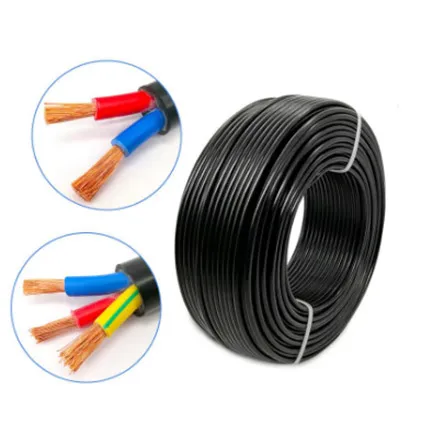
Retail projects come with unique electrical challenges. High foot traffic means cables must withstand occasional impacts and vibrations. Varied equipment—from high-power refrigerators in grocery stores to sensitive LED lighting in clothing shops—requires precise voltage management. And with retail spaces often open 12+ hours a day, cables need to handle continuous use without overheating or wear. This is where color-coded cables, specifically red, yellow, and white, step in. Their distinct colors aren't just for aesthetics; they're a safety standard, ensuring easy identification during installation, maintenance, and upgrades. Red typically marks live wires, yellow (or green-yellow) for ground, and white for neutral—critical for preventing wiring errors that could lead to short circuits or safety hazards.
But not all color-coded cables are created equal. Many retail project managers have faced the frustration of cables that fray after a few years, insulation that cracks in high temperatures, or poor conductivity that leads to frequent power fluctuations. This is where durability becomes non-negotiable. For retail businesses aiming to stay competitive, the right cables mean fewer maintenance calls, lower long-term costs, and the peace of mind that comes with a reliable electrical system.










