
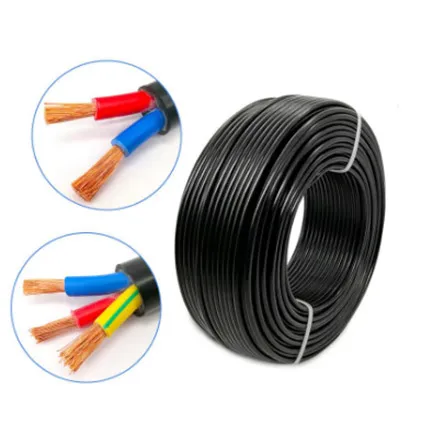
Step into any modern data center, and you'll immediately notice the rows of servers humming away, their lights blinking in a silent, rhythmic dance. But what truly keeps this digital heartbeat steady? It's not just the servers or the cooling systems—it's the intricate network of cables running through the infrastructure, acting as the unseen veins that carry data, power, and connectivity. In today's world, where data centers handle everything from cloud storage to real-time AI processing, the demand for cables that are both secure and efficient has never been higher. That's where red, yellow, and white cables come into play—and why partnering with a trusted one-stop architectural solution provider like Coloria can make all the difference.
Data centers are the backbone of our digital economy. Every time you stream a movie, send an email, or make an online purchase, you're relying on these facilities to process and store information. But here's the thing: none of that works without reliable cables. And not just any cables—cables that can handle massive data loads, meet strict safety standards, and stand the test of time. Red, yellow, and white cables, in particular, have emerged as the go-to choice for data center operators who refuse to compromise on security or efficiency. Let's dive into why these cables matter, the challenges they solve, and how Coloria is leading the way in delivering solutions that keep data centers running smoothly, today and tomorrow.
You might think that choosing cables for a data center is as simple as picking the right length or color. But anyone who's worked in the industry knows it's far more complex. Data centers face a unique set of challenges that make cable selection a critical decision—one that can impact everything from operational efficiency to long-term costs. Let's break down the key issues:
These challenges aren't just technical—they're business-critical. A data center that can't handle bandwidth demands loses customers. One that cuts corners on safety risks regulatory fines and reputational damage. And in an era where sustainability is a top priority for investors and consumers alike, outdated, inefficient cables can hurt your bottom line and your brand. So, how do red, yellow, and white cables address these issues? Let's take a closer look.
At first glance, the colors red, yellow, and white might seem like nothing more than a way to organize cables. But in reality, they're part of a sophisticated system designed to enhance safety, efficiency, and performance. Let's unpack what each color brings to the table—and why they're becoming the standard for forward-thinking data centers.
| Cable Color | Core Features | Primary Applications | Key Advantages |
|---|---|---|---|
| Red | Fire-resistant materials, high-temperature tolerance, low smoke emission | Power distribution, critical power paths | Enhanced safety during electrical fires; meets strict fire codes (e.g., UL 94 V-0) |
| Yellow | Shielded design, low electromagnetic interference (EMI), high data transfer rates | Data transmission, network connectivity, server-to-switch links | Minimizes signal loss; ideal for high-bandwidth applications like AI and cloud computing |
| White | Energy-efficient materials, lightweight, easy to label and route | Secondary power, control systems, auxiliary equipment | Reduces energy consumption; simplifies installation and maintenance |
But the benefits don't stop there. Coloria's red, yellow, and white cables go beyond basic color coding—they're engineered with innovation in mind. For example, our red cables use advanced flame-retardant materials that not only resist fires but also emit minimal smoke, reducing the risk of respiratory harm to technicians and damage to sensitive equipment. Our yellow cables feature a double-shielded design that virtually eliminates EMI, ensuring that even in crowded data centers, signals stay strong and clear. And our white cables? They're made with lightweight, flexible materials that make routing a breeze—no more wrestling with stiff, uncooperative wires during installation.
Here's another key point: these cables are built to grow with your data center. As bandwidth demands increase, you won't need to rip out and replace your entire cable infrastructure. Coloria's red, yellow, and white cables are designed to support future upgrades, from higher data transfer rates to new cooling systems. That means lower long-term costs and less disruption to your operations. It's not just about solving today's problems—it's about preparing for tomorrow's challenges.
Sure, there are plenty of cables supplier out there. But what sets Coloria apart? We're not just selling cables—we're delivering a complete solution. As a one-stop architectural solution provider, we understand that data centers need more than just wires. They need a partner who can integrate cables with other critical systems, provide expert support, and ensure that every component works together seamlessly. Let's explore how our approach makes a difference.
Data centers aren't just about cables—they're about a cohesive electrical system. That's why Coloria offers more than just red, yellow, and white cables. We provide a full range of electrical fixtures & cables, including distribution boxes, switches, and sockets, all designed to work together. This integration means fewer compatibility issues, faster installation, and a more reliable system overall. Instead of coordinating with multiple suppliers, you can get everything you need from one source. It's simpler, more efficient, and it reduces the risk of delays or errors.
Data centers are global, but their needs are often local. That's why Coloria has invested in a global service network with deep roots in key markets—like Saudi Arabia. As a trusted saudi arabia building materials supplier, we understand the unique challenges of operating in the Middle East, from extreme temperatures to local regulatory requirements. Our team on the ground can provide personalized support, from initial design to installation and maintenance. Whether you're building a data center in Riyadh or Singapore, you'll have access to experts who know your market inside out. No more dealing with time zones or language barriers—just responsive, reliable service when you need it most.
When it comes to data center cables, quality isn't optional. That's why Coloria subjects every cable to rigorous testing, from material selection to final inspection. Our red cables undergo fire resistance tests to ensure they meet UL and IEC standards. Our yellow cables are put through EMI shielding trials to guarantee minimal signal loss. And our white cables are tested for energy efficiency, ensuring they help you meet your sustainability goals. We don't just meet industry standards—we exceed them. Because when your data center is on the line, "good enough" isn't good enough.
We get it: data centers are energy-intensive, and reducing their carbon footprint is a top priority. That's why our red, yellow, and white cables are designed with sustainability in mind. We use recycled materials where possible, and our manufacturing processes are optimized to minimize waste. Plus, our cables are built to last, reducing the need for frequent replacements. It's part of our commitment to green and the global "" (dual carbon goals). When you choose Coloria, you're not just getting reliable cables—you're getting a partner who shares your commitment to a more sustainable future.
Let's put this all into perspective with a real-world example. A leading tech company recently set out to build the largest data center in the Middle East, located in Riyadh, Saudi Arabia. The facility needed to handle over 100 petabytes of data, support AI research, and meet strict sustainability targets set by the Saudi government as part of its Vision 2030. The stakes couldn't have been higher—and they turned to Coloria for help.
The challenges were significant: extreme temperatures (often exceeding 45°C in summer) required cables that could withstand heat without degrading. The data center's size meant thousands of cables needed to be routed efficiently, with clear labeling to simplify maintenance. And to align with Vision 2030's sustainability goals, the client needed cables that reduced energy consumption and were made from eco-friendly materials.
Coloria's solution? A customized package of red, yellow, and white cables, integrated with our electrical fixtures and distribution boxes. Here's how it worked:
Today, the data center is up and running, handling millions of daily transactions and supporting groundbreaking AI research. The client reports zero downtime related to cables, and they've already exceeded their sustainability goals for the year. It's a testament to what happens when you combine innovative cables with a one-stop solution provider that understands your needs.
Data centers aren't standing still—and neither are we. As technology evolves, so do the demands on cable infrastructure. Let's take a look at the trends shaping the future of data center cables and how Coloria is preparing to meet them.
Imagine being able to monitor your cables in real time—tracking temperature, signal strength, and even predicting failures before they happen. That's the future of smart cable management, and Coloria is already developing solutions that integrate sensors into our red, yellow, and white cables. These sensors will send data to a central dashboard, giving operators unprecedented visibility into their infrastructure. It's proactive maintenance, not reactive—saving time, money, and headaches down the line.
Sustainability isn't a trend anymore—it's a requirement. As more companies commit to net-zero, data centers will need cables that are not just energy-efficient but carbon-neutral. Coloria is investing in research to develop cables made from 100% recycled materials, with manufacturing processes powered by renewable energy. We're also exploring biodegradable options for non-critical cables, ensuring that even at the end of their lifecycle, our products have minimal environmental impact.
Data centers are getting denser, with more servers packed into smaller spaces. That means cables need to be thinner, more flexible, and capable of higher data transfer rates. Coloria's next generation of yellow cables is designed to handle 100 Gbps and beyond, all while being 30% slimmer than current models. It's about doing more with less—maximizing performance without sacrificing space.
At this point, you might be thinking, "This all sounds great—but why Coloria?" Let's wrap up with a clear breakdown of what makes us the right choice for your data center:
Data centers are the backbone of the digital age, and cables are the backbone of data centers. You can't afford to cut corners on something this important. With Coloria, you're not just getting cables—you're getting a partner who is invested in your success. We're here to help you build a data center that's secure, efficient, and ready for whatever the future brings.
The world of data centers is evolving fast. Red, yellow, and white cables are no longer a luxury—they're a necessity for any facility that wants to stay competitive, safe, and sustainable. And Coloria is ready to help you make the switch. Whether you're building a new data center or upgrading an existing one, we have the expertise, products, and global support network to ensure your success.
Don't let outdated cables hold you back. Contact us today to learn more about our red, yellow, and white cables, and discover how we can help you build a data center that's built for the future. Your digital heartbeat deserves nothing less.
Recommend Products












