
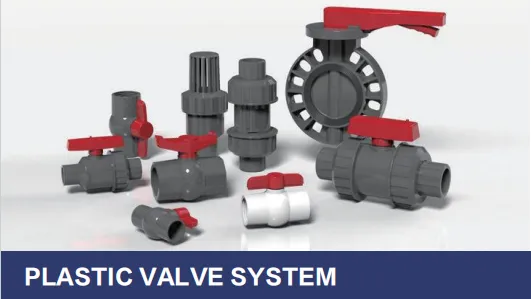
Choosing a plastic valve system supplier isn't just about comparing prices or ticking boxes on a procurement list. It's about finding a partner who understands your project's unique needs, prioritizes quality, and stands behind their products long after the sale. Whether you're working on a residential plumbing project, a commercial building's HVAC system, or an industrial facility's fluid management setup, the right supplier can make the difference between smooth operations and costly, stressful headaches. But how do you separate the reliable partners from the ones that'll leave you scrambling to fix mistakes? Let's dive into the red flags that should make you hit pause—and possibly walk away—when evaluating potential suppliers.
Let's start with the basics: certifications. Plastic valve systems are critical components in infrastructure, carrying everything from potable water to industrial chemicals. They need to meet strict safety, durability, and performance standards—think ASTM International guidelines, ISO certifications, or regional regulations like Saudi Arabia's SASO standards. A reputable plastic valve system supplier should have these certifications readily available, not hidden behind vague promises like, "Oh, we're compliant with all the major standards."
Suppose you ask a supplier for a copy of their ISO 9001 certificate (which ensures consistent quality management) or ASTM D2846 compliance docs (specific to plastic valves). If they hesitate, change the subject, or send you a blurry, expired PDF, that's a red flag. Here's why: certifications aren't just paperwork—they're proof that an independent third party has verified the supplier's processes, from raw material sourcing to manufacturing to testing. Without them, you're gambling on whether their valves can withstand pressure, resist corrosion, or avoid leaching harmful substances. I've heard horror stories of contractors who skipped this check: a school renovation project used uncertified valves that cracked under temperature changes, leading to flooding, mold growth, and months of costly repairs. Don't let that be you.
And it's not just about the valves themselves. If a supplier also offers related products—say, they're a pvc dwv pipe supplier or a ppr pipe and fitting supplier—their certifications should extend to those, too. A "one-stop" supplier with gaps in compliance is still a risky choice.
You've checked the certifications, and they look good. You order a small batch of valves to test, and they're perfect: smooth edges, precise threading, consistent weight. Great, right? Then you place a larger order for your project—and the second batch is a mess. Some valves have rough, uneven surfaces; others don't fit properly with your ppr pipe and fittings; a few even have hairline cracks in the plastic. When you ask the supplier, they blame "minor production variations." But here's the truth: "minor variations" in plastic valve systems can lead to major problems, like leaks, pressure drops, or system failures.
Inconsistent quality is a telltale sign of poor quality control (QC) processes. A reliable plastic valve system supplier will have strict QC checks at every stage: inspecting raw materials for purity, testing prototypes under stress, and sampling finished products from every batch. They'll even let you tour their facility (or share video footage) to show you their QC labs. If a supplier avoids talking about their QC protocols or dismisses your concerns about batch consistency, it's time to question whether they prioritize long-term reliability over quick sales.
Consider this scenario: A hotel construction project ordered 500 plastic valves from a supplier. The first 50 worked flawlessly, but the next 450 had mismatched thread sizes. By the time the issue was discovered, the plumbing rough-in was already done, and replacing the valves meant ripping out walls and delaying the project by weeks. The supplier's response? "We'll give you a 10% discount on the next order." That's not a solution—that's a band-aid for a problem they should have prevented.
Warranties are more than just a safety net—they're a window into how much a supplier believes in their products. A strong warranty says, "We stand behind this valve, and if it fails under normal use, we'll make it right." A weak warranty (or no warranty at all) says, "Buyer beware." When evaluating a plastic valve system supplier, ask for their warranty in writing. If the document is full of loopholes—"Warranty excludes wear and tear" (vague), "Claims must be submitted within 7 days" (unrealistic), or "Liability limited to the purchase price" (meaning they won't cover labor or damages from a failure)—that's a red flag.
Equally important is after-sales support. Suppose a valve fails six months into use. You call the supplier, expecting help troubleshooting or arranging a replacement. If you're met with automated menus, unreturned calls, or a customer service rep who says, "That's not our problem," you're stuck. A good supplier will have a dedicated support team that responds promptly, sends replacement parts quickly, and even offers technical guidance—like helping you determine if a valve failure was due to installation error or a manufacturing defect. This is especially critical if you're relying on them for plastic valve system solutions tailored to complex projects, where downtime isn't an option.
I once worked with a facility manager who chose a supplier solely because their valves were 10% cheaper. When a batch of valves leaked, the supplier's "warranty" turned out to be a single line in the invoice: "No returns after 30 days." The manager ended up paying twice as much in plumber fees and replacement parts as they saved on the initial purchase. Don't let price blind you to the value of a solid warranty and responsive support.
Every project is different. Maybe your hospital renovation needs Class A fireproof valves to meet safety codes. Or your industrial plant requires chemical-resistant valves with specific pressure ratings. Or you're working on a historic building where space is tight, and standard valve sizes won't fit. That's where "plastic valve system solutions" come in—not just off-the-shelf products, but tailored options designed to solve your unique problem.
If a supplier only offers a handful of standard valve types and sizes, and refuses to discuss customization, that's a red flag. A truly customer-focused plastic valve system supplier will ask questions: "What fluid will the valve carry?" "What's the maximum operating temperature?" "Do you need it to be lead-free or corrosion-resistant?" They'll then work with you to design a solution—whether that means modifying a standard valve, creating a custom mold, or recommending a material blend (like adding UV stabilizers for outdoor use). For example, a ppr pipe and fitting supplier might suggest a reinforced PPR valve for a high-pressure hot water system, even if it's not their "best seller."
On the flip side, be wary of suppliers who promise "custom solutions" but can't explain how they'll execute them. If they say, "We can make anything!" but can't walk you through the design process, material selection, or testing timeline, they're likely overpromising. Custom work requires engineering expertise, prototype testing, and clear communication—none of which happen overnight. A supplier who rushes this process or skips key steps is setting you up for disappointment.
Let's talk about the human side of supplier relationships: communication. You send an email asking for a quote, and it takes three days to get a response. You call to clarify a technical detail, and the sales rep says, "I'll have to check with the factory and get back to you"—then you don't hear from them for a week. When you follow up, they apologize but have no answers. Sound familiar? Poor communication isn't just annoying—it's a sign that the supplier doesn't value your business or lacks the organization to support their clients.
In fast-paced projects, delays cost money. If a supplier can't answer basic questions about lead times, product specs, or shipping logistics in a timely manner, imagine how they'll handle a crisis. A pipe bursts on-site, and you need replacement valves ASAP—will they prioritize your order, or will you be stuck waiting behind bigger clients? A responsive supplier will acknowledge your messages within 24 hours, even if it's just to say, "We're working on this and will update you by EOD." They'll assign you a dedicated account manager who knows your project details, so you're not repeating yourself every time you call.
I recently spoke to a contractor who described a supplier that took two weeks to confirm a delivery date. By the time the valves arrived, the project's plumbing phase was already delayed, and the contractor had to pay overtime to catch up. "I should have walked away when they ignored my first three emails," he said. Don't let unresponsiveness derail your timeline—your team, your clients, and your bottom line deserve better.
We all love a good deal, but when it comes to plastic valve systems, rock-bottom prices are often a red flag. Quality materials (like high-grade PVC or reinforced PPR), rigorous testing, and skilled labor cost money. If a supplier's prices are 30% lower than their competitors, ask yourself: How are they cutting costs? Are they using recycled plastic with unknown additives? Skipping QC tests? Cutting corners on packaging, leading to damaged products during shipping?
A plastic valve system supplier that undercuts the market by a wide margin is likely sacrificing something—usually quality. And while you might save money upfront, you'll pay for it later in repairs, replacements, or even legal liability if their valves fail. For example, a property developer once chose the cheapest pvc dwv pipe supplier for a housing complex. The pipes and valves were thin and brittle; within a year, multiple homes had sewage backups due to cracked pipes. The developer ended up paying millions in repairs and legal settlements—far more than the initial "savings."
That's not to say you should automatically pick the most expensive supplier, either. Look for suppliers with transparent pricing that reflects the value of their products: quality materials, certifications, warranty coverage, and support. A fair price will feel reasonable for what you're getting—not like a steal, but like a solid investment.
| Red Flag | What It Looks Like | Why It Matters |
|---|---|---|
| Lack of certifications | Can't produce ASTM, ISO, or regional compliance docs; vague about standards. | Uncertified valves may fail safety tests, leading to leaks, legal issues, or health risks. |
| Inconsistent quality | First batch is perfect; subsequent batches have defects (cracks, poor threading). | QC gaps lead to system failures, project delays, and extra costs for replacements. |
| Vague warranties/poor support | Warranty has loopholes; after-sales calls/emails go unanswered. | You're on your own if valves fail, with no recourse for repairs or compensation. |
| No custom solutions | Only offers standard products; refuses to adapt to project-specific needs. | One-size-fits-all valves may not work for unique setups (e.g., tight spaces, high pressure). |
| Unresponsive communication | Takes days to reply to messages; can't answer technical questions promptly. | Delays in info or orders derail project timelines and increase labor costs. |
| Unrealistically low pricing | Prices are 30%+ below competitors; no explanation for the discount. | Cheap materials/poor manufacturing lead to early failures and hidden costs. |
Hiring a plastic valve system supplier is a decision that impacts your project's success, budget, and reputation. It's worth taking the time to ask tough questions, verify certifications, and test the supplier's responsiveness before signing a contract. Remember: red flags aren't always deal-breakers on their own, but a pattern of them should make you think twice. A supplier who's missing certifications and has poor communication and offers vague warranties? That's a recipe for disaster.
The best suppliers will welcome your scrutiny. They'll walk you through their manufacturing process, introduce you to their QC team, and provide references from clients in your industry. They'll treat you like a partner, not just a paycheck. So don't settle for "good enough"—your project deserves a plastic valve system supplier who delivers quality, reliability, and peace of mind. After all, when the valves are installed, the walls are closed, and the project is complete, you want to sleep easy knowing you made the right choice.
Recommend Products












