
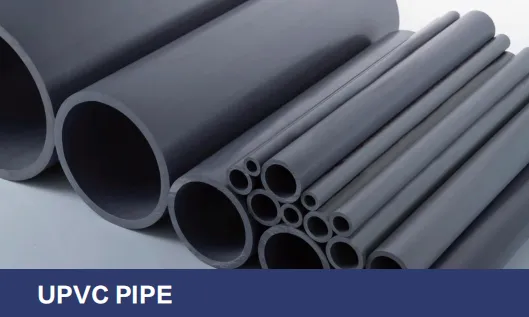
In an era where sustainability isn't just a buzzword but a critical business imperative, the construction industry is undergoing a quiet revolution. From skyscrapers to suburban homes, builders, architects, and homeowners alike are increasingly asking: How can we build better without costing the Earth? One area where this question is gaining traction is in the materials we use to keep our buildings functional—specifically, the pipes that carry water, waste, and essential fluids. Among these, UPVC pipes have long been a staple, prized for their durability and affordability. But today, a new chapter is being written for UPVC: one that involves recycled content. Let's explore what recycled content in UPVC pipe solutions means, why it matters, and how it's shaping the future of construction.
Before diving into recycled content, let's get clear on what UPVC pipes are and why they've become so ubiquitous. UPVC, or Unplasticized Polyvinyl Chloride, is a rigid, strong plastic material used in a wide range of applications, from window frames to plumbing. Unlike regular PVC, which may contain plasticizers to make it flexible, UPVC is stiff and resistant to chemicals, corrosion, and impact—qualities that make it ideal for pipes.
For decades, UPVC pipes have been the go-to choice for plumbing, drainage, and irrigation systems. They're lightweight, easy to install, and require minimal maintenance compared to metal alternatives like copper or galvanized steel. But as the world grapples with plastic waste—with millions of tons ending up in landfills or oceans each year—the industry has started to rethink how these pipes are made. Enter recycled content: a way to give new life to old plastic while still delivering the performance we expect from UPVC.
Recycled content in UPVC pipe solutions refers to the percentage of material in a pipe that comes from post-consumer or post-industrial plastic waste. Post-consumer waste includes items like old UPVC pipes, window frames, or other rigid plastic products that have been discarded by households or businesses. Post-industrial waste, on the other hand, is leftover material from manufacturing processes—think scrap from pipe production or trim from window fabrication that never reached the consumer.
When you hear an upvc pipe supplier talk about "recycled UPVC," they're likely referring to pipes made by grinding down these waste materials, cleaning them, and reprocessing them into new resin. This resin is then mixed with virgin UPVC (to ensure structural integrity) to create pipes that meet industry standards.
Not all recycled plastic is created equal, and the same goes for recycled UPVC. The best upvc pipe solutions rely on high-quality recycled feedstock to ensure the final product performs as well as its virgin counterpart. Common sources include:
Suppliers often partner with recycling facilities to collect, sort, and process these materials. The goal? To create a closed-loop system where old UPVC products are transformed into new ones, reducing the need for virgin plastic derived from fossil fuels.
Why would a homeowner, contractor, or municipality opt for recycled UPVC pipes over traditional ones? The benefits span environmental, economic, and practical considerations—and they're hard to ignore.
The most obvious advantage is environmental. By using recycled content, upvc pipe suppliers help divert plastic waste from landfills and incinerators. Consider this: UPVC is non-biodegradable, meaning a single pipe could sit in a landfill for centuries. Recycling it gives that material a second (or third, or fourth) life, reducing the demand for new plastic. According to industry studies, producing UPVC with 50% recycled content can cut carbon emissions by up to 30% compared to using 100% virgin material. That's a significant reduction, especially when multiplied across large-scale projects like housing developments or municipal water systems.
Recycled materials are often cheaper than virgin plastic, and those savings can be passed down the supply chain. For an upvc pipe supplier, using recycled content can lower production costs, which may translate to more competitive pricing for contractors and homeowners. In some cases, recycled UPVC pipes can be 10-15% less expensive than their all-virgin counterparts—without sacrificing quality. This makes sustainable building more accessible, even for budget-conscious projects.
You might be thinking: Does adding recycled content weaken the pipe? The short answer is no—when done right. Modern recycling technologies allow suppliers to process recycled UPVC to meet the same strength, durability, and chemical resistance standards as virgin UPVC. In fact, many recycled UPVC pipes are tested to withstand the same water pressure, temperature fluctuations, and corrosion as non-recycled ones. This means they're just as suitable for high-demand applications like residential plumbing, commercial drainage, or agricultural irrigation.
| Feature | Recycled UPVC Pipes | Non-Recycled UPVC Pipes |
|---|---|---|
| Carbon Footprint | Up to 30% lower | Higher (fossil fuel-dependent) |
| Cost | 10-15% lower on average | Higher (virgin material premium) |
| Durability | Equal to non-recycled (when processed correctly) | Proven track record |
| Waste Reduction | Diverts plastic from landfills | Contributes to plastic waste when discarded |
| Applications | Residential, commercial, municipal, agricultural | Same as above |
Of course, integrating recycled content into UPVC pipe solutions isn't without its hurdles. From ensuring consistent quality to navigating complex regulations, upvc pipe suppliers face challenges—but they're also innovating to overcome them.
One of the biggest concerns with recycled materials is variability. Post-consumer waste can contain contaminants like dirt, other plastics, or additives that could weaken the final product. To address this, reputable suppliers invest in advanced sorting and cleaning technologies. For example, some use infrared sensors to separate UPVC from other plastics, while others employ high-pressure washing and grinding to remove impurities. Once cleaned, the recycled resin undergoes rigorous testing for strength, melt flow, and chemical composition before being mixed with virgin material. This ensures the final pipe meets industry standards like ASTM D1785 (for PVC pipes) or ISO 1452-2 (for plastic piping systems).
Another challenge is securing a steady supply of high-quality recycled UPVC. Unlike virgin plastic, which can be ordered in bulk from chemical manufacturers, recycled feedstock depends on collection rates and market demand. To stabilize supply, some upvc pipe suppliers are forming partnerships with waste management companies, construction firms, and even local governments. For instance, a supplier might collaborate with a demolition company to old pipes during building renovations, ensuring a reliable stream of post-consumer UPVC.
Building codes and environmental regulations vary by region, and recycled UPVC pipes must meet the same safety and performance standards as non-recycled ones. In the EU, for example, the Construction Products Regulation (CPR) sets strict criteria for materials used in construction, including recycled content. Similarly, in the Middle East, where the demand for sustainable building materials is growing, suppliers must adhere to local standards while promoting recycled solutions. To navigate this, many upvc pipe suppliers seek third-party certifications, such as ISO 14001 (environmental management) or Green Building Council approvals, to demonstrate compliance and build trust with customers.
Recycled UPVC pipes aren't just a niche product—they're versatile enough to be used in almost any application where traditional UPVC pipes are employed. Let's take a closer look at some of the most common uses.
In homes, UPVC pipes are used for everything from supplying fresh water to carrying away wastewater. Recycled UPVC is particularly well-suited for drain, waste, and vent (DWV) systems, which are responsible for removing sewage and gray water. As a pvc dwv pipe supplier will tell you, DWV pipes don't require the same high pressure ratings as water supply pipes, making them an ideal candidate for recycled content. Homeowners can enjoy peace of mind knowing their plumbing is both eco-friendly and reliable.
Commercial buildings, from offices to shopping malls, also benefit from recycled UPVC pipes. They're used in HVAC systems, fire sprinkler lines, and stormwater drainage. In industrial settings, recycled UPVC's chemical resistance makes it suitable for transporting non-corrosive fluids like coolants or process water. For example, a factory might use recycled UPVC pipes to circulate water through its machinery, reducing both operational costs and environmental impact.
Farming and agriculture are major consumers of plastic pipes, used to deliver water to crops, livestock, and irrigation systems. Recycled UPVC pipes are durable enough to withstand outdoor conditions—UV radiation, temperature swings, and soil contact—while being lightweight and easy to install. For farmers looking to reduce their carbon footprint, switching to recycled UPVC is a simple yet impactful step.
Cities and towns are increasingly turning to recycled UPVC for public projects. From sewer lines to stormwater management systems, these pipes help municipalities meet sustainability goals while staying within budget. For example, a city might use recycled UPVC pipes to replace aging infrastructure, reducing the project's environmental impact without compromising on longevity.
Not all upvc pipe suppliers are created equal, especially when it comes to recycled content. If you're considering recycled UPVC pipes for your next project, here are a few key factors to keep in mind when selecting a supplier.
Start by researching the supplier's sustainability practices. Do they have a clear policy on recycled content? What percentage of their UPVC pipes contain recycled materials? Look for suppliers who are transparent about their sourcing—for example, those who publish reports on their waste reduction goals or partner with certified recycling programs. A supplier that prioritizes sustainability will be more likely to invest in the technologies and processes needed to produce high-quality recycled UPVC.
Certifications are a quick way to verify a supplier's claims. Look for products that meet industry standards like ASTM D1785 (for UPVC pipes) or NSF/ANSI 61 (for pipes used in drinking water systems). Additionally, certifications like the Global Recycled Standard (GRS) can confirm the percentage of recycled content in the product. A reputable pvc dwv pipe supplier, for instance, will be happy to provide test reports or certificates proving their recycled pipes meet the same performance standards as non-recycled ones.
Finally, consider the supplier's product range and expertise. Do they offer recycled options for all types of UPVC pipes, including DWV, pressure pipes, and fittings? Can they provide technical support or advice on which recycled pipes are best for your project? A supplier with a wide range of recycled solutions and a knowledgeable team can help ensure your project runs smoothly from start to finish.
To see recycled UPVC pipe solutions in action, let's look at a recent project in a mid-sized city in the Middle East. The city's municipal water authority needed to replace aging cast-iron sewer pipes in a residential neighborhood—a project that would typically generate significant waste and carbon emissions. Instead, they partnered with a local upvc pipe supplier specializing in recycled content.
The supplier provided recycled UPVC DWV pipes with 40% post-consumer recycled content. Over the course of the project, 5 kilometers of old cast-iron pipes were removed and recycled, while the new recycled UPVC pipes were installed with minimal disruption to residents. The results? The project reduced carbon emissions by an estimated 25% compared to using virgin UPVC, saved the city 12% on material costs, and the pipes are expected to last for 50+ years with minimal maintenance.
"We were initially skeptical about using recycled pipes," said the project manager. "But after seeing the test results and working with the supplier, we're convinced this is the way forward. It's better for the environment, easier on our budget, and the performance has been flawless so far."
As sustainability becomes even more central to the construction industry, the future of recycled UPVC looks bright. Here are a few trends to watch:
Recycled content in UPVC pipe solutions isn't just a trend—it's a necessary step toward a more sustainable construction industry. By choosing recycled UPVC, we reduce plastic waste, lower carbon emissions, and create a circular economy where materials are reused, not discarded. Whether you're a homeowner renovating your bathroom, a contractor building a commercial complex, or a municipality upgrading infrastructure, recycled UPVC pipes offer a win-win: performance you can trust and a planet you can feel good about protecting.
As more upvc pipe suppliers invest in recycled content and technology improves, the choice will only get easier. So the next time you're planning a project, ask your supplier about their recycled UPVC options. After all, the best pipelines are the ones that don't just carry fluids—they carry us toward a greener future.
Recommend Products












