

In an era where "sustainability" has shifted from a buzzword to a business imperative, the construction industry finds itself at a crossroads. Every year, the sector generates billions of tons of waste—from demolition debris to excess materials—contributing significantly to global carbon footprints. But what if we could reimagine building materials not as single-use products, but as part of a closed-loop system? Enter recyclable PU stone wall panel solutions: a game-changer for architects, builders, and homeowners who want to build beautifully without compromising the planet. As a leading building material supplier focused on interior and exterior decoration materials, we've seen firsthand how these panels are transforming the way we think about construction—blending aesthetics, durability, and environmental responsibility into a single, innovative package.
Let's start with the basics. PU stone wall panels—short for polyurethane stone wall panels—are a modern take on traditional cladding. They're crafted by combining high-density polyurethane with natural stone aggregates, pigments, and reinforcing fibers, resulting in a material that mimics the look and texture of natural stone (think granite, limestone, or slate) but with a fraction of the weight and a host of sustainability benefits. Unlike heavy, brittle natural stone slabs, these panels are lightweight, flexible, and easy to install—making them a favorite for both interior accent walls and exterior façades.
But what really sets them apart is their recyclability. Traditional building materials often end up in landfills once a structure is renovated or demolished. PU stone panels, however, are designed with the circular economy in mind. At the end of their lifecycle, they can be broken down, processed, and reused to create new panels or other polyurethane-based products. This closed-loop approach drastically reduces waste and lessens the need for extracting raw materials—key pillars of a sustainable future.
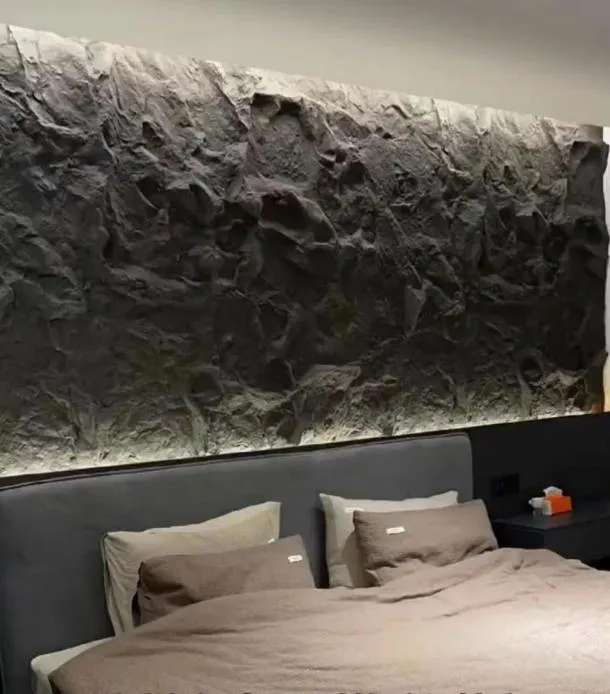
Before diving deeper into PU stone panels, let's talk about the circular economy. In simple terms, it's an economic model that aims to eliminate waste and keep resources in use for as long as possible. Instead of the traditional "take-make-dispose" linear model, the circular economy focuses on "reduce, reuse, recycle"—ensuring that materials are repurposed rather than discarded. For the construction industry, this shift is critical. Buildings account for 39% of global carbon emissions, and much of that comes from the production and disposal of materials. By choosing recyclable solutions like PU stone wall panels, we're not just building structures—we're building a system that respects the planet's limits.
As a pu stone wall panel supplier, we've made circularity a core part of our mission. It's not enough to sell a product; we need to ensure that every stage of its lifecycle—from raw material sourcing to end-of-life disposal—aligns with sustainability goals. That means working with suppliers who use recycled content in production, designing panels for easy disassembly, and partnering with recycling facilities to ensure old panels don't end up in landfills. It's a holistic approach that turns "sustainability" from a marketing term into tangible action.
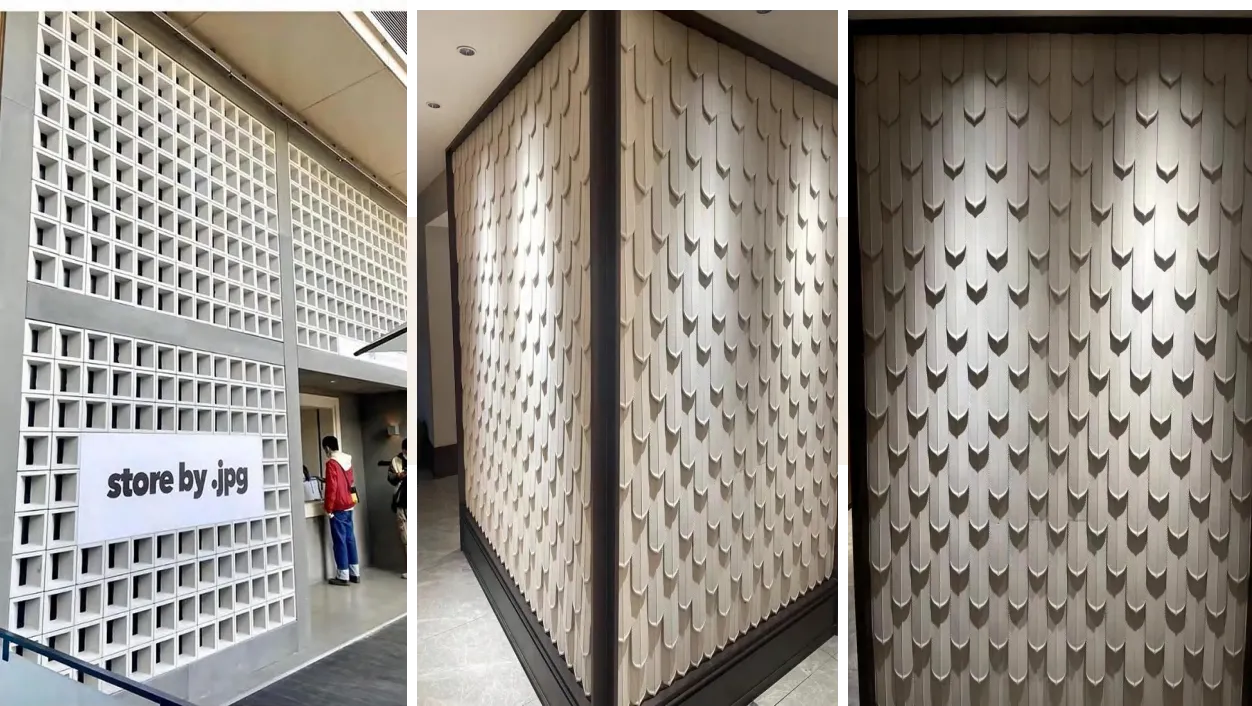
One of the first things architects and builders notice about PU stone panels is their versatility. Unlike natural stone, which is heavy and requires structural support, these panels weigh as little as 3-5 kg per square meter—making them ideal for retrofits or buildings with weight restrictions. Imagine installing a stunning stone accent wall in a historic building without worrying about compromising the structure's integrity. That's the flexibility PU stone panels offer.
Durability is another win. These panels are resistant to moisture, UV rays, and temperature fluctuations—so they hold up in harsh climates, from the scorching heat of Saudi Arabia to the rainy seasons of Southeast Asia. They're also easy to clean and maintain; a quick wipe with a damp cloth is often all it takes to keep them looking new. For busy commercial spaces like hotels or retail stores, that means less downtime for maintenance and more time focusing on customers.
Let's get into the nitty-gritty of recyclability. PU stone panels are engineered to be disassembled and recycled at the end of their lifecycle. Here's how it works: when a building is renovated or demolished, the panels can be removed without damaging the underlying structure (thanks to their lightweight design and simple installation methods, like adhesive or mechanical fastening). Once collected, they're sent to specialized recycling facilities where they're shredded, melted down, and reformulated into new polyurethane products—including new PU stone panels. This process reduces the need for virgin polyurethane and stone aggregates, cutting down on raw material extraction and associated carbon emissions.
Compare this to traditional stone cladding, which is often quarried, cut into slabs, and then discarded once damaged or outdated. Quarrying alone is a resource-intensive process, requiring heavy machinery and leaving permanent scars on landscapes. PU stone panels, by contrast, use up to 30% recycled stone aggregates in their production, and their recyclable nature means they can be reused indefinitely. It's a small change that adds up to big environmental wins.
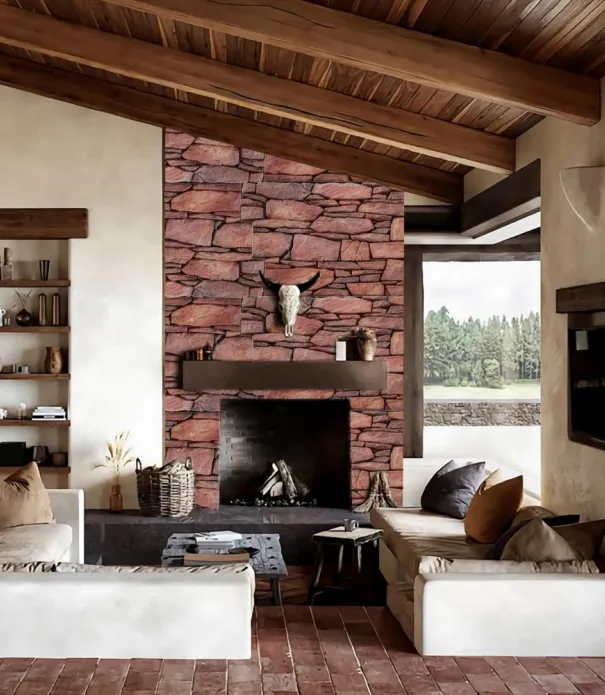
As a pu stone wall panel supplier, we know that sustainability only matters if it's accessible. That's why we've built our business around providing end-to-end solutions—not just selling panels, but partnering with clients to ensure their projects meet both aesthetic and environmental goals. Whether you're designing a boutique hotel in Riyadh, a school in Dubai, or a residential complex in Jeddah, our team works closely with architects and contractors to recommend the right panels, installation methods, and recycling plans.
For example, take a recent project with a luxury retail chain in Riyadh. They wanted a high-end exterior façade that looked like natural sandstone but needed something lightweight to meet the building's load requirements. We recommended our PU sandstone-textured panels, which not only matched the desired aesthetic but also came with a recycling guarantee: when the store undergoes its next renovation in 10 years, we'll arrange to collect and recycle the old panels into new ones. It's a commitment that gives clients peace of mind—knowing their investment today won't become tomorrow's waste.
PU stone wall panels aren't one-size-fits-all. They're designed to thrive in both interior and exterior settings, with specialized solutions for each. For interior decoration materials, we offer panels with intricate textures and finishes—perfect for accent walls in living rooms, restaurants, or hotel lobbies. Imagine a cozy café with a faux brick PU panel wall that adds warmth without the weight of real brick, or a corporate office with a sleek, modern stone feature wall that's easy to install and maintain.
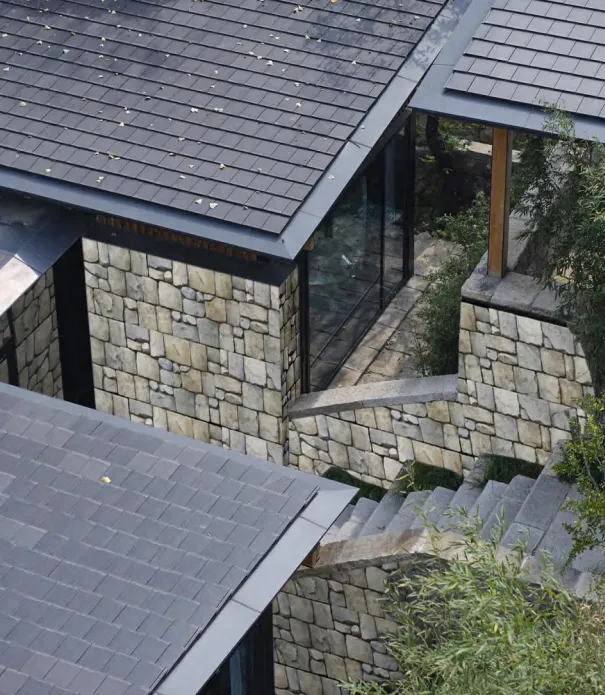
For exterior decoration materials, durability is key. Our exterior-grade PU panels are treated to resist fading, cracking, and moisture, making them ideal for façades, garden walls, or pool surrounds. In coastal areas, where saltwater can corrode traditional materials, these panels stand strong—no rust, no degradation, just long-lasting beauty. And because they're lightweight, they reduce the need for heavy structural support, cutting down on construction time and costs.
Curious how PU stone panels compare to other popular wall solutions? Let's break it down. We've put together a comparison table highlighting key factors like recyclability, weight, cost, and installation ease—so you can see why more builders are making the switch.
| Material | Recyclable? | Weight (per sqm) | Installation Complexity | Long-Term Cost | Environmental Impact |
|---|---|---|---|---|---|
| PU Stone Wall Panels | Yes (closed-loop recycling) | 3-5 kg | Easy (adhesive/mechanical fastening; no heavy equipment) | Moderate upfront, low maintenance, recyclable value | Low (30% recycled content, reduced extraction, recyclable) |
| Natural Granite Slabs | No (landfilled after use) | 20-30 kg | Complex (requires structural support, professional installers) | High upfront, high maintenance (sealing, repairs) | High (quarrying, transportation emissions, waste) |
| MCM Flexible Cladding | Limited (some recycling, but not widely available) | 8-10 kg | Moderate (requires specialized tools) | High upfront, moderate maintenance | Moderate (some recycled content, but disposal challenges) |
| Bamboo Charcoal Board Panels | Yes (biodegradable, but not recyclable into new panels) | 6-8 kg | Moderate (similar to wood panels) | Moderate upfront, high maintenance (susceptible to moisture) | Low (renewable bamboo), but limited lifecycle |
As the table shows, PU stone panels outshine traditional materials in recyclability, weight, and long-term cost. They're not just better for the planet—they're better for your bottom line, too. And with the circular economy gaining momentum, their recyclable nature will only become more valuable as regulations tighten and consumers demand greener options.
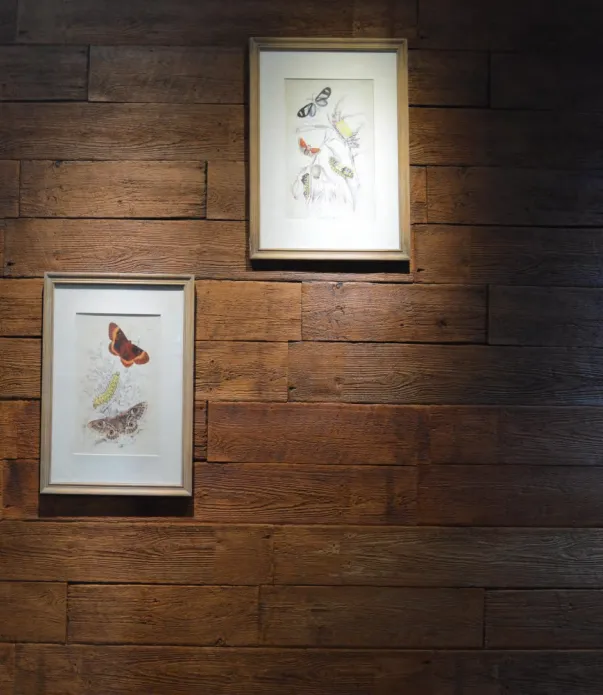
A local school in Jeddah was undergoing a renovation and wanted to reduce its environmental impact. Their goals: create a safe, durable interior that looked welcoming for students, minimize construction waste, and ensure materials could be recycled when the school is updated in 15 years. After considering options like traditional drywall and bamboo charcoal boards, they chose our PU stone wall panels for their classrooms and corridors.
Why? For starters, the panels are Class A fireproof (a critical safety feature for schools), easy to clean (important for busy classrooms), and lightweight (so installation didn't disrupt classes). But the biggest sell was the recyclability promise. We worked with the school to create a "recycling plan"—storing information about the panels' installation and lifecycle so that when renovation time comes, the panels can be efficiently collected and recycled. Today, the school's walls are bright, durable, and eco-friendly—and students even learn about circular economy principles through the building itself.
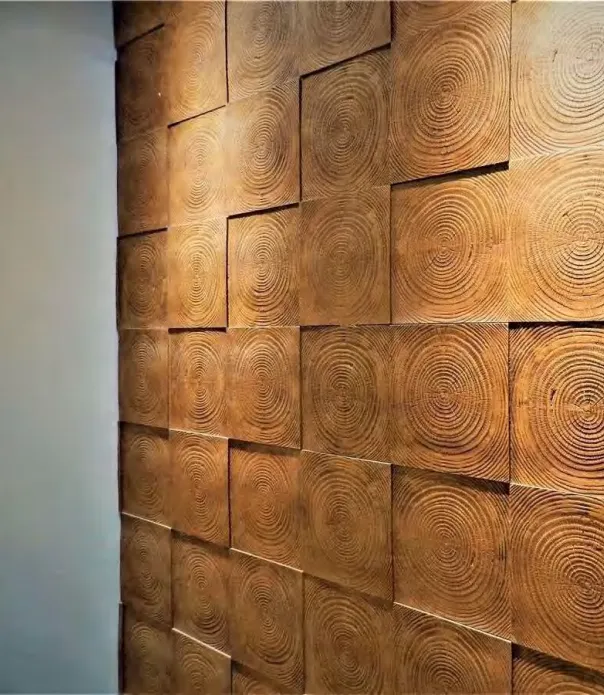
The construction industry is evolving, and recyclable PU stone wall panel solutions are leading the charge. As governments around the world implement stricter sustainability regulations—like the EU's Circular Economy Action Plan or Saudi Arabia's Vision 2030 focus on green building—materials that support closed-loop systems will become the norm, not the exception. Builders and architects who adopt these solutions now aren't just being environmentally responsible; they're future-proofing their projects against rising waste taxes and material shortages.
At our company, we're already looking ahead. We're investing in R&D to increase the recycled content in our panels (aiming for 50% by 2027) and exploring new recycling technologies to make the process even more efficient. We're also partnering with other building material suppliers to create fully circular supply chains—where waste from one product becomes a resource for another. Imagine a future where your kitchen cabinets, flooring, and wall panels all come from recycled materials and can be recycled again. That future is closer than you think, and PU stone panels are helping us get there.
Recyclable PU stone wall panel solutions aren't just a trend—they're a testament to how innovation can align with environmental stewardship. As a pu stone wall panel supplier, we're proud to offer a product that lets clients build spaces they love without sacrificing the planet. Whether you're designing a home, a hotel, or a school, these panels prove that sustainability and aesthetics don't have to be mutually exclusive.
So, the next time you walk into a building with stunning stone walls, take a closer look. It might just be PU stone panels—quietly supporting the circular economy, one wall at a time. And if you're ready to join the movement, we're here to help. After all, the best buildings aren't just built to last—they're built to be reimagined, reused, and recycled.
Recommend Products











