
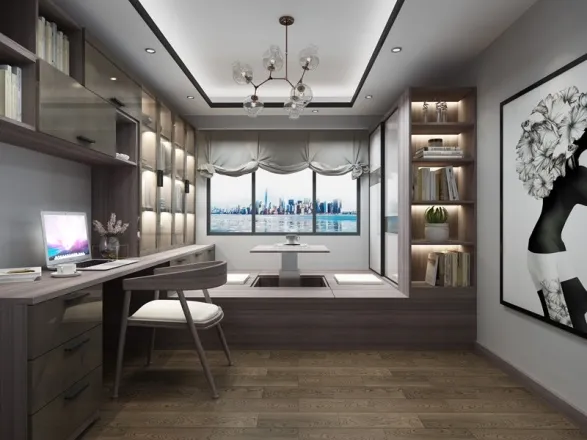
Ever walked into a room and felt that instant wave of calm wash over you? That's the magic of tatami meeting minimalist design. You're not alone if you've been thinking about blending this timeless Japanese tradition with your modern living space. Let's cut through the noise and get real about how these natural fiber mats can transform your home without sacrificing an ounce of style.
Remember visiting grandma's house? Those nostalgic scents of woven rush grass? That's tatami—only now it's evolved into something fresh and contemporary. We're taking this centuries-old craft out of traditional tea houses and plopping it right into 21st-century apartments and lofts. And trust me, when done right, it doesn't clash with your sleek furniture or tech gadgets—it enhances them.
"Tatami isn't just flooring, it's a lifestyle reset button. It slows you down, grounds you, and makes you rethink how space should feel"
Okay, let's get practical first. Why bother with tatami when you've got perfectly good hardwood or laminate? Three things you won't find in modern flooring:
Pro Tip : Start small if you're nervous! A tatami corner in your bedroom or meditation nook is cheaper than redoing whole floors and lets you test the vibe. Shower enclosure transitions work surprisingly well too when you're planning wet areas.
We've all seen those Pinterest-fail "minimalist" beds that look great but feel like sleeping on a rock. Tatami beds solve that sweet spot between Instagram-worthy and actually comfy.
Platform beds are tatami's best friend. Forget cheap plywood platforms—combine with tatami mats creates architectural interest while absorbing sound (say goodbye to echoey bedrooms!).
Can't commit full tatami? Mix them into sections of your bed frame. Place tatami panels where your shoulders, hips and heels hit—body zones that need extra TLC.
What's next? Modular tatami systems—think puzzle pieces you can rearrange as your space needs change. Building your dream nursery? Tatami cubes assemble into play mats. Downsizing to a studio? They morph into guest beds.
The sneaky bonus? Tatami platforms double as storage. Lift sections to reveal hidden compartments perfect for off-season clothes or extra bedding. Pro interior designers have been doing this forever—now you can too without costly renovations.
Sarah from Brooklyn shared her 500sqft triumph: "I switch my tatami area from work-from-home desk zone by day to yoga space by 5pm to guest bed when in-laws visit. The mats roll right into closet slots when not needed." Her secret? Custom-cut sizes with foldable sections.
Mike and Tomás in Portland created a tatami playpen. "Stain-resistant mats means juice spills wipe clean, and the natural bounce protects toddlers better than foam mats that dent over time." Their advice? Get thicker mats (40mm+) if kids will be roughhousing.
Then there's Lena's sunroom transformation using recycled tatami panels along her window seat. Her clever addition? Shoji screens mounted horizontally as skirting boards. Genius touch that unifies the space.
Let's bust myths: Tatami isn't high maintenance, just thoughtfully maintained.
Weekly : Brush with natural bristle broom—no vacuum needed. Spills? Blot, don't scrub.
Seasonally : Rotate mats to distribute wear—takes 10 minutes.
Yearly : Refresh mats with diluted rice vinegar solution—removes deep-set smells naturally.
Warning : Avoid commercial cleaners! Their chemicals damage natural rush fibers. Stick to water, rice vinegar, or specialized tatami cleaners only.
Skip mass-produced mats at big box stores. For authentic Japanese tatami:
Invest smart: Quality tatami lasts 5-10 years with care. Price should be $80-$150 per standard mat. Anything cheaper likely uses fake rush grass that won't breathe properly.
This isn't about recreating traditional tea rooms. It's about stealing the best of centuries-old Japanese wisdom—calm, connection, simplicity—and translating it into spaces where we actually live.
Tatami grounds our hyper-digital lives in sensory reality: the smell of grass, the firm-yet-giving feel underfoot, the visual warmth. Paired with minimalist design? Suddenly our homes become sanctuaries instead of showrooms.
So go ahead—pull one of these ideas that sparked your imagination. Start small. Fold a tatami runner beside your bed. Transform that awkward alcove into a meditation nook. Build a hybrid platform bed. When someone comments on how amazing your space feels? You'll just smile and say "It's amazing what natural materials can do, isn't it?"
Let's get real about why this matters beyond aesthetics:
Recommend Products












