
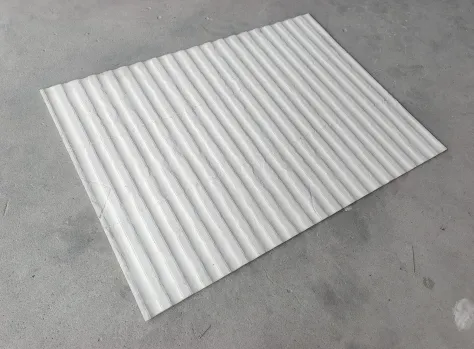
Century Stone's timeless elegance requires specialized care. Whether you're maintaining a historic facade or a modern kitchen countertop, using the right tools transforms preservation from chore to craft. Forget harsh chemicals and abrasive shortcuts - stone restoration blends science with gentle artistry.
Century Stone isn't just a material - it's a geological storyteller. This premium natural stone typically falls into two categories that determine its care needs:
Calcareous Stones: Think marble, limestone, and travertine. These softer formations dazzle with their creamy veining but wince at lemon juice or vinegar. Their porous nature makes them stain magnets.
Siliceous Stones: Granite, slate, and quartzite belong here. Hard as history itself, these resist acids better but have their own vulnerabilities. Their crystalline structures can still surrender to oil-based invaders.
All stone breathes through microscopic pores. A study from the University of Florida found unsealed stone degrades up to 30% faster than protected surfaces. That beautiful weathered look? Often early decay signaling distress.
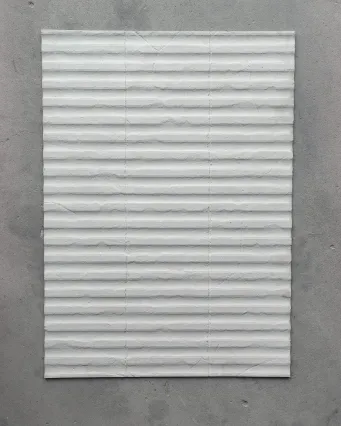
Your stone care toolkit should resemble a surgeon's instruments, not a construction crew's toolbox:
| Tool | Purpose | Why It Matters |
|---|---|---|
| Microfiber Dust Mops | Gently lifts abrasive particles | Prevents micro-scratches that dull stone over time |
| White PH-Neutral Cleaners | Safe daily cleaning | Non-acidic formula won't etch sensitive surfaces |
| Cotton-Weave Mops | Light surface washing | Absorbs dirty water instead of pushing it into pores |
| Microfiber Cloths | Drying & spot cleaning | Lint-free texture prevents residue streaks |
When spills morph into stains, escalate strategically:
Poultice Powders: Stone's detox specialists. When mixed with the right solvent, they create a "drawing paste" that pulls oils or pigments to the surface. Beyond Stone Solutions' R152 paste penetrates up to 2cm deep.
Grout Brushes: Not all toothbrushes are created equal. Look for brass-bristle versions with ergonomic handles to scrub tile joints without scratching stone.
Oxygen-Based Bleach: Nature's brightener. Unlike chlorine bleach, oxygen versions release gentle bubbles that lift stains without damaging mineral structures.
Stain removal resembles detective work. Identify your adversary before choosing weapons:
Organic Assaults: Coffee, wine, fruit. They leave pinkish-brown evidence. Counterattack with 12% hydrogen peroxide + ammonia drops.
Oily Invasions: Cooking oils, cosmetics. These darken stone's appearance. Use mineral spirits or acetone-based solutions.
Metallic Trespassers: Rust rings from cans or iron fixtures. Orange-brown stains respond best to commercial rust removers via poultice application.
Biological Growths: Mold or algae in damp areas. Fight with diluted bleach OR ammonia - never mix these toxic twins!
The restoration artist's secret weapon deserves its own manifesto:
Persistent stains may require up to five applications. If etching occurs, restore shine with specialized polishing powder.
When cleaning alone can't revive stone's luminous soul:
| Tool | Purpose | Surface Results |
|---|---|---|
| Diamond Abrasive Pads | Scratch & etch removal | Creates uniform surface for polishing |
| Stone Polishing Compounds | High-gloss finish | Reveals stone's natural depth and luminosity |
| Honing Powders | Matte/satin finish | Elegantly diffuses light, hides imperfections |
Research from the National Center for Preservation Technology shows proper surface prep makes sealants 40% more effective.
Penetrating Sealers: Silicone-based liquids that soak deep into pores. They preserve stone's natural appearance while creating oil and water resistance.
Topical Sealers: Acrylic or urethane coatings that sit atop the stone. Great for enhancing color but require more frequent reapplication.
Application Protocol:
Century Stone typically requires resealing every 1-3 years depending on traffic and exposure. Calendar reminders prevent tragic forgetting.
Preservation isn't periodic panic - it's graceful consistency:
Daily: Dust mop traffic areas, wipe spills immediately with pH-neutral cleaner
Weekly: Thorough wash with stone soap, dry with microfiber
Quarterly: Deep clean with poultice for trouble spots, check sealant effectiveness
Annually: Professional inspection, reseal as needed, mechanical restoration if required
Your stone whispers its needs. Darkening means sealant fading. Cloudiness suggests etching. White powder signals mineral efflorescence from below-surface moisture. Training your eye detects minor issues before they become costly disasters.
When tackling challenging restoration projects, remember that some specialty tools come from specialized suppliers, including premier wall system supplier in china. Their expertise in stone restoration equipment can be invaluable for difficult jobs.
Caring for Century Stone transforms maintenance into meditation. As you polish marble that may have witnessed generations, or seal limestone that cooled ancient civilizations, you become part of its ongoing story. These geological treasures demand specific tools but reward with timeless beauty. Embrace the specialized mops, the pH-balanced potions, the diamond-encrusted polishers - not as burdens, but as instruments of preservation.
With proper care, the stain that seems catastrophic today will become tomorrow's anecdote, and the scratch that breaks your heart will fade into the stone's ever-evolving narrative. Approach Century Stone not as a problem to solve but as a legacy to steward - one careful cleaning at a time.
Recommend Products












