


Think about how much windows change a space - not just the view outside, but the very feel of a room. When designed right, they become partners in comfort, energy saving, and architectural beauty.
The Energy Efficiency Balancing Act
Windows are fascinating contradictions. They connect us to the outdoors while controlling what comes inside. Modern building codes recognize this push-and-pull relationship through evolving standards like the International Energy Conservation Code (IECC). The IECC takes geography seriously - what works in chilly Minnesota would cause overheating problems in sunny Arizona. That's why requirements vary significantly across climate zones.
Ever seen a window's Energy Star label? It's like a nutrition facts panel for your glass. Certification goes beyond basic codes to measure:
Heat Flow (U-Factor)
How well the window keeps indoor heat from escaping during winter. Think of it as your window's insulation rating.
Solar Heat Gain (SHGC)
How much heat from sunlight enters your space. Higher numbers welcome winter sun but can overheat rooms in summer.
Visible Light Transmission
The percentage of natural light that makes it through. Balancing brightness with glare control is an art.
Air Leakage
Measured in cubic feet per minute per square foot. Lower numbers mean fewer drafts sneaking through cracks.
The Heart of Smart Windows: Glass Technologies
Not all glass is created equal. While manufacturers start with similar base materials, the treatments and assemblies make all the difference:
| Glass Type | Best For | Key Benefit | Typical Use Cases |
|---|---|---|---|
| Low-Emissivity (Low-E) | Climate control | Blocks infrared heat while letting light through | Most residential applications |
| Double/Triple Glazing | Thermal insulation | Air gaps between panes reduce heat transfer | Cold climates, noise reduction |
| Electrochromic Smart Glass | Dynamic control | Tint adjustment via electric current | Commercial buildings, luxury homes |
| Vacuum Insulated Glazing | Maximum efficiency | Near-perfect insulation in slim profiles | Historic renovations, space constraints |
| Self-Cleaning Glass | Maintenance reduction | Photocatalytic coating breaks down dirt | Hard-to-reach windows |
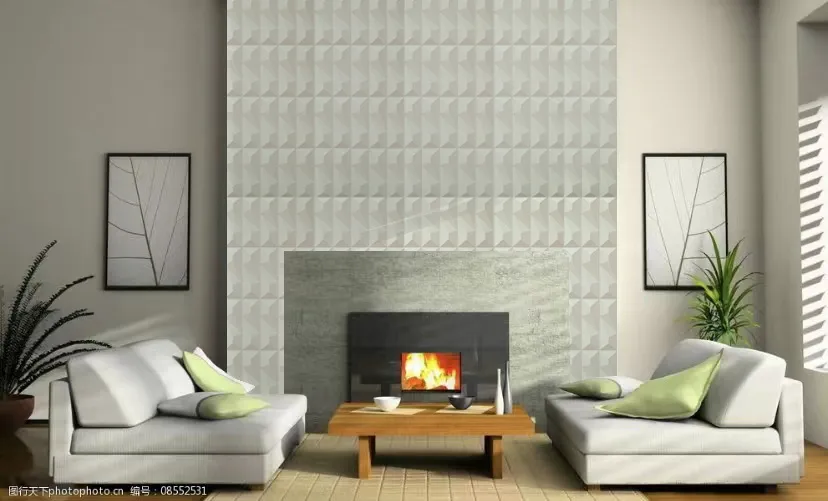
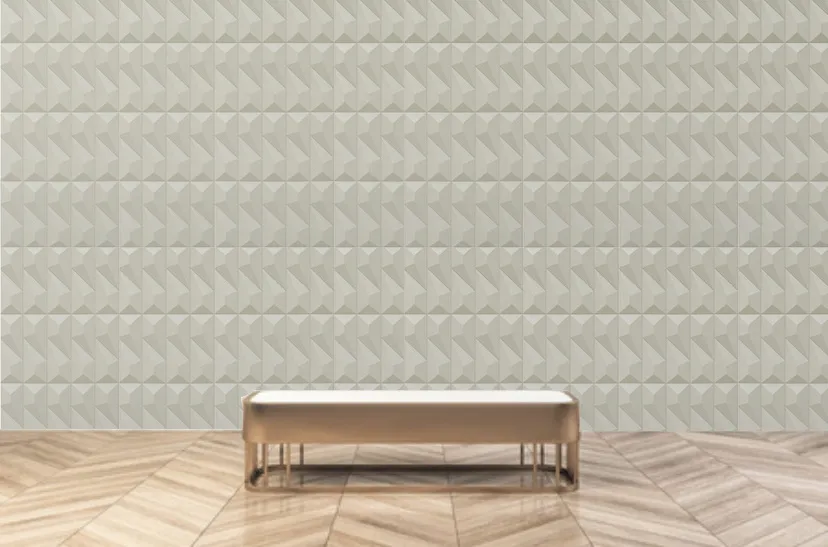
Remember those insulation decorative integrated panels your contractor mentioned? They're game-changers when paired with high-performance glazing. By coordinating interior finishes with window systems, you create both visual harmony and thermal protection at the edges where framing meets walls.
Frame Materials: The Unsung Heroes
While glass gets all the attention, frames determine durability and installation success. Each material offers unique characteristics:
Fiberglass
Top performer in expansion/contraction resistance. Matches glass movement rates for exceptional air sealing. Requires professional installation but lasts decades.
Vinyl
Budget-friendly with decent insulation. Quality varies wildly - look for reinforced corners and multiple air chambers.
Aluminum
Superb for structural integrity in large spans. Requires thermal breaks to prevent condensation issues.
Wood
Natural insulation properties and aesthetic warmth. Needs consistent maintenance to prevent rot in humid climates.
Modern composite frames combine materials creatively - aluminum exteriors for weather protection paired with wood interiors for warmth. The key is understanding how materials perform in your specific environment rather than defaulting to trends.
Design Intelligence: Making It All Work Together
Selecting components is step one - integrating them effectively is where architectural magic happens:
Climate-Specific Strategies
•
Hot climates:
Prioritize low SHGC coatings (around 0.25) to reflect heat without blocking views
•
Cold regions:
Maximize U-factor below 0.30 while allowing higher SHGC (0.40+) for solar gain
•
Mixed regions:
Balance U-factor and SHGC for year-round comfort
Advanced simulation tools like EnergyPlus are becoming essential in window system design. These tools model variables like:
- Seasonal sun path patterns at specific latitudes
- Adjacent building shadow effects
- Microclimate conditions near windows
- Interior furniture layout affecting light distribution
The payoff? Windows become tuned instruments instead of standard commodities. A south-facing window in Colorado might employ triple glazing with higher SHGC to capture winter warmth, while the west-facing windows use different glass to combat harsh afternoon glare without eliminating mountain views.
The biggest design shift? Seeing windows as integrated systems rather than isolated holes punched in walls. This means coordinating:
- Structural support requirements
- Thermal bridging solutions at junctions
- Condensation control strategies
- Daylight integration with artificial lighting
Future-Proofing Your Window Choices
As building technology evolves, windows are getting smarter and more connected:
Building-Integrated PV Windows
Transparent solar cells generating power while functioning as glass. Efficiency continues to improve annually.
IoT-Enabled Glazing
Sensors detecting temperature differentials, condensation risks, or glass stress, sending alerts before problems manifest.
Phase Change Materials
Micro-encapsulated compounds absorbing excess heat and releasing it when temperatures drop.
Self-Repairing Coatings
Developments in polymer technology allowing minor scratches to disappear via heat or moisture.
This isn't science fiction - manufacturers already have pilot installations testing these concepts. The lesson? Design for adaptability rather than permanence. Selecting components with future modification pathways creates more resilient buildings over decades-long lifespans.
Making the Right Choice for Your Project
With all these options, decision paralysis can set in. Cut through complexity by asking:
- What's the primary energy goal? (Net-zero energy? Passive House? Code minimum?)
- How important are maintenance considerations over 10+ years?
- Is view preservation or glare control more critical for occupants?
- What installation expertise exists locally? (Some systems require specialists)
- How will choices affect HVAC system sizing? (Better windows mean smaller mechanicals)
We've seen hospitals select antimicrobial glass coatings to reduce pathogen transmission, museums install UV-filtering glazing to protect artifacts, and schools choose impact-resistant laminated glass for safety. Your functional priorities will drive your technical selections.
Ultimately, exceptional window systems strike a balance between performance science and human experience. When you get it right, people rarely notice the technology - they just feel comfortable, save energy without effort, and connect naturally with the world beyond the glass.










