
Circuit breakers serve as your home's electrical guardians – they automatically cut power when detecting dangerous conditions. Occasional tripping is normal protection behavior, but frequent tripping signals underlying issues needing attention.
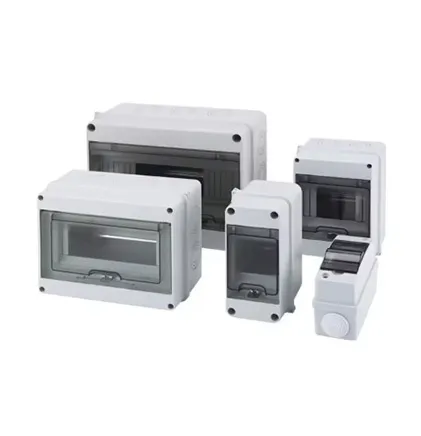
Your electrical distribution box (commonly called a breaker panel) contains multiple circuit breakers that control power flow to different home areas. Frequent tripping isn't just inconvenient – it indicates potential safety hazards like electrical fires or equipment damage. Understanding the root causes helps maintain your home's safety and efficiency.
This most common issue occurs when too many appliances draw power simultaneously on one circuit. Modern homes contain more power-hungry devices than original builders anticipated. For example, kitchen circuits handling microwave, toaster, coffee maker, and blender simultaneously often trip.
Short circuits occur when hot and neutral wires accidentally touch, generating extreme heat instantly. Signs include sparks, smoke odor, or melted wire insulation near outlets. This serious hazard requires immediate attention.
Similar to short circuits but involving grounding wires, ground faults typically occur in moisture-prone areas. This is especially common in kitchens, bathrooms, laundry rooms, or outdoor areas. GFCI outlets provide crucial protection.
Breakers eventually wear out, losing sensitivity and tripping unpredictably. Typical lifespan is 25-40 years. When other causes are eliminated, suspect the breaker itself – particularly in homes with original equipment.
Damaged wires create dangerous sparks (arcing) that can ignite surrounding materials. Arc Fault Circuit Interrupters (AFCIs) detect these hazards before fires start. These are now required in bedrooms, living rooms, and other living spaces.
A failing appliance can overload circuits intermittently. This cause often puzzles homeowners because trips seem random – occurring only when specific devices operate.
Implementing these measures significantly reduces tripping incidents and improves safety:
Ensuring you have high-quality electrical equipment throughout your home is essential for safety and preventing tripping issues. Regular inspections of your entire system will identify potential problems before they cause inconvenient or dangerous situations.
While minor issues like overloaded circuits can be self-managed, consult licensed electricians when you notice:
Modernizing key components improves safety and reduces nuisance trips:
Regular maintenance of your home's distribution box and circuits ensures your electrical systems operate safely and efficiently for decades. By understanding why breakers trip and how to address different scenarios, you'll create a safer home while minimizing disruptions to your daily life.
Recommend Products












