
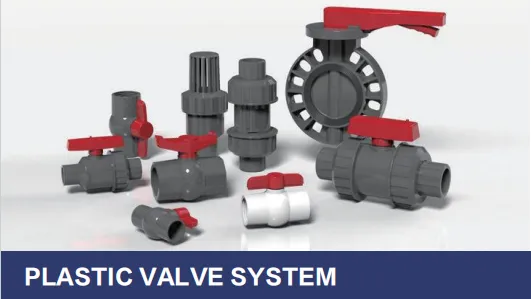
Choosing a plastic valve system supplier isn't just about comparing prices—it's about finding a partner who can deliver reliability, quality, and peace of mind for your construction or renovation project. Whether you're working on a residential building, a commercial complex, or a specialized facility like a hospital, the valves you install play a critical role in ensuring safety, efficiency, and long-term performance. A poor choice here can lead to leaks, system failures, costly repairs, and even project delays. To avoid these headaches, arm yourself with the right questions before signing a contract. Below, we've broken down the most essential inquiries to make, along with why they matter and what to look for in a supplier's answers.
| Key Question | Why It Matters | What to Listen For |
|---|---|---|
| What certifications do your products hold? | Certifications validate compliance with safety and quality standards. | ASTM, DIN, or local Saudi Arabian standards (e.g., SASO). |
| How do you ensure compatibility with pipes? | Mismatched valves and pipes cause leaks and inefficiencies. | Collaboration with UPVC, PPR, or PVC DWV pipe suppliers. |
| What customization options are available? | Unique projects need tailored solutions (e.g., size, pressure ratings). | Flexibility to adjust dimensions or materials for specific needs. |
| What after-sales support do you provide? | Post-purchase issues can derail timelines without support. | Warranty terms, technical assistance, and spare part availability. |
| Can you share references from similar projects? | Past performance indicates reliability for your project type. | Case studies from residential, commercial, or healthcare projects. |
Certifications are the backbone of trust in the building materials industry—and for good reason. A plastic valve system supplier that cuts corners on compliance isn't just risking your project's budget; they're gambling with safety. For example, in Saudi Arabia, where strict building codes govern everything from residential complexes to hospitals, a supplier must adhere to standards set by the Saudi Standards, Metrology, and Quality Organization (SASO). Without this, your project could face legal penalties, failed inspections, or worse: system failures that lead to water damage or health hazards.
Ask specifics here. Does the supplier reference international standards like ASTM D2846 for CPVC pipes or DIN PN10 for PVC fittings? These aren't just acronyms—they're guarantees that the product has been tested for pressure resistance, chemical stability, and durability. A supplier who hesitates to share certification documents or claims "our products meet all standards" without proof is a red flag. For instance, a PVC DWV pipe supplier once partnered with a valve vendor lacking DIN certification; the result was a commercial building's drainage system clogging within months, requiring full replacement. Don't let that be your project.
Valves don't work in isolation—they're part of a larger ecosystem that includes pipes, fittings, and even wall panels. A great plastic valve system supplier understands this and collaborates with other vendors, like UPVC pipe suppliers or PPR pipe and fitting suppliers, to ensure seamless integration. Imagine installing a high-quality valve only to discover it doesn't fit the UPVC pipes sourced from another company. The time wasted on returns, replacements, or makeshift fixes could derail your project timeline and inflate costs.
Dig deeper: Ask if the supplier has partnerships with other building material suppliers, such as those specializing in PVC well casing or screen pipes. A supplier with a network of trusted partners is more likely to anticipate compatibility issues early. For example, a residential building materials supplier might need valves that work with both PEX pipes (common in home plumbing) and PVC DWV pipes (used for drainage). A supplier who can't speak to these nuances may leave you sorting out mismatches on your own.
No two projects are identical. A hospital might require Class A fireproof valves, while a commercial high-rise needs valves rated for extreme pressure. A one-size-fits-all supplier won't cut it here. When evaluating a plastic valve system supplier, ask about their ability to customize—whether it's adjusting valve sizes, modifying materials for chemical resistance, or adapting designs to fit tight spaces.
Consider a scenario: You're managing a renovation for a historic building in Riyadh, where existing plumbing lines have non-standard dimensions. A rigid supplier might force you to rework the entire system, but a flexible one could create custom valves to fit the old pipes, saving time and preserving the building's integrity. Similarly, a commercial building materials supplier working on a mall might need valves with noise-dampening features to meet occupancy comfort standards. The key is to find a supplier who sees customization as a solution, not an inconvenience.
A supplier's job shouldn't end when the valves are delivered. Even the best products can face issues—whether due to installation errors, unforeseen wear, or manufacturing defects. That's why after-sales support is critical. Ask about warranty terms: Is it a 1-year guarantee, or does it cover 5+ years? What does it include—parts, labor, or both? Equally important is technical support: Can you reach a engineer after hours if a valve fails in a hospital's critical care unit?
Don't overlook spare parts availability, either. A supplier who can't quickly replace a broken valve component could leave your project stalled for weeks. For example, a PVC DWV pipe supplier might stock standard parts, but a specialized plastic valve system supplier should have a inventory of niche components. A residential project might tolerate a short delay, but a commercial building materials supplier working on a tight deadline can't—so prioritize suppliers who offer 24/7 support and local warehousing.
Talk is cheap—proof is priceless. A reputable plastic valve system supplier should be eager to share references from past clients, especially those in your industry. If you're working on a school, ask for case studies involving educational facilities; if it's a hotel, request examples from hospitality projects. This isn't just about verifying their track record—it's about ensuring they understand the unique challenges of your project type.
For instance, a supplier who's worked with Saudi Arabia building materials suppliers on large-scale commercial projects will be familiar with local regulations and logistics, which can streamline your workflow. Conversely, a supplier with no experience in healthcare might struggle to meet the strict fire safety requirements of a hospital, even if they claim to offer Class A fireproof products. When speaking to references, ask about communication, problem-solving, and adherence to deadlines—these soft skills are often as important as technical expertise.
Budget overruns are every project manager's nightmare, and hidden fees are a common culprit. A trustworthy plastic valve system supplier will provide clear, itemized quotes that break down costs for materials, customization, shipping, and taxes. Be wary of vague estimates like "around $X per unit"—these often mask add-ons that surface later, such as rush fees for expedited delivery or surcharges for specialized packaging.
Ask for a detailed breakdown and compare it against other suppliers. For example, a PPR pipe and fitting supplier might offer a lower upfront price but charge extra for valve compatibility testing, while another vendor includes that service in their quote. Transparency also extends to lead times: A supplier who a 4-week delivery but fails to mention material shortages could leave you scrambling to find alternatives at the last minute. The goal is to align on expectations from the start—no surprises, no excuses.
Sustainability isn't just a buzzword—it's a critical consideration for modern construction projects. From green building certifications to client demands for eco-friendly materials, the pressure to reduce environmental impact is real. A forward-thinking plastic valve system supplier will prioritize sustainability in their manufacturing processes, whether through using recycled materials, minimizing waste, or reducing carbon emissions during production.
Ask about their approach to recycling: Can old valves be repurposed or recycled at the end of their lifecycle? Do they use energy-efficient machinery in production? Even small details matter. For example, a supplier that sources raw materials locally (like a Saudi Arabia building materials supplier) reduces transportation emissions, while one that uses non-toxic additives aligns with healthier indoor air quality standards—important for hospitals and schools.
A valve might look sturdy, but how do you know it will perform under stress? Rigorous testing is non-negotiable. Ask your supplier to walk you through their quality control process: Do they test for pressure resistance, temperature tolerance, and chemical compatibility? Are products sampled randomly, or is every batch inspected?
For high-stakes projects like hospitals or schools, this is especially critical. A Class A fireproof CPL inorganic board supplier understands the need for rigorous testing to meet safety codes—and your valve supplier should too. Request copies of test reports or certifications from third-party labs to verify their claims. A supplier who hesitates to provide this documentation may be cutting corners on quality assurance.
Selecting a plastic valve system supplier is more than a transaction; it's a partnership that will impact your project's success for years to come. By asking the right questions—about certifications, compatibility, customization, support, and transparency—you can separate the reliable vendors from the risky ones. Remember, the cheapest option isn't always the best: A slightly higher upfront cost for a reputable supplier with strong after-sales support will save you time, money, and stress in the long run.
Whether you're a residential building materials supplier working on a housing complex or a commercial project manager overseeing a skyscraper, the valves you choose are the unsung heroes of your plumbing system. Invest the time to vet your supplier thoroughly, and you'll build a foundation of trust that ensures smooth sailing from groundbreaking to completion.
Recommend Products












