
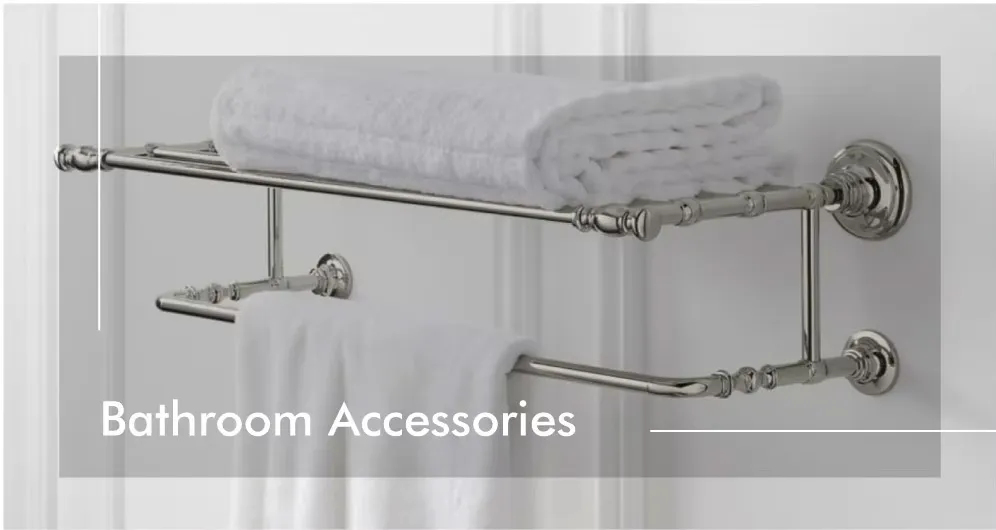
Stepping into your bathroom should feel like entering your personal sanctuary. But have you ever considered what makes that faucet gleam or why that shower handle doesn't rust over time? The secret lies in the invisible protective layer coating your fixtures. The two big players in this hidden world of surface treatments are PVD (Physical Vapor Deposition) and electroplating.
Your bathroom hardware faces constant attack - water exposure, humid air, cleaning chemicals, and even your own fingerprints. The finishing technology doesn't just impact how your accessories look today; it determines how they'll perform tomorrow and years down the road. We'll walk you through the science, differences, and real-life impacts of these technologies so you can make a smart choice for your space.
• Cost-effective for budget projects
• That classic shiny chrome look
• Widely available technology
• Decent initial corrosion resistance
• Vulnerable to scratches and wear
• Limited color options
• Can peel or bubble over time
• Environmental concerns from wastewater
• Typically lasts just 2-5 years
• Outstanding scratch resistance
• 10-20+ year lifespan
• Modern finishes: matte black, champagne bronze, titanium gray
• Naturally resists water spots and fingerprints
• Environmentally cleaner production process
• Higher initial investment
• Not as many traditional silver options
• Specialized installation may be required
• Limited repair options if damaged
| Feature | PVD Coating | Electroplating |
|---|---|---|
| Durability | Built tough for long-term performance in moist environments | Shows wear after just a few years |
| Color Options | Rich modern tones: matte black, rose gold, bronze, titanium gray | Mainly chrome finishes that can appear dated |
| Maintenance | Easy wipe-down; resists fingerprints and water spots | Requires frequent polishing to prevent staining |
| Environmental Impact | Clean technology; minimal waste or toxins | Chemical-heavy process; produces wastewater |
| Scratch Resistance | Highly resistant to daily wear and abrasions | Scratches easily and shows fine marks |
| Cost | Higher upfront cost, but long-term value | Budget-friendly initially, may need replacing sooner |
| Material Compatibility | Works on diverse materials: stainless steel, brass, etc. | Primarily for conductive metals |
Unlike most rooms in your home, your bathroom experiences extreme conditions - 100% humidity after showers, frequent temperature shifts, and chemical exposure from cleaners. PVD coatings form such a strong molecular bond that this environment doesn't faze them. Electroplated finishes, however, face a constant battle against moisture that inevitably leads to deterioration.
The payoff comes years later when your faucets and bathroom accessories still look as pristine as installation day. That's why hotels and luxury developments increasingly choose PVD - not just for looks, but for true long-term performance.
• You live in coastal or highly humid areas (PVD handles moisture beautifully)
• You're aiming for a modern, coordinated bathroom aesthetic
• It's a high-traffic family bath (excellent kid and pet resistance)
• You want low-maintenance fixtures that stay beautiful with minimal effort
• Sustainability matters to you (PVD's eco-friendly process)
• You're on a strict budget for a short-term solution
• It's for a secondary or guest bath that sees minimal use
• You want that classic chrome look
• You're renovating a rental property
• You need fixtures immediately with wide availability
PVD Finishes: That matte black PVD faucet? Perfect against gray slate tiles. Rose gold PVD hardware brings warmth to marble surfaces. Brushed titanium gray creates a sleek industrial vibe. PVD finishes let you make a coordinated style statement.
Chrome Electroplated: The traditional chrome finish is versatile enough for classic white subway tile layouts or spa-like minimalist designs. It reflects light well in smaller bathrooms but shows water spots more readily.
Because PVD coatings are so durable, they can be harder to install correctly. Using the right sealing components prevents potential leaks. Electroplated fixtures are more forgiving, but both benefit from proper sealing to prevent hidden moisture damage.
PVD Care: Just wipe with a damp microfiber cloth. For tougher spots, mild soap and water work perfectly. Avoid abrasive cleaners or pads - though the finish can handle it, why risk scratching?
Electroplated Care: Use pH-neutral cleaners and soft cloths. Chrome polishes restore shine temporarily. Promptly wipe away hard water deposits to prevent etching into the surface.
The shift toward PVD isn't slowing down. New technologies are emerging:
• Hybrid coatings combining PVD with ceramic nanoparticles for extra hardness
• Custom color-matching capabilities
• Faster application processes reducing costs
• Eco-developments making both technologies cleaner
As sustainability becomes more important, PVD's environmental advantages may push it into mainstream availability, bringing luxury finishes within reach of more homeowners.
When choosing bathroom accessories, it's not just about today's look but years of performance ahead. Electroplating offers affordable access to traditional finishes - a sensible choice for budget projects or spaces seeing minimal use. But for bathrooms you'll live with every day - especially high-moisture environments - PVD delivers unmatched durability and low maintenance.
Think beyond the initial purchase to total cost of ownership. That "more expensive" PVD faucet may be the better value over 15+ years. And isn't it worth investing in fixtures that retain their beauty with effortless care?
Recommend Products












