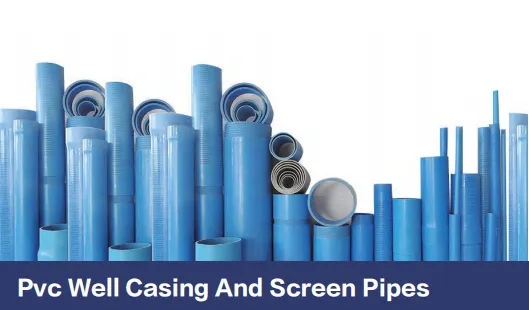
Water is the lifeblood of communities, agriculture, and industry. Behind every reliable well—whether it's quenching the thirst of a farm in rural Saudi Arabia, supplying water to a bustling hospital, or supporting a residential neighborhood—lies a network of components working silently to ensure safety and efficiency. Among these unsung heroes are PVC well casing and screen pipes. These humble yet critical products form the backbone of well construction, protecting water sources from contamination, stabilizing boreholes, and filtering out sediment. But not all PVC well casing and screen pipes are created equal. The difference between a system that lasts decades and one that fails within years often comes down to one key decision: choosing the right supplier. In this article, we'll dive into what PVC well casing and screen pipes are, why they matter, and why partnering with a trusted supplier isn't just a business choice—it's an investment in long-term reliability.
What Are PVC Well Casing and Screen Pipes, Exactly?
Let's start with the basics. If you picture a well as a vertical tunnel dug into the earth, the casing is the "wall" of that tunnel. Made from durable PVC (polyvinyl chloride), well casing is a rigid pipe installed into the borehole to prevent the surrounding soil, rocks, or sand from collapsing into the well. Without casing, the well would quickly become blocked, rendering it useless. But casing does more than just stabilize the structure—it also acts as a barrier between different layers of soil and groundwater, preventing cross-contamination. For example, if there's a layer of polluted soil above a clean aquifer, the casing ensures only water from the desired aquifer reaches the well.
Then there's the screen pipe, often called the "filter" of the well. Installed at the bottom of the casing, where the well intersects the aquifer, screen pipes have carefully designed slots or perforations that allow water to flow into the well while trapping sediment, sand, and debris. Imagine trying to fill a bucket with water from a muddy pond—you'd want a sieve to catch the muck, right? That's exactly what a screen pipe does. Its design is precise: the slot size is calibrated to match the aquifer's particle size, ensuring maximum water flow without clogging. Too small, and water flow is restricted; too large, and sediment invades the well, damaging pumps and contaminating water.
Together, casing and screen pipes form a dynamic duo. The casing protects the well's integrity from top to bottom, and the screen ensures only clean, usable water enters the system. And because they're made from PVC, they bring a host of advantages: resistance to corrosion (unlike metal, which rusts over time), lightweight construction (making installation easier and cheaper), and chemical inertness (so they won't react with minerals or contaminants in the groundwater). For regions like Saudi Arabia, where extreme temperatures and harsh soil conditions are common, PVC's durability is a game-changer.
Key Components: What Makes Quality PVC Well Products Stand Out?
Not all PVC is the same, and the same goes for well casing and screen pipes. High-quality products are engineered with specific features to meet the demands of real-world use. Let's break down their key components:
Material Grade:
Premium PVC well products use high-quality resin, often rated for potable water contact (meaning it's safe for drinking water). Lower-grade PVC might contain fillers or recycled materials that weaken the pipe, making it prone to cracks or brittleness—especially under pressure or temperature fluctuations.
Wall Thickness and Pressure Rating:
Casing pipes are available in different pressure classes (like SCH40 or SCH80), indicating their ability to withstand external pressure from soil and internal pressure from water. A well in a rocky area might require thicker walls (SCH80) to resist crushing, while a shallow residential well might use SCH40. Reputable suppliers will help you select the right rating for your project, avoiding over-engineering (which wastes money) or under-engineering (which risks failure).
Screen Design:
The slots in screen pipes are precision-cut using advanced machinery, ensuring consistency in size and spacing. Some screens use a "continuous slot" design, which maximizes water flow and reduces clogging, while others have "bridge slots" for added strength in unstable aquifers. A trusted supplier will offer a range of screen designs tailored to different aquifer types—from sandy to gravelly soils.
Connection Systems:
PVC well casing and screen pipes need to be joined securely to prevent leaks. Quality products come with reliable connection options, such as solvent welding (using PVC cement) or thread connections, which create a watertight seal. Poorly designed connections are a common failure point—imagine a tiny gap allowing contaminated surface water to seep into your well. Not exactly something you want when that water is used for irrigation or drinking.
Applications: Where Do These Pipes Make a Difference?
PVC well casing and screen pipes aren't limited to one industry—their versatility makes them indispensable across sectors. Let's look at a few real-world scenarios where they shine:
Agriculture:
Farmers rely on wells to water crops and livestock, and downtime can mean lost harvests. PVC casing and screens stand up to the rigors of agricultural use, from withstanding fertilizer runoff to resisting root intrusion. In Saudi Arabia, where water scarcity is a critical issue, efficient irrigation wells with durable PVC components help maximize crop yields with minimal waste.
Municipal Water Systems:
Small towns and cities often depend on community wells for drinking water. Here, the stakes are sky-high—contaminated water can lead to public health crises. PVC's non-reactive nature ensures no harmful chemicals leach into the water, and its long lifespan (often 50+ years) means municipalities can avoid the high cost of frequent replacements.
Industrial Use:
Factories, mines, and construction sites use wells for process water, dust control, or cooling systems. In these settings, water might contain minerals or chemicals, but PVC's chemical resistance ensures the pipes won't degrade. For example, a mining operation extracting minerals from deep underground needs casing that can withstand acidic groundwater—PVC delivers that reliability.
Residential Wells:
For homeowners with private wells, peace of mind is priceless. PVC well components are lightweight, so installation is faster and less disruptive to your property (no heavy machinery tearing up the yard). And because PVC doesn't rust, you won't wake up to brown, metallic-tasting water—just clean, clear H2O for cooking, bathing, and drinking.
The Hidden Costs of Cutting Corners: Why Subpar Suppliers Spell Trouble
It's tempting to opt for the cheapest PVC well casing and screen pipes you can find. After all, construction and infrastructure projects are already expensive—why not save a few dollars on materials? But here's the harsh truth: subpar products from unreliable suppliers often end up costing far more in the long run. Let's unpack the risks:
Contamination Risks:
Poorly made casing with weak seams or thin walls can crack, allowing surface water, pesticides, or sewage to seep into the well. In 2019, a small town in the U.S. faced a health crisis when residents fell ill from E. coli-contaminated well water—the culprit? A low-quality casing that split after just three years, letting sewage from a nearby septic system infiltrate the aquifer. The cleanup cost millions, not to mention the human toll.
Frequent Failures and Replacements:
Subpar PVC pipes degrade faster, especially in extreme conditions. Imagine a farmer in Saudi Arabia who buys cheap casing for an irrigation well. Within two years, the pipes crack under the desert heat, and the well collapses. Now, they have to pay for a new borehole, new pipes, and lose income from failed crops during downtime. The "cheap" initial purchase ends up costing 10 times more than investing in quality upfront.
Legal and Regulatory Issues:
Most countries have strict regulations for well construction, including material standards. Using uncertified pipes can violate local laws, leading to fines or even forced well closure. For businesses, this isn't just a financial hit—it's a reputational disaster. A hotel that cuts corners on its well might face lawsuits if guests get sick, or lose its operating license altogether.
Wasted Time and Resources:
Installing a well is labor-intensive. If the casing or screen fails, you're not just replacing pipes—you're paying for labor, equipment, and lost productivity all over again. For a construction project on a tight deadline, delays caused by faulty materials can derail the entire schedule, leading to penalties and strained client relationships.
So, how do you avoid the pitfalls of subpar suppliers? A trusted
PVC well casing and screen pipes supplier isn't just someone who sells products—they're a partner invested in your project's success. Here are the key traits to look for:
|
Traits of a Trusted Supplier
|
Red Flags of an Unreliable Supplier
|
|
Clear certifications (e.g., ASTM D1785 for PVC pipe, ISO 9001 for quality management)
|
Vague or missing certifications; claims "meet standards" without proof
|
|
Transparent quality control processes (e.g., third-party testing, batch inspections)
|
No information on quality checks; refuses to share test reports
|
|
Industry experience (10+ years) and a portfolio of successful projects
|
New to the market with no references or case studies
|
|
Technical support (engineers available to help select products, answer questions)
|
Only interested in selling, not solving your specific needs
|
|
Positive customer reviews and long-term client relationships
|
Many complaints about product failures or unresponsive service
|
|
Comprehensive after-sales support (warranties, replacement policies)
|
No warranty or "as-is" sales with no recourse for defects
|
Beyond these traits, a trusted supplier often operates as a one-stop solution provider. For example, if you're building a hospital, you might need not just well casing, but also pipes fittings, plastic valve systems, and even fireproof wall panels. A supplier who can coordinate these components ensures compatibility and saves you the hassle of managing multiple vendors. It's like having a project manager who understands your entire infrastructure needs, not just one piece of the puzzle.
Another sign of reliability is a commitment to innovation. The best suppliers invest in research and development to improve their products—whether it's creating more durable PVC blends for extreme climates or designing screens with better sediment-trapping efficiency. For instance, a supplier might offer casing pipes reinforced with fiberglass for added strength, or screen pipes with antimicrobial coatings for hospitals and schools where sterility is critical. These small innovations can make a big difference in long-term performance.
Why Long-Term Partnerships Matter
Choosing a supplier isn't a one-and-done transaction—it's the start of a partnership. Think about it: your needs might change over time. A farmer might expand irrigation wells, a developer might build new residential complexes, or a municipality might upgrade its water infrastructure. A supplier who knows your history, understands your challenges, and anticipates your future needs becomes an invaluable asset. They can offer tailored solutions, bulk pricing discounts, and priority service when you're in a pinch.
Take, for example, a construction company in Saudi Arabia that specializes in building schools. They partner with a trusted
PVC well casing and screen pipes supplier who also provides class A fireproof CPL inorganic boards for school walls. Over time, the supplier learns the company's project timelines, material preferences, and compliance requirements. When the company wins a contract for a new school, the supplier preps the well components and wall panels in advance, ensuring on-time delivery and seamless integration. This kind of collaboration turns a vendor into a strategic ally, helping the construction company win more bids and deliver better results.
Long-term partnerships also foster accountability. If a product issue arises (which, let's face it, can happen even with the best suppliers), a trusted partner will take responsibility and fix it quickly. They won't ghost you or blame "unforeseen circumstances"—they'll stand behind their products because their reputation depends on your success. For a business owner, that peace of mind is worth every penny.
Final Thoughts: Your Well Deserves the Best
PVC well casing and screen pipes might not be the most glamorous part of a construction or infrastructure project, but they're the foundation of reliable water access. They protect communities from contamination, support livelihoods, and ensure critical operations run smoothly—whether it's a hospital in Riyadh, a farm in Jeddah, or a home in Dammam.
When it comes to choosing a supplier, remember this: the cheapest option rarely saves you money. It's the supplier who prioritizes quality, transparency, and customer success that will be there when you need them most. They're the ones who ensure your well lasts for decades, not years. They're the ones who turn a simple purchase into a partnership that grows with your business.
So, the next time you're in the market for PVC well casing and screen pipes, ask yourself: Do I want a vendor who sells me a product, or a partner who helps me build something lasting? The answer could mean the difference between a well that's a source of pride and reliability, and one that's a constant source of stress and expense. Your well deserves the best—and so do you.