
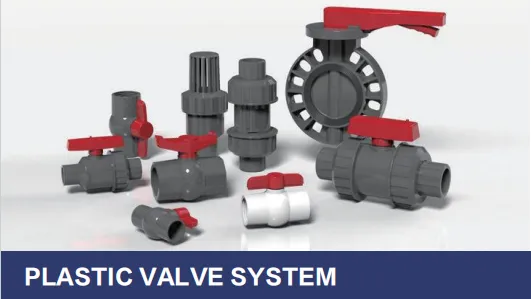
In the bustling world of construction and plumbing, the choice of materials can make or break a project. From residential complexes to commercial skyscrapers, every structure relies on efficient, durable systems to keep water flowing, waste draining, and operations running smoothly. At the heart of these systems lie plastic valve systems—unassuming yet critical components that regulate flow, pressure, and safety. Among the most widely used options are PVC (Polyvinyl Chloride) and PPR (Polypropylene Random Copolymer) valve systems. For plastic valve system supplier and contractors alike, understanding the nuances between these two materials isn't just about product knowledge; it's about delivering solutions that align with project goals, budget constraints, and long-term reliability.
As a building material supplier catering to markets like Saudi Arabia, where extreme temperatures and rigorous safety standards are the norm, the stakes are even higher. Clients don't just ask for "valves"—they demand systems that withstand scorching summers, resist corrosion, and meet strict fire safety codes. Whether you're a residential building materials supplier working on a family home or a commercial building materials supplier managing a hospital project, knowing when to recommend PVC over PPR (or vice versa) can set you apart as a trusted advisor. Let's dive into the details: what makes these materials unique, where they excel, and how to choose the right one for any job.
Before we compare, let's clarify what we're talking about. Both PVC and PPR are thermoplastic materials, meaning they can be melted and reshaped when heated, then solidify when cooled—making them ideal for manufacturing pipes, fittings, and valves. But their chemical structures and properties differ significantly, leading to distinct use cases.
PVC, or Polyvinyl Chloride, is a synthetic plastic polymer known for its rigidity, affordability, and resistance to moisture. Developed in the 1920s, it has become a staple in plumbing, particularly for drainage, waste, and vent (DWV) systems. PVC valve systems are often paired with pvc dwv pipe supplier offerings, as they excel in carrying wastewater, rainwater, and other non-potable liquids. They're also common in cold water supply lines, irrigation systems, and even electrical conduit applications.
There are several types of PVC, including uPVC (unplasticized PVC), which is stiffer and more chemical-resistant than its plasticized counterpart. upvc pipe supplier products, for example, are widely used in pressure piping systems for cold water, thanks to their strength and low cost. When it comes to valves, PVC options include ball valves, gate valves, and check valves, all designed to handle low to moderate pressure and temperatures.
PPR, short for Polypropylene Random Copolymer, is a newer player in the plastic valve game, gaining popularity in the late 20th century for its superior heat resistance and flexibility. Unlike PVC, which is rigid, PPR has a degree of elasticity, making it less prone to cracking under thermal expansion. This property makes it a favorite for hot water systems, where temperatures can fluctuate between 40°C (104°F) and 95°C (203°F)—a range where many other plastics would degrade over time.
PPR valve systems are typically sold alongside ppr pipe and fitting supplier products, as they're designed to work seamlessly with PPR pipes. The "random copolymer" part of the name refers to the way polymer chains are arranged, which enhances flexibility and impact resistance compared to standard polypropylene. For residential plumbing, where hot water demand is constant (showers, dishwashers, washing machines), PPR valves offer peace of mind: they won't warp under heat, and their smooth inner surfaces reduce the risk of clogs from mineral buildup.
To truly grasp which material is right for a project, let's break down their performance across critical categories. The table below compares PVC and PPR valve systems based on factors that matter most to suppliers and contractors:
| Feature | PVC Valve Systems | PPR Valve Systems |
|---|---|---|
| Material Composition | Polyvinyl Chloride (may contain plasticizers in flexible variants) | Polypropylene Random Copolymer (no plasticizers) |
| Temperature Resistance | Best for cold water (up to 40°C/104°F); rigid PVC can warp above 60°C/140°F | Handles hot water (up to 95°C/203°F) and repeated temperature cycles |
| Chemical Resistance | Resistant to acids, alkalis, and most solvents; ideal for drainage/wastewater | Resistant to household chemicals but less so to strong acids/alkalis |
| Installation | Joined via solvent cement (requires drying time); rigid pipes may need supports | Heat-fused (no solvents); faster installation with proper equipment |
| Cost | More affordable upfront (30-50% lower than PPR) | Higher initial cost but lower long-term maintenance |
| Durability | Prone to brittleness in cold climates; can crack under impact | Flexible and impact-resistant; withstands freezing temperatures better |
| Typical Suppliers | pvc dwv pipe supplier , upvc pipe supplier , general plastic valve system supplier | ppr pipe and fitting supplier , specialized plumbing suppliers |
| Best For | Drainage systems, cold water supply, irrigation, electrical conduit | Hot/cold water plumbing, residential kitchens/bathrooms, hospitals |
This table tells a clear story: PVC is the budget-friendly workhorse for cold, non-potable applications, while PPR shines in high-temperature, potable water systems. But real-world scenarios are rarely black and white. Let's explore their practical applications in more depth.
No single material is a one-size-fits-all solution. The best one-stop architectural solution provider knows to match the product to the project's specific needs. Here's how PVC and PPR play out in common construction scenarios:
Walk into any construction site, and you'll likely see stacks of PVC pipes labeled "DWV"—short for Drain, Waste, Vent. As a pvc dwv pipe supplier will confirm, these systems are the backbone of any building's wastewater management. Why? PVC's chemical resistance makes it impervious to the harsh mix of detergents, food scraps, and even mild acids that flow through drains daily. In Saudi Arabia, where municipal water supplies are treated with chlorine, PVC valves won't corrode or degrade over time, ensuring decades of leak-free performance.
PVC also dominates in cold water supply lines for non-critical applications, like irrigation for landscaping around commercial buildings. Its rigidity means it can handle moderate water pressure without flexing, and its low cost makes it ideal for large-scale projects where budget is a priority. For example, a residential building materials supplier working on a 50-unit apartment complex might recommend PVC for the main cold water lines to keep costs down, while upgrading to PPR for individual units' hot water connections.
However, PVC has limits. In regions with extreme cold, like mountainous areas of Saudi Arabia, unprotected PVC pipes can become brittle and crack if water freezes inside them. Similarly, using PVC for hot water lines is a recipe for disaster: the material softens at high temperatures, leading to warped valves and leaks. For these cases, PPR is the safer bet.
Imagine a hospital in Riyadh, where hot water is needed 24/7 for handwashing, sterilization, and patient care. Here, a class a fireproof cpl inorganic board for hospital and school supplier might focus on wall panels, but the plumbing system demands equal attention. PPR valve systems thrive in such environments because they can handle the constant heat (up to 95°C) without deforming. Unlike PVC, which relies on solvent cement that can degrade under heat, PPR valves are joined via heat fusion—a process that creates a molecular bond between pipes and fittings, eliminating weak points.
Residential projects also benefit from PPR's versatility. A family home with a solar water heater, for instance, needs valves that can withstand water temperatures reaching 80°C. PPR's flexibility also reduces noise: unlike rigid PVC, which can transmit the sound of water rushing through pipes, PPR absorbs vibrations, making it a favorite for luxury apartments where quiet is a selling point. As a ppr pipe and fitting supplier will note, modern PPR systems even come in color-coded variants—red for hot water, blue for cold—to simplify installation and reduce errors.
The tradeoff? Cost. PPR valves and pipes are typically 30-50% more expensive than PVC upfront. For clients on a tight budget, this can be a dealbreaker. But smart suppliers frame it as an investment: PPR's longer lifespan (up to 50 years vs. PVC's 25-30 years) and lower maintenance costs often offset the initial price tag. In commercial settings like hotels, where downtime from plumbing repairs can cost thousands in lost revenue, PPR's reliability becomes priceless.
While standard PVC and PPR dominate most projects, specialized variants cater to unique needs. For suppliers, stocking these options can open doors to niche markets and set you apart from competitors.
Unplasticized PVC, or uPVC, is a sturdier cousin of standard PVC. As a upvc pipe supplier will explain, uPVC lacks the plasticizers that make some PVC flexible, resulting in a material that's stronger, more rigid, and better suited for pressure applications. uPVC valve systems are common in municipal water supply lines, where they handle higher pressures than standard PVC. They're also popular in coastal areas of Saudi Arabia, where saltwater corrosion is a concern—uPVC's smooth surface resists mineral buildup and rust, reducing the need for frequent cleaning.
For projects demanding the best of both worlds—PPR's heat resistance and metal's strength—there's PPR-AL-PPR: a composite pipe with a layer of aluminum sandwiched between PPR. This hybrid system reduces thermal expansion, making it ideal for large commercial buildings where pipe movement could stress valves and fittings. While less common than standard PPR, it's a premium option that commercial building materials supplier can offer to clients prioritizing long-term durability over cost.
As a contractor or project manager, selecting the right plastic valve system supplier is just as critical as choosing the material itself. Not all suppliers are created equal, and in markets like Saudi Arabia, where quality standards are non-negotiable, due diligence is key. Here are the top factors to consider:
Look for suppliers whose products meet international standards like ISO 9001 (quality management) and local regulations, such as Saudi Arabia's SASO (Saudi Standards, Metrology, and Quality Organization) certifications. For hospital or school projects, valves should comply with fire safety codes—similar to how a class a fireproof cpl inorganic board for hospital and school supplier ensures their products meet flame resistance standards. A reputable plastic valve system supplier will readily provide test reports and certificates, proving their valves can withstand the conditions they're marketed for.
A one-stop architectural solution provider should offer more than just valves—they should stock complementary products like pipes, fittings, and tools to streamline your supply chain. For example, if you need PPR valves for a residential project, a supplier who also offers ppr pipe and fitting supplier services can save you time and shipping costs. Additionally, customization options—like valves with unique pressure ratings or special coatings—can be a game-changer for complex projects. Don't hesitate to ask if they can tailor products to your needs.
Even the best products fail without proper installation. A reliable supplier should offer technical support, such as training for your team on heat fusion techniques for PPR or solvent cement application for PVC. After-sales service is equally important: if a batch of valves arrives damaged or fails prematurely, the supplier should replace them promptly. In Saudi Arabia's fast-paced construction industry, delays can cost millions, so choose a partner with a proven track record of responsiveness.
Despite their widespread use, PVC and PPR valve systems are surrounded by myths that can cloud decision-making. Let's set the record straight:
While early PVC contained lead-based stabilizers (which are now banned), modern PVC valves for potable water use food-grade additives that meet health standards like NSF/ANSI 61. As long as you source from a reputable plastic valve system supplier , PVC is safe for cold drinking water systems. That said, PPR is still preferred for hot water, as high temperatures can cause trace chemicals to leach from some PVC formulations.
It's true that PPR has a higher upfront cost, but its longevity often makes it cheaper in the long run. For example, a family home using PPR valves will likely avoid costly repairs due to heat-related leaks, while a PVC system might need valve replacements every 15-20 years. As a residential building materials supplier , framing PPR as an investment in "peace of mind" can help clients see past the initial price tag.
This couldn't be further from the truth. Low-quality PVC valves may use recycled plastic, leading to brittleness and leaks. Similarly, subpar PPR may have inconsistent wall thickness, causing weak points under pressure. Always ask for samples and test reports—reputable suppliers will happily oblige.
As sustainability and innovation take center stage, the plastic valve industry is evolving. For suppliers, staying ahead of these trends can help you anticipate client needs and adapt your product lineup:
With global pressure to reduce plastic waste, manufacturers are developing recycled and biodegradable variants of PVC and PPR. Look for suppliers investing in green technologies, such as PVC valves made from recycled content or PPR derived from renewable resources. In Saudi Arabia, where sustainability is becoming a key focus of Vision 2030, offering eco-friendly options can attract government contracts and environmentally conscious clients.
The rise of smart buildings is driving demand for "intelligent" valves equipped with sensors that monitor flow, pressure, and temperature in real time. These valves can alert maintenance teams to leaks or blockages before they escalate, reducing downtime and repair costs. While still niche, this technology is poised to grow—and suppliers who partner with tech-forward manufacturers will be first to market.
At the end of the day, there's no "better" material between PVC and PPR—only the right material for the job. For plastic valve system supplier operating in dynamic markets like Saudi Arabia, success hinges on understanding the strengths, limitations, and applications of each. Whether you're recommending PVC for a budget-friendly drainage project or PPR for a hospital's hot water system, your ability to align products with client needs will build trust and drive repeat business.
As a one-stop architectural solution provider , remember that valve systems are just one piece of the puzzle. Clients rely on you to integrate these components with other materials—from mcm flexible cladding stone wall panel solutions to class a fireproof cpl inorganic board for hospital and school solutions —to create cohesive, functional spaces. By mastering the details of PVC and PPR, you're not just selling products; you're building a reputation as a partner who delivers solutions that stand the test of time.
So, the next time a client asks, "PVC or PPR?" you won't just answer—you'll explain why. And that's the difference between being a supplier and being a trusted expert.
Recommend Products












