
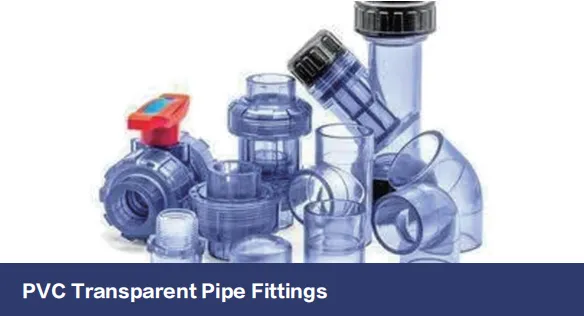
Picture this: You're walking through an industrial facility when suddenly you notice something different. Instead of the usual maze of opaque metal pipes, you see crystal-clear pathways where air flows visibly like liquid glass. Welcome to the world of PVC transparent pipe fittings – the unsung heroes transforming pneumatic systems across industries.
These see-through connectors aren't just for show. Imagine catching a contamination issue before it wrecks your entire production line. Or spotting that tiny air leak the moment it happens instead of after your energy bill skyrockets. That's the real magic of transparent PVC fittings – they turn guesswork into visibility.
Let's be real – you wouldn't drive a car with blacked-out windows, so why run pneumatic systems blind? Transparent fittings give you a front-row seat to what's happening inside your air lines:
You wouldn't buy work boots without checking the fit, right? Same goes for fittings. Here's what really matters beyond the see-through factor:
Size Isn't Just Size: Going with DE20 fittings (that's 1/2" for us non-metric folks) for your high-volume compressor lines? Bad news. Match diameters to your flow needs – cramming high-pressure air through tiny fittings is like breathing through a coffee stirrer.
Pressure Personality: That little PN16 rating stamped on fittings? It's not decoration. It means 16 bars of pressure tolerance – roughly 230 PSI. Exceed that and you're playing Russian roulette with your air lines.
Chemical Compatibility: Think all air is equal? Think again. Moisture, oil mist, even rogue cleaning sprays can degrade cheap PVC. Quality transparent fittings laugh at these challenges thanks to proper stabilization.
Temperature Tolerance: Workshops aren't climate-controlled museums. From freezing loading docks to sweltering machinery rooms, your fittings need to handle -10°C to 60°C without cracking or fogging up. Anything less is asking for trouble.
Here's where transparent pipe system accessories become superheroes. At a snack plant, dusty air was fouling up packaging machines. Opaque pipes hid the problem until machines jammed. Switching to transparent fittings changed everything.
Maintenance crews could now spot dust accumulation as it happened. Instead of waiting for breakdowns, they scheduled cleaning during shift changes. Downtime dropped 62%, and the quality control manager finally stopped pulling his hair out.
Don't just grab random connectors – each fitting type solves specific problems:
Let's cut through the theory – here's how the pros handle transparent fittings:
Cutting Matters: Ragged pipe ends create turbulence you can actually see through clear fittings. Use dedicated cutters – that hacksaw in your toolbox isn't cutting it (pun intended).
Deburring Is Non-Negotiable: Those microscopic plastic whiskers you ignore? They trap contaminants like flypaper. Clear fittings will show you the build-up over time.
Solvent Cement Secrets: Apply too much cement and it oozes into viewing areas. Apply too little and leaks appear. The sweet spot? A uniform bead that just kisses the pipe end.
Alignment Tricks: When joining pipes, make a reference mark. Misalignment shows as swirling patterns in clear fittings – cool to watch but terrible for efficiency.
Transparency doesn't mean maintenance-free – it means smarter maintenance. Try this routine:
The Weekly Glance: Walk your lines. Looking for color changes (yellowing = UV damage), white streaks (stress fractures starting), or flow differences at junctions.
The Quarterly Deep Look: Shut down sections and inspect fittings internally with a bright light. Corrosion starts at connection points – catch it before leaks develop.
The Annual Pressure Test: Bump pressure 10% above normal while watching fittings. Existing micro-cracks will reveal themselves instantly.
Yeah, transparent fittings cost more upfront. But let's talk real savings:
A regional bakery chain replaced opaque fittings plant-wide. Within months, they'd:
The fittings paid for themselves in under six months. Try getting that ROI from regular pipes.
Where is this going? Smart factories are integrating transparent fittings with cameras and AI. Systems that automatically flag flow anomalies before humans notice. Self-diagnosing air circuits that report maintenance needs.
The humble clear fitting is becoming the eyes of Industry 4.0. And plants still using opaque pipes? They're essentially running blindfolded.
Final Thought: In pneumatics, visibility equals control. When you can see your air flow, you understand it. When you understand it, you optimize it. And optimized systems don't just save money – they create competitive advantages. That's the transparent truth about modern pneumatic systems.
Recommend Products












