
A Comprehensive Guide for Homeowners, Electricians, and Project Managers
When you walk into a modern home, what do you notice first? The sleek kitchen cabinets, the warm wooden flooring, or the bright lighting? Chances are, you don't think about the hidden elements that make all these features work—like the electrical cables running behind the walls, under the floors, and through the ceilings. These cables are the silent backbone of any residential space, carrying power to every outlet, light fixture, and appliance. And among the various types of electrical cables used in homes today, PVC insulated electrical cables stand out as a reliable, safe, and cost-effective choice.
As a homeowner planning a renovation, an electrician selecting materials for a new build, or a project manager overseeing a residential development, understanding why PVC insulated cables are a go-to option is crucial. In this guide, we'll dive deep into everything you need to know about these essential components—from their basic structure and key benefits to how to choose the right one for your project. Plus, we'll explore how a one-stop architectural solution provider like Coloria can simplify your wiring needs, especially if you're operating in regions like Saudi Arabia, where local expertise and global quality standards matter most.
Let's start with the basics. PVC, or Polyvinyl Chloride, is a synthetic plastic polymer known for its durability, flexibility, and resistance to moisture and chemicals. When used as insulation for electrical cables, it forms a protective layer around the conductive cores (usually made of copper or aluminum), preventing electrical leaks, short circuits, and damage from external factors.
Think of it like a jacket for the cable: just as a good jacket protects you from rain and wind, PVC insulation shields the conductive wires from moisture, dust, and physical wear and tear. But unlike a jacket, this "protective layer" also has to meet strict safety standards to ensure it doesn't catch fire easily or release toxic fumes in case of overheating. That's why reputable manufacturers, including those partnered with leading residential building materials supplier companies, invest heavily in testing and certifying their PVC cables.
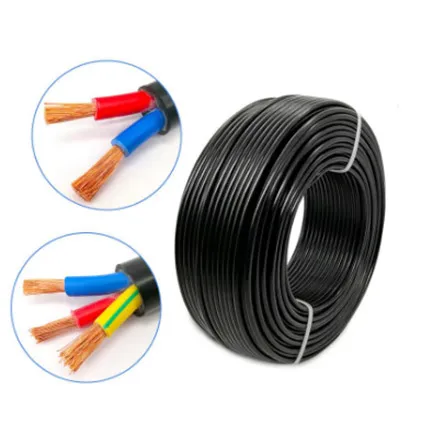
Most PVC insulated electrical cables for residential use have a simple yet effective structure:
This layered design ensures that the cable can handle the electrical load of household appliances while staying safe and durable for decades.
You might be wondering: with so many insulation materials available (like rubber, XLPE, or Teflon), why is PVC the top choice for most homes? Let's break down the key reasons:
Safety is non-negotiable when it comes to electrical wiring in homes. PVC insulation is inherently flame-retardant, meaning it resists catching fire even when exposed to high temperatures. In the rare case that it does burn, modern PVC compounds are formulated to emit low smoke and toxic gases, which is critical for giving occupants time to evacuate in an emergency. This is especially important in residential settings, where families—including children and the elderly—spend most of their time.
Homes are built to last, and so should their wiring. PVC insulated cables are resistant to moisture, chemicals, and UV radiation, making them suitable for both indoor and outdoor residential applications (though outdoor use may require additional sheathing). Unlike some organic materials, PVC doesn't rot, degrade, or become brittle easily, even when installed in damp areas like basements or bathrooms. This durability translates to fewer replacements over the years, saving homeowners money in the long run.
Anyone who's worked with rigid electrical cables knows how frustrating installation can be—especially in tight spaces like wall cavities or ceiling joists. PVC insulated cables, however, are flexible and easy to bend, allowing electricians to route them around corners and through narrow channels without damaging the insulation. This flexibility not only speeds up the installation process but also reduces the risk of kinks or breaks that could lead to electrical issues later.
Let's face it: building or renovating a home is expensive. Every material choice impacts the overall budget, and electrical wiring is no exception. PVC insulated cables are generally more affordable than alternatives like XLPE or rubber-insulated cables, making them a popular choice for homeowners and contractors looking to balance quality and cost. And because they're widely available through electrical fixtures & cables supplier networks, you won't have to wait weeks for delivery—another plus for keeping projects on schedule.
Not all PVC insulated cables are created equal. The right one for your home depends on several factors, including the type of application, the electrical load, and local building codes. Here's a step-by-step guide to making the best choice:
Residential wiring has different needs depending on what the cable is powering. For example:
Every country (and sometimes even local regions) has specific electrical codes that dictate the type of cables allowed in residential buildings. For example, in Saudi Arabia, the Saudi Standards, Metrology and Quality Organization (SASO) sets strict guidelines for electrical materials to ensure safety and compatibility with local infrastructure. Working with a saudi arabia building materials supplier who understands these regulations can save you from costly mistakes and delays.
Where will the cable be installed? This affects the type of PVC insulation needed:
| Installation Location | Recommended Cable Type | Key Considerations |
|---|---|---|
| Indoor, dry areas (walls, ceilings) | Standard PVC insulated cable (unsheathed) | Basic insulation sufficient; avoid direct sunlight. |
| Damp areas (bathrooms, kitchens) | Moisture-resistant PVC insulation with sheath | Sheath prevents water ingress; must be rated for wet locations. |
| Underground or buried in concrete | Armored PVC cable (with metal or plastic armor) | Armor protects against physical damage from digging or concrete pressure. |
| Outdoor (exterior walls, gardens) | UV-resistant PVC insulated cable with sheath | UV protection prevents insulation degradation from sunlight. |
To ensure you're getting a safe and reliable product, check for certifications from recognized bodies. Look for labels like SASO, IEC (International Electrotechnical Commission), or CE (Conformité Européenne). These certifications indicate that the cable has been tested for electrical performance, fire resistance, and durability. A trustworthy one-stop architectural solution provider will always provide certificates for their electrical products, giving you peace of mind.
Now that you know what to look for in PVC insulated cables, let's talk about how Coloria, a leading residential building materials supplier , stands out in this space. With decades of experience serving markets like Saudi Arabia and beyond, Coloria understands the unique needs of residential projects—whether it's a small apartment renovation or a large-scale housing development.
Coloria offers a comprehensive lineup of PVC insulated electrical cables tailored to residential wiring needs. Here are some of our most popular options:
As a one-stop architectural solution provider , Coloria doesn't just sell cables—we offer end-to-end support for your entire project. Here's how we add value:
To bring this all to life, let's look at a real example of how Coloria's PVC insulated cables have been used in a residential project in Saudi Arabia.
In 2024, Coloria partnered with a leading construction firm to supply electrical materials for a 500-unit residential complex in Al-Riyadh. The project required reliable, cost-effective wiring solutions that could withstand the city's hot summers (temperatures often exceeding 45°C) and meet SASO's strict fire safety standards.
Our team recommended using a combination of our Fire-Retardant PVC Cables (for common areas like stairwells and lobbies) and standard House Wiring Cables (for individual units). The FR cables were chosen for high-traffic areas to minimize fire risk, while the standard HWC cables provided an affordable solution for private living spaces.
Thanks to our local inventory in Riyadh, we were able to deliver the cables within 48 hours of the order, avoiding delays in the construction timeline. Post-completion, the complex's electrical contractor noted that the cables were "easy to strip, flexible to route, and showed no signs of degradation after months of exposure to high temperatures."
This project is just one example of how Coloria's focus on quality, local expertise, and customer support makes us a trusted partner for residential developers in Saudi Arabia and beyond.
These days, "sustainability" isn't just a buzzword—it's a critical consideration for homeowners and builders alike. With global initiatives like "Net Zero" and Saudi Arabia's 2030 Vision emphasizing environmental responsibility, choosing eco-friendly building materials has never been more important. So, how do PVC insulated cables fit into this picture?
PVC has sometimes gotten a bad rap for being "non-eco-friendly," but modern manufacturing processes have made significant strides in reducing its environmental impact. Here's why Coloria's PVC cables are a sustainable choice:
By choosing Coloria's PVC insulated cables, you're not just investing in a safe and reliable wiring solution—you're also contributing to a more sustainable future for your home and community.
We've covered a lot of ground, but you might still have questions. Here are answers to some of the most common ones we get from homeowners and contractors:
Q: How long do PVC insulated cables last in a residential setting?
A: With proper installation and maintenance, PVC insulated cables can last 30 to 50 years. Factors like exposure to extreme heat, moisture, or physical damage can shorten their lifespan, so it's important to choose the right cable for the environment and have it installed by a licensed electrician.
Q: Can PVC insulated cables be used outdoors?
A: Yes, but only if they're specifically rated for outdoor use. Look for "UV-resistant" or "weatherproof" PVC cables, which have additives to protect against sunlight and moisture. Coloria's outdoor PVC cables are tested to withstand Saudi Arabia's harsh sun and sandstorms.
Q: Are PVC cables safe for homes with children or pets?
A: Absolutely. When installed correctly (e.g., hidden behind walls or in conduit), PVC insulated cables pose no risk to children or pets. The insulation is non-toxic under normal conditions, and our fire-retardant options add an extra layer of safety in case of electrical faults.
Q: How do I know if my current home's wiring uses PVC insulated cables?
A: If your home was built or rewired after the 1980s, it's likely using PVC insulated cables. Older homes may have rubber or cloth-insulated cables, which should be replaced as they can degrade over time. A licensed electrician can inspect your wiring and advise if an upgrade is needed.
Q: Can I mix PVC insulated cables with other types of cables in my home?
A: It's generally not recommended, as different insulation materials have different heat resistance and flexibility properties. Mixing cables can lead to compatibility issues and increase the risk of electrical faults. Stick to one type of cable for your entire project, or consult an electrician for guidance.
At the end of the day, your home's electrical system is too important to cut corners on. PVC insulated electrical cables may not be the most glamorous part of your renovation or new build, but they're one of the most critical. Choosing the right cable—one that's safe, durable, and suited to your project's needs—can save you from costly repairs, ensure your home is energy-efficient, and provide peace of mind for years to come.
As a one-stop architectural solution provider with deep roots in Saudi Arabia and a commitment to sustainability, Coloria is here to simplify your residential wiring journey. Whether you need help selecting the right cable, customizing a solution, or ensuring compliance with local codes, our team is ready to support you every step of the way.
Remember: a well-wired home is a safe home, and a safe home is a happy home. Let's build yours together.
Recommend Products












