
If you've ever stood in a hardware store aisle, squinting at rows of pipes while trying to decide which one will keep your home's drains and vents working smoothly for decades, you're not alone. Choosing the right material for your Drain-Waste-Vent (DWV) system is one of those behind-the-scenes decisions that quietly shapes your daily life—whether you're dealing with a clogged sink at 7 a.m. or enjoying a peaceful shower without mysterious gurgling sounds. Today, we're diving into two of the most common options: PVC DWV pipe and galvanized steel. We'll break down their pros and cons, help you figure out which one fits your project, and even point you toward reliable suppliers who offer more than just products—they offer PVC DWV pipe solutions tailored to your needs.
Before we compare materials, let's make sure we're all on the same page. DWV stands for Drain-Waste-Vent, and it's the unsung hero of your home or building's plumbing. This system does three critical jobs: it drains wastewater from sinks, showers, and toilets; it removes waste to the sewer or septic tank; and it vents harmful gases (like methane) outside while allowing air to flow, preventing water traps from drying out and keeping drains flowing freely. Without a properly functioning DWV system, you're looking at slow drains, foul odors, and even health hazards. So, yeah—choosing the right pipe material here isn't just about saving money upfront; it's about avoiding headaches (and expensive repairs) down the line.
If you've built or renovated a home in the last 30 years, there's a good chance your DWV system uses PVC pipes. Short for polyvinyl chloride, PVC is a thermoplastic material that's revolutionized plumbing since its widespread adoption in the late 20th century. But what makes it so popular?
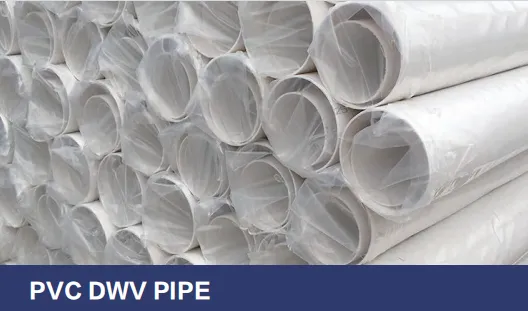
Let's start with the basics: PVC DWV pipes are made by mixing PVC resin with stabilizers, plasticizers, and pigments, then extruding the mixture into hollow tubes. The result? A lightweight, rigid pipe that's surprisingly strong for its weight. Unlike metal, PVC doesn't rust, corrode, or react with the chemicals found in wastewater (think soap scum, hair products, or even the occasional drain cleaner). That's a big deal because corrosion is one of the top causes of pipe failure in older systems.
Installation is another area where PVC shines. If you've ever tried to lift a 10-foot section of metal pipe, you'll appreciate this: PVC is lightweight . A 10-foot length of 4-inch PVC DWV pipe weighs around 10 pounds, while a similar galvanized steel pipe can tip the scales at 40 pounds or more. That means fewer workers are needed to move and install it, cutting down on labor costs. Plus, PVC is easy to cut with a simple handsaw or pipe cutter (no fancy tools required), and joining it is a breeze with solvent cement—just clean the ends, apply the cement, and twist the pipes together. The bond sets in minutes and creates a watertight seal that lasts for decades.
Cost is another win for PVC. Compared to galvanized steel, PVC DWV pipes are significantly cheaper per linear foot. And since installation is faster and requires less labor, the total project cost often ends up being 30-50% lower. For homeowners and contractors watching their budgets, that's a huge advantage.
But it's not just about the money. PVC is also quieter than metal. Ever noticed how water sounds like it's rushing through a tin can in older homes? That's galvanized steel. PVC dampens noise, so you're less likely to hear every flush or shower from across the house. And because it's a synthetic material, PVC doesn't leach any harmful substances into the water or air, making it a safe choice for both residential and commercial buildings.
Now, let's talk about the veteran in the room: galvanized steel. For much of the 20th century, galvanized steel was the go-to for DWV systems. Why? Because steel is strong—really strong. Galvanized steel pipes are made by coating carbon steel with a layer of zinc, which acts as a barrier against rust and corrosion. Back in the day, this was a game-changer compared to uncoated steel, which would rust through in a matter of years.
Galvanized steel's strength made it ideal for high-pressure applications, and its rigidity meant it could withstand heavy loads—think of a pipe running under a concrete slab or in a commercial building with lots of foot traffic. It was also widely available and familiar to plumbers, who had been working with metal pipes for generations.
But as with any older technology, galvanized steel has some drawbacks that have led to its decline in DWV systems. For starters, that zinc coating? It doesn't last forever. Over time, especially in areas with hard water or acidic wastewater, the zinc can corrode, exposing the underlying steel. Once that happens, rust starts to form, narrowing the pipe's diameter and increasing the risk of clogs. You might notice slow drains, or worse, leaks that can cause water damage to walls, floors, and ceilings.
Installation is another hurdle. Galvanized steel pipes are heavy, as we mentioned earlier, which makes them harder to transport and maneuver. Cutting them requires specialized tools like a pipe cutter or hacksaw, and joining them typically involves threading the ends (a time-consuming process that requires skill) and using pipe dope or Teflon tape to seal the connections. All of this adds up to longer installation times and higher labor costs.
Cost is also a factor. Galvanized steel pipes are more expensive per foot than PVC, and when you factor in the extra labor, the total cost can be double or more for a typical home. And let's not forget maintenance: if a galvanized steel pipe does start to corrode, repairs are tricky. Unlike PVC, which can be patched or replaced in sections, steel pipes often require cutting out large portions and rethreading, which is both time-consuming and costly.
To help you visualize the differences, let's put these two materials side by side. The table below breaks down their key features, from cost to durability to everyday performance:
| Feature | PVC DWV Pipe | Galvanized Steel Pipe |
|---|---|---|
| Material Composition | Polyvinyl chloride (PVC), a synthetic thermoplastic | Carbon steel coated with a layer of zinc (galvanization) |
| Weight | Lightweight (e.g., 10 lbs for 10ft of 4-inch pipe) | Heavy (e.g., 40+ lbs for 10ft of 4-inch pipe) |
| Installation Ease | Easy: Cut with basic tools, joined with solvent cement; fast and labor-efficient | Challenging: Requires threading, specialized cutting tools; heavy and labor-intensive |
| Cost (Per Linear Foot) | Lower ($2-$5 for 4-inch pipe) | Higher ($8-$15 for 4-inch pipe) |
| Total Installation Cost | 30-50% lower (due to lower material and labor costs) | Higher (due to higher material and labor costs) |
| Corrosion Resistance | Excellent: Resistant to rust, chemicals, and wastewater | Moderate: Zinc coating corrodes over time, leading to rust |
| Lifespan | 50-80 years (with proper installation) | 20-50 years (depending on water quality and maintenance) |
| Maintenance Needs | Low: Minimal upkeep; resistant to clogs and corrosion | High: Prone to rust and clogs; may require frequent repairs |
| Noise Level | Quiet: Dampens water flow noise | Loud: Water flow is audible through walls |
| Environmental Impact | Recyclable; lower carbon footprint due to lighter weight (less fuel for transport) | Recyclable but higher carbon footprint (mining, manufacturing, transport of heavy materials) |
| Common Applications | Residential homes, apartments, small commercial buildings, renovations | Older homes (existing systems), industrial settings with high pressure, historical restorations |
As you can see, PVC DWV pipes have a clear edge in most categories, especially when it comes to cost, installation, and long-term durability. But that doesn't mean galvanized steel is obsolete. In some cases—like historical renovations where preserving the original materials is important, or industrial settings with extreme pressure—galvanized steel might still be the better choice. For most modern homes and commercial buildings, though, PVC is the practical, cost-effective option.
So, how do you decide which material is right for your project? Let's break it down by scenario:
Choose PVC DWV Pipes if…
Choose Galvanized Steel Pipes if…
If you've decided PVC DWV is the way to go, the next step is finding a reliable supplier. But not all suppliers are created equal. The best ones offer more than just pipes—they provide PVC DWV pipe solutions that make your project run smoother, from start to finish. Here's what to look for:
1. Quality Certifications: Look for suppliers whose pipes meet industry standards, like ASTM D2665 (the standard for PVC DWV pipes in the U.S.) or EN 1453 (European standards). Certifications ensure the pipes are tested for strength, durability, and safety.
2. Range of Solutions: A good supplier should offer more than just straight pipes. They should have a full line of pipes fittings (elbows, tees, couplings, traps), as well as accessories like cleanouts and vent caps. This way, you can get everything you need from one source, saving time and reducing the risk of mismatched parts.
3. Technical Support: Even if you're a seasoned contractor, questions can come up. The best suppliers have knowledgeable staff who can help with sizing, code compliance, and installation tips. Some even offer on-site consultations or CAD drawings to help plan your system.
4. Customization Options: Every project is unique. If you need pipes in non-standard lengths, colors, or thicknesses, look for a supplier who can accommodate custom orders. This is especially important for commercial projects with specific requirements.
5. Reliable Delivery: There's nothing worse than having your project delayed because your pipes didn't arrive on time. Choose a supplier with a track record of on-time deliveries and a network of distribution centers to ensure quick shipping, even to remote areas.
6. After-Sales Support: What if a pipe is damaged during shipping, or you realize you ordered the wrong size? A reputable supplier will have a clear return policy and responsive customer service to resolve issues quickly.
In regions like Saudi Arabia, where building standards are strict and climate conditions (like high temperatures) can affect material performance, finding a local saudi arabia building materials supplier that specializes in PVC DWV pipes is especially important. These suppliers understand local codes, weather challenges, and can provide solutions tailored to the region—whether you're building a residential complex in Riyadh or a commercial tower in Jeddah.
Many top suppliers also offer additional building materials, which can be a huge convenience. For example, if you're working on a whole-house renovation, you might need flooring, wall panels, or other piping systems (like upvc pipe for water supply or ppr pipe and fitting for hot water lines). Choosing a supplier that offers a range of products can simplify your sourcing process and even lead to bulk discounts.
While DWV systems are critical, they're just one part of a building's plumbing infrastructure. If you're working with a supplier that offers a full range of building materials, you might also want to explore related solutions, like:
1. Water Supply Pipes: For delivering clean water to faucets, showers, and appliances, options like upvc pipe (lightweight and corrosion-resistant), ppr pipe and fitting (ideal for hot water), or pex pipe and fitting (flexible and easy to install in tight spaces) are popular choices.
2. Pipe Fittings and Valves: Even the best pipes need quality fittings to connect them. Look for suppliers that offer a variety of pipes fittings solutions , including elbows, tees, reducers, and valves, to ensure a leak-free system.
3. Specialty Piping: For specific applications, like agricultural irrigation or industrial processes, suppliers might offer pvc well casing and screen pipes (used in water wells) or pvc dwv pipe solutions designed for high-volume commercial buildings.
By choosing a supplier that provides these complementary products, you can streamline your project, reduce coordination efforts, and ensure all your plumbing materials work together seamlessly.
At the end of the day, choosing between PVC DWV pipe and galvanized steel comes down to balancing cost, performance, and long-term reliability. For most homeowners and contractors, PVC DWV pipes are the clear winner—offering lower costs, easier installation, and decades of trouble-free service. Galvanized steel, while strong, simply can't compete with PVC's versatility and value in modern plumbing.
And when it comes to finding the right supplier, remember: it's not just about buying pipes. It's about partnering with a company that offers PVC DWV pipe solutions —technical expertise, quality products, and support that extends beyond the sale. Whether you're building a new home, renovating an old one, or working on a commercial project, the right supplier can make all the difference in ensuring your DWV system is installed correctly, performs well, and lasts for years to come.
So, the next time you're standing in that hardware store aisle, you'll know exactly what to look for. Choose PVC DWV pipes for a system that's lightweight, affordable, and built to last—and choose a supplier that's committed to helping you succeed. Your future self (and your wallet) will thank you.
Recommend Products












