
When it comes to building and construction, the choice of materials can make or break a project's functionality, durability, and cost-effectiveness. For contractors, homeowners, and project managers, few decisions feel as critical as selecting the right piping system—after all, pipes are the unseen workhorses that keep water flowing, waste draining, and buildings operational. Among the most debated options in the piping world are PVC DWV pipes and CPVC pipes. As a building material supplier with years of experience, we often field questions like, "Which one should I use for my project?" or "Is CPVC just a better version of PVC?" The truth is, there's no one-size-fits-all answer. Both have unique strengths, limitations, and ideal use cases. In this article, we'll dive deep into the differences between PVC DWV pipes and CPVC pipes, drawing on insights from pvc dwv pipe suppliers, cpvc pipe and fitting suppliers, and industry experts to help you make an informed choice.
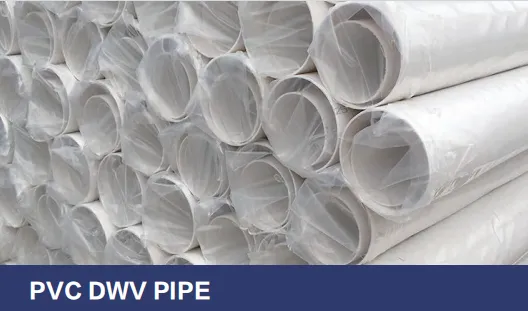
Let's start with the basics: What exactly is PVC DWV pipe? DWV stands for "Drain, Waste, and Vent," and as the name suggests, these pipes are designed specifically for carrying wastewater, sewage, and ventilation gases out of buildings. PVC, or Polyvinyl Chloride, is a synthetic plastic polymer known for its affordability, versatility, and ease of installation. For pvc dwv pipe suppliers, this material is a staple in their inventory, trusted by generations of contractors for residential and commercial drainage systems.
PVC DWV pipe begins as raw PVC resin, which is mixed with stabilizers, lubricants, and pigments to enhance its performance and appearance. The mixture is then melted and extruded through a die to form the pipe's shape, followed by cooling and cutting to length. Unlike some other piping materials, PVC DWV pipe is rigid, which gives it structural stability—an essential trait for underground or vertical drainage applications where collapse resistance matters. From a manufacturing standpoint, pvc dwv pipe suppliers emphasize that the process is efficient and scalable, allowing for consistent quality and competitive pricing.
Walk into any home under construction, and you'll likely see PVC DWV pipes snaking through the walls and under the floors. These pipes handle everything from kitchen sink drains and shower waste to toilet flushes and vent stacks that release sewer gases safely outdoors. In commercial settings, they're equally ubiquitous: think office buildings, restaurants, and retail spaces where reliable drainage is non-negotiable. A pvc dwv pipe supplier will often highlight its compatibility with standard drainage fittings, such as elbows, tees, and traps, making installation straightforward even for less experienced crews.
If PVC DWV is the go-to for drainage, CPVC (Chlorinated Polyvinyl Chloride) is its more heat-tolerant counterpart. Developed in the 1950s, CPVC is created by adding chlorine molecules to PVC resin through a process called chlorination. This chemical modification transforms the material, giving it enhanced temperature resistance and improved strength—qualities that have made it a favorite among cpvc pipe and fitting suppliers for hot water applications.
During chlorination, PVC resin is exposed to chlorine gas under high pressure and temperature, causing chlorine atoms to replace some of the hydrogen atoms in the polymer chain. This structural change increases the material's density and reduces its permeability to water, while also raising its maximum service temperature. Most CPVC pipes can handle hot water up to 200°F (93°C) continuously, a range that far exceeds standard PVC's limits. For cpvc pipe and fitting suppliers, this heat resistance is a selling point, especially in projects where hot water circulation is a key requirement.
CPVC's claim to fame is its role in hot and cold water distribution systems. Unlike PVC DWV, which is strictly for drainage, CPVC is designed to carry pressurized water—making it ideal for residential plumbing lines that deliver hot water to showers, sinks, and washing machines. It's also widely used in commercial settings like hotels, hospitals, and schools, where consistent hot water flow is critical. Some cpvc pipe and fitting suppliers even recommend it for industrial applications, such as chemical processing plants, thanks to its resistance to corrosive fluids like acids and alkalis.
To truly understand why a building material supplier might recommend PVC DWV over CPVC (or vice versa), it's essential to compare their core properties. Below is a detailed breakdown of how these two materials stack up in critical areas:
| Feature | PVC DWV Pipe | CPVC Pipe |
|---|---|---|
| Primary Use | Drainage, waste, and vent systems (non-pressurized) | Hot and cold water distribution (pressurized systems) |
| Temperature Resistance | Up to 140°F (60°C) for short periods; not suitable for hot water | Up to 200°F (93°C) continuously; handles boiling water in some cases |
| Pressure Rating | Low; designed for gravity-fed systems, not pressurized water | High; rated for pressures up to 400 psi (depending on size and temperature) |
| Chemical Resistance | Resistant to most household chemicals, acids, and alkalis | More resistant to strong acids and corrosive substances than PVC |
| Installation | Uses solvent cement; requires clean, dry surfaces and proper curing time | Similar solvent cement process, but with CPVC-specific adhesives |
| Cost | More affordable; typically 30-50% cheaper than CPVC | Higher upfront cost due to chlorination process |
| Flexibility | Rigid; limited flexibility, prone to cracking under impact | Slightly more flexible than PVC, but still rigid |
| Code Compliance | Approved for DWV systems in all major building codes | Approved for potable water systems; check local codes for temperature/pressure limits |
As the table shows, the differences are rooted in their intended purposes. PVC DWV is engineered for non-pressurized, cool-temperature applications, while CPVC is built to withstand heat and pressure. A building material supplier will often stress that using the wrong pipe for the job—like PVC DWV for hot water lines—can lead to premature failure, leaks, and costly repairs.
No material is perfect, and both PVC DWV and CPVC come with their own set of advantages and drawbacks. Let's break them down from a practical, on-the-job perspective—insights you might hear from a seasoned pvc dwv pipe supplier or cpvc pipe and fitting supplier.
At the end of the day, the question isn't "Which is better?" but "Which is better for your project?" Here's how a building material supplier might guide your decision based on common scenarios:
You're working on a drainage system: Whether it's a residential bathroom remodel, a commercial kitchen, or a new apartment complex, PVC DWV is the clear choice for drains, waste lines, and vents. A pvc dwv pipe supplier will confirm that its low cost and reliability make it unbeatable here.
Budget is a top concern: For large projects with miles of drainage pipe, the savings from choosing PVC DWV over CPVC can be substantial. This is especially true for developers building affordable housing or contractors bidding on tight budgets.
You need non-pressurized flow: Since DWV systems rely on gravity, PVC's low pressure rating isn't a drawback—it's by design. Save the higher-pressure pipes for where they're needed.
You're installing hot water lines: From residential water heaters to commercial boilers, CPVC's heat resistance makes it the only plastic pipe (aside from PEX) suitable for this job. A cpvc pipe and fitting supplier will emphasize that using anything else puts the system at risk of failure.
Pressurized water is involved: If the pipe will carry water under pressure—like in a home's main plumbing lines or a commercial sprinkler system—CPVC's high pressure rating is non-negotiable.
Chemical resistance is critical: In settings like laboratories, hospitals, or industrial facilities where pipes may come into contact with corrosive substances, CPVC's enhanced chemical durability is worth the investment.
Building codes vary by region, and both PVC DWV and CPVC must meet specific standards to be approved for use. For example, PVC DWV pipe typically adheres to ASTM D2665, while CPVC follows ASTM F441. A reputable building material supplier will ensure their products are certified to these standards, so always ask for documentation before purchasing. Ignoring code requirements can lead to failed inspections, fines, or even legal liability in the event of a failure.
Even the best pipe material will underperform if installed incorrectly. Here are some pro tips from pvc dwv pipe suppliers and cpvc pipe and fitting suppliers to ensure a successful installation:
Both PVC DWV and CPVC are known for their longevity, but their lifespans can vary based on installation quality, environment, and usage. Here's what a building material supplier might tell you about each:
When installed correctly and protected from physical damage, PVC DWV pipe can last 50 years or more. It's resistant to rot, pests, and corrosion, so underground lines are especially durable. The main threats to PVC DWV are extreme cold (which can make it brittle) and improper installation (like over-tightening clamps or using the wrong adhesives). Regular inspections for cracks or leaks—especially after construction work nearby—can help extend its life.
CPVC has a similar lifespan to PVC DWV, with an average of 50+ years in residential settings. In commercial applications with higher water temperatures or chemical exposure, it may last 30–40 years with proper maintenance. To maximize longevity, avoid exposing CPVC to UV light (cover it with insulation or paint if outdoors), and flush the system periodically to remove mineral buildup. A cpvc pipe and fitting supplier might also recommend checking for signs of scaling, which can be addressed with descaling solutions.
For both materials, maintenance is minimal but important:
In today's eco-conscious construction industry, sustainability is a growing concern for both suppliers and buyers. So, how do PVC DWV and CPVC stack up from an environmental standpoint?
PVC is a recyclable plastic, and many pvc dwv pipe suppliers now offer recycled-content options. However, the production process involves chlorine, which has raised environmental concerns in the past. Modern manufacturing has reduced these impacts, with stricter emissions controls and energy-efficient processes. Additionally, PVC DWV's long lifespan means less frequent replacement, reducing overall material consumption.
CPVC's chlorination process adds an extra step to production, which can increase its carbon footprint compared to PVC DWV. However, like PVC, it is recyclable, and its durability means fewer replacements over time. Some cpvc pipe and fitting suppliers are investing in greener production methods, such as using renewable energy or recycled resins, to offset these impacts.
Both PVC and CPVC can be recycled at facilities that accept rigid plastics. When a project involves pipe replacement, check with local recycling centers or your building material supplier—many will take back scrap pipe for recycling. Avoid sending them to landfills, where they can take centuries to decompose.
Choosing between PVC DWV pipe and CPVC pipe ultimately comes down to your project's specific needs: drainage vs. water distribution, cost vs. performance, and code requirements. But no matter which you select, the key to success is partnering with a knowledgeable building material supplier—one who can guide you through the options, provide quality products, and offer technical support when questions arise.
Whether you're a contractor working on a high-rise, a homeowner tackling a DIY remodel, or a developer managing a large project, a trusted pvc dwv pipe supplier or cpvc pipe and fitting supplier will be your best resource. They'll help you navigate sizing, codes, and installation best practices, ensuring your piping system is built to last.
So, the next time you're standing in a supplier's warehouse, staring at rows of pipes, remember: there's no "better" option—only the right option for the job. And with the insights in this article, you'll be ready to make that choice with confidence.
Recommend Products












