
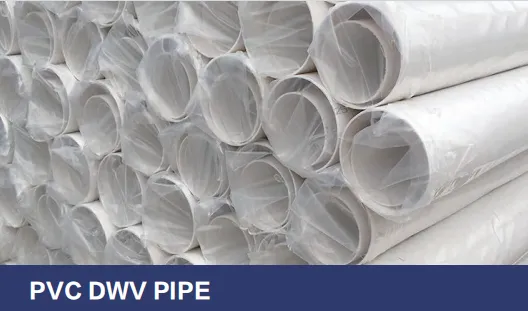
When it comes to building or renovating a property, one of the most critical decisions you'll make—often behind the scenes—involves the plumbing system. Specifically, the pipes that handle drain, waste, and vent (DWV) functions. These unsung heroes carry away wastewater, prevent harmful gases from entering living spaces, and keep your plumbing running smoothly. But with so many materials on the market, how do you choose? As a trusted pvc dwv pipe supplier with years of experience, we've seen firsthand how the choice between PVC DWV pipe and traditional copper can make or break a project's budget, timeline, and long-term performance. Today, we're pulling back the curtain to compare these two heavyweights, sharing insights that go beyond specs to real-world results. Whether you're a contractor, a property manager, or a homeowner planning a renovation, this guide will help you decide which material aligns with your needs—because when it comes to plumbing, the right choice today saves headaches tomorrow.
Before we dive into the nitty-gritty of PVC vs. copper, let's make sure we're all on the same page about DWV systems. DWV stands for Drain, Waste, and Vent—three functions that are the backbone of any plumbing setup. Drain pipes carry wastewater away from sinks, showers, and toilets. Waste pipes handle solid waste (yes, that kind) from toilets and bidets. Vent pipes, often overlooked, are equally crucial: they allow air to enter the system, preventing suction that could siphon water from traps (those U-shaped bends under sinks that keep sewer gases out of your home). Together, these pipes form a silent network that keeps your space hygienic, functional, and odor-free.
Now, the materials used for DWV pipes have evolved dramatically over the years. Cast iron was once the go-to, but its weight, cost, and susceptibility to rust made it fall out of favor. Today, two materials dominate the market: polyvinyl chloride (PVC) DWV pipe and copper. Both have loyal advocates, but they couldn't be more different in terms of performance, cost, and application. Let's start by getting to know each one.
PVC—short for polyvinyl chloride—is a synthetic plastic polymer that's been revolutionizing plumbing since the 1960s. PVC DWV pipe is specifically engineered for drain, waste, and vent applications, with a smooth inner surface that minimizes clogs and maximizes water flow. It's made by combining vinyl chloride monomers with stabilizers and additives to enhance strength, heat resistance, and durability. Most PVC DWV pipes adhere to strict industry standards, such as ASTM D2665 (for schedule 40 and 80 PVC pipe) or ASTM D3034 (for sewer and drain pipe), ensuring consistency and reliability across manufacturers.
As a pvc dwv pipe supplier , we often highlight PVC's versatility. It comes in a range of diameters (from 1.5 inches for sinks to 12 inches or more for main drains) and lengths, and it's lightweight—so lightweight that a single worker can easily carry a 10-foot section. This makes it a favorite for both residential and commercial projects, especially where speed and ease of installation are priorities. Plus, PVC DWV pipe is inherently resistant to corrosion, rust, and chemical damage from common household cleaners, which is a big win for longevity.
Copper, on the other hand, is plumbing royalty. For over a century, copper pipes have been the gold standard in residential and commercial construction, prized for their strength, reliability, and natural antimicrobial properties. Unlike PVC, copper is a metal—specifically, a ductile metal that can be bent, shaped, and soldered into custom configurations. Most copper DWV pipes are made from Type L or Type M copper: Type L is thicker and more durable (often used for water supply lines, but suitable for DWV in high-stress areas), while Type M is thinner and more affordable, making it a common choice for DWV systems.
Copper's reputation is built on its longevity. When properly installed and maintained, copper pipes can last 50 to 100 years—sometimes even longer in ideal conditions. It's also resistant to high temperatures, which is why it's often used in systems where hot water flows (though DWV systems primarily handle room-temperature wastewater). For many contractors and homeowners, copper represents tradition and trust; it's the material they grew up with, and its solid, weighty feel inspires confidence.
Now, let's roll up our sleeves and compare these two materials across the factors that matter most to you: durability, installation, cost, maintenance, and more. We'll break it down feature by feature, so you can see exactly how they stack up.
| Feature | PVC DWV Pipe | Copper Pipe |
|---|---|---|
| Material Composition | Synthetic plastic polymer (PVC) with additives | 99.9% pure copper (Type L or M) |
| Average Lifespan | 25–40 years (with proper installation) | 50–100+ years |
| Installation Method | Solvent cement (gluing) with primer; no special tools needed | Soldering (requires torch, flux, solder, and skilled labor) |
| Material Cost (Per Linear Foot)* | $0.50–$2.00 | $2.50–$8.00 |
| Labor Cost (Per Hour)* | $40–$60 (faster installation) | $60–$100 (requires specialized skills) |
| Temperature Resistance | Up to 140°F (60°C); risk of warping above 150°F | Up to 400°F (204°C); suitable for high-temperature applications |
| Chemical Resistance | Resistant to most household chemicals, acids, and alkalis | Vulnerable to corrosion from acidic water (pH < 6.5) or chemicals like ammonia |
| Noise Level | Quieter; smooth interior reduces water flow noise | Noisier; metal amplifies water flow and waste movement |
| Weight (Per Linear Foot, 2" Diameter) | ~0.5 lbs | ~1.2 lbs (Type M); ~1.8 lbs (Type L) |
| Recyclability | Recyclable, but process is energy-intensive; often downcycled | 100% recyclable; retains value as scrap metal |
*Costs are approximate and vary by region, pipe diameter, and market conditions.
When it comes to longevity, copper has a clear edge. A well-installed copper DWV system can easily outlive the building it's in—we've seen copper pipes from the 1920s still functioning perfectly in historic homes. Copper is resistant to physical damage (it can bend without breaking) and, when protected from acidic water, rarely corrodes. Its Achilles' heel? Water with a pH below 6.5 (acidic) or above 8.5 (alkaline), which can cause pitting or corrosion over time. In areas with harsh water, copper pipes may need protective liners or regular pH testing.
PVC DWV pipe, while not as long-lived as copper, still offers impressive durability for its price. Most manufacturers warranty PVC DWV pipe for 25 years, but in practice, it can last 30–40 years if installed correctly and not exposed to extreme heat or physical trauma. PVC is immune to rust and corrosion, which is a huge advantage over metal pipes. However, it's more susceptible to damage from impact (a heavy tool dropped on a PVC pipe can crack it) and extreme temperatures. Expose PVC to sustained heat above 140°F (say, near a furnace or water heater) and it may warp or soften, leading to leaks. Freezing temperatures can also be a problem: while PVC is less likely to burst than copper in a freeze, the plastic can become brittle in cold weather, making it prone to cracking if disturbed.
Installation is where PVC DWV pipe really shines, especially for contractors and homeowners looking to save time and labor costs. Installing PVC is straightforward: cut the pipe to length with a hacksaw or PVC cutter (no special tools needed), deburr the edges, apply primer (to clean and soften the plastic), then apply solvent cement and twist the pipe into the fitting. Hold it for 30 seconds, and you've got a bond that's stronger than the pipe itself. The whole process takes minutes per joint, and even novice DIYers can master it with a little practice.
Copper installation, on the other hand, is an art form. To join copper pipes, you need to solder them—a process that involves cleaning the pipe and fitting, applying flux (a chemical that prevents oxidation), heating the joint with a propane torch, and feeding solder into the gap. If the temperature is too low, the solder won't flow; too high, and you risk melting the pipe or damaging nearby materials (like drywall or insulation). It's a skill that takes years to perfect, which is why plumbers charge a premium for copper work. Even small mistakes—like a cold solder joint—can lead to leaks down the line, making copper installation less forgiving than PVC.
Another factor to consider: weight and handling. PVC pipes are lightweight—even a 10-foot section of 4-inch PVC weighs less than 10 pounds—so one person can carry and install them alone. Copper, by contrast, is dense and heavy; a 10-foot section of 4-inch Type L copper weighs over 30 pounds, requiring two people to maneuver. This can slow down installation, especially in tight spaces like crawlspaces or attics.
Let's talk numbers—because for most projects, cost is a deciding factor. When it comes to material costs alone, PVC DWV pipe is a clear winner. On average, PVC costs $0.50 to $2.00 per linear foot, depending on diameter and schedule (thickness). Copper, by comparison, ranges from $2.50 to $8.00 per linear foot—five to ten times more expensive for the raw material. For a typical 2,000-square-foot home with 100 linear feet of DWV piping, that's a material cost difference of $200–$2,000 for PVC vs. $250–$8,000 for copper. Ouch.
But material costs are just part of the equation. Labor costs can tip the scales even further in PVC's favor. Because PVC is faster and easier to install, labor rates are lower: $40–$60 per hour for a plumber or handyman. Copper installation requires a skilled solderer, who may charge $60–$100 per hour—and the work takes longer. For that same 100-foot home, PVC labor might cost $800–$1,200, while copper could run $1,500–$3,000. When you add it all up, a PVC DWV system can cost 50–70% less than a copper one. That's a massive savings, especially for budget-conscious projects or large commercial builds.
Of course, cost shouldn't be the only consideration. If you're building a luxury home or a historic property where longevity and tradition matter, copper's higher upfront cost might be worth it. But for most residential and commercial projects, PVC's affordability makes it the practical choice.
Once installed, how much attention will your DWV pipes need? PVC is often called "maintenance-free," and for good reason. Its smooth inner surface resists clogs (though hair and grease can still build up in drains—no pipe is magic!), and it's impervious to rust, corrosion, and mineral deposits. The only real maintenance concern is avoiding physical damage: don't hang heavy items from PVC pipes, and keep them away from sharp tools or high heat sources. If a clog does occur, PVC pipes can handle plungers, drain snakes, and chemical drain cleaners (just follow the manufacturer's instructions to avoid damaging the pipe).
Copper pipes, while durable, require a bit more TLC. Over time, mineral deposits (like limescale) can build up inside copper pipes, narrowing the diameter and reducing water flow. In areas with hard water, this can lead to clogs or reduced efficiency. Copper is also vulnerable to corrosion from acidic water or chemicals. For example, if you pour bleach or ammonia down a copper drain regularly, it can eat away at the pipe's interior. And while copper is strong, it's not invincible: freezing temperatures can cause copper pipes to burst, which is a costly repair. Regular inspections—checking for greenish corrosion (patina) or pinhole leaks—are a good idea for copper systems, especially in older homes.
Here's a factor many people don't consider until they move into a new space: how much noise do the pipes make? PVC DWV pipes have a smooth, non-porous interior that dampens water flow noise. When you flush a toilet or run a sink, the water moves quietly through the PVC, making it a great choice for bedrooms, home offices, or any space where peace and quiet are priorities. Some manufacturers even offer "quiet" PVC pipes with thicker walls or foam insulation for extra sound reduction.
Copper, being a metal, is a natural conductor of sound. Water rushing through copper pipes can create a clanging or gurgling noise that echoes through walls and ceilings. This is especially noticeable in multi-story homes, where pipes run vertically between floors. To reduce noise, copper systems often require additional insulation (like foam pipe sleeves), which adds to the cost and installation time. If you've ever stayed in an older apartment and heard every flush from the unit above, chances are those were copper DWV pipes.
Modern homes and buildings often have limited space for plumbing—think narrow walls, tight crawlspaces, or overhead joists with little clearance. PVC's lightweight and flexibility make it a dream for these scenarios. Since PVC pipes are lighter, they're easier to maneuver into tight spots, and their smooth exterior means they can be installed closer to walls or other pipes without risk of damage. PVC also comes in a variety of shapes, including elbows, tees, and wyes, which can be glued together to navigate around obstacles like beams or electrical wiring.
Copper's weight and rigidity can make installation in tight spaces a challenge. A 10-foot section of 3-inch copper pipe weighs over 20 pounds, which is hard to hold steady while soldering. Copper pipes also require more clearance for installation: soldering a joint in a tight corner is tricky, and the torch flame needs space to avoid igniting nearby materials (like wood or insulation). In historic buildings with shallow wall cavities, copper's thickness (especially Type L) might not fit, requiring expensive wall modifications.
Now that we've compared the features, let's talk about applications. There's no one-size-fits-all answer—each material has situations where it shines brightest. Here's how to decide:
In today's world, environmental impact is more than just a buzzword—it's a critical factor in material selection. So, how do PVC and copper stack up in terms of sustainability?
Let's start with PVC. The production of PVC involves fossil fuels (since it's a plastic), and the manufacturing process releases greenhouse gases. However, PVC is lightweight, which reduces transportation emissions (less fuel is needed to ship PVC pipes than heavy copper ones). PVC also has a long lifespan (25–40 years), which means fewer replacements and less material waste over time. When it comes to recycling, PVC can be recycled, but the process is more complex than recycling metals. Most PVC waste ends up in landfills, though some companies are working on more efficient recycling methods for plastic pipes.
Copper, on the other hand, is a natural resource that's 100% recyclable without losing quality. In fact, over 80% of the copper used today comes from recycled sources, which requires far less energy than mining new copper. Copper pipes also have a much longer lifespan, which reduces the need for frequent replacements. However, copper mining and extraction are energy-intensive processes that can have environmental impacts, including soil and water pollution. Additionally, copper's weight increases transportation emissions—shipping a truckload of copper pipes requires more fuel than shipping the same length of PVC.
So, which is greener? It depends on your priorities. If recyclability and longevity are key, copper has the edge. If you're focused on reducing transportation emissions and upfront energy use, PVC might be the better choice. Ultimately, the most sustainable option is the one that lasts the longest in your specific application—minimizing the need for replacement is always eco-friendly.
As a pvc dwv pipe supplier , we interact with contractors, builders, and homeowners every day, and their feedback gives us a unique perspective on how PVC and copper perform in the real world. Here are some of the most common questions we get, and what we tell our clients:
We hear this a lot, especially from homeowners who grew up with copper pipes. The short answer: yes, when installed correctly. We've supplied PVC DWV pipe for projects over 20 years ago that are still going strong. The key is proper installation: using the right primer and cement, ensuring joints are clean and dry, and avoiding over-tightening (which can crack the pipe). We always provide installation guides and even offer on-site support for large projects to ensure our pvc dwv pipe solutions perform as expected.
Great question! For some clients, it's about tradition: they've used copper for decades and trust it implicitly. For others, it's about local building codes. For example, we work with clients in historic districts where copper is required to maintain the property's original aesthetic. And in areas with aggressive soil or water conditions, copper's resistance to corrosion (when properly protected) can make it a smarter long-term investment. We never push one material over the other—instead, we ask questions about their project goals, budget, and location, then recommend the best fit.
Absolutely! One of the advantages of PVC is its versatility, and we pride ourselves on providing pvc dwv pipe solutions tailored to our clients' needs. Need a custom length to fit a tricky space? We can cut pipes to size. Working on a high-rise and need large-diameter pipes? We stock sizes up to 12 inches. Have questions about code compliance? Our team stays up-to-date on local and national plumbing codes, so we can help you choose the right pipe for your area. At the end of the day, our job isn't just to sell pipes—it's to solve problems.
At the end of the day, the choice between PVC DWV pipe and copper comes down to your unique needs: your budget, timeline, local codes, environmental priorities, and long-term goals. PVC is the affordable, easy-to-install workhorse that's perfect for most residential and commercial projects. Copper is the timeless, durable option for those who value longevity, tradition, or specific performance requirements.
As a pvc dwv pipe supplier , we're proud to offer high-quality PVC solutions that balance performance, cost, and reliability. But we also recognize that copper has its place—and we're happy to help you explore that option too. The most important thing is that you feel confident in your choice, knowing you've weighed all the factors and selected the material that will keep your plumbing system running smoothly for years to come.
So, whether you're building a new home, renovating a commercial space, or simply replacing old pipes, take the time to evaluate your needs, ask questions, and consult with experts. After all, your DWV system is the unsung hero of your property—give it the attention it deserves, and it will reward you with decades of trouble-free service.
Recommend Products












