
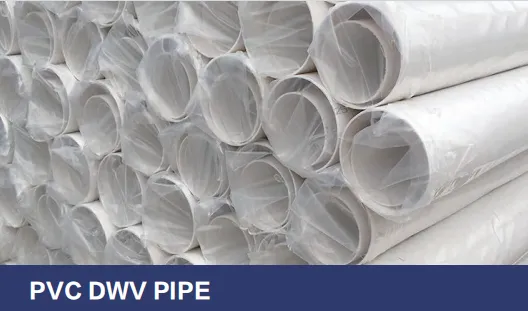
Imagine starting a construction project—whether it's a cozy residential home, a bustling commercial complex, or a critical infrastructure development. Behind every wall, under every floor, and within every ceiling, there's a network of materials working silently to ensure the structure stands strong, functions smoothly, and meets safety standards. Among these unsung heroes? PVC DWV pipes. Short for Drainage, Waste, and Vent, these pipes are the circulatory system of any building, carrying away wastewater, preventing clogs, and ensuring proper ventilation to keep spaces healthy and habitable.
But here's the thing: Even the best PVC DWV pipes are only as reliable as the partner who gets them to your site. In the building materials industry, two key players often enter the conversation: suppliers and distributors. At first glance, they might seem interchangeable—after all, both provide materials. But dig deeper, and you'll find their roles, strengths, and limitations are worlds apart. Choosing between a PVC DWV pipe supplier and a distributor can mean the difference between a project that stays on budget, meets deadlines, and avoids costly mistakes, versus one that's plagued by delays, subpar materials, or miscommunication.
In this article, we'll break down the nuances of these two roles, explore why understanding them matters, and help you decide which is the better fit for your next project. We'll also touch on how a trusted building material supplier might go beyond just selling pipes to offer comprehensive PVC DWV pipe solutions —because in construction, success isn't just about the product; it's about the support that comes with it.
Let's start with the source: the supplier. When we talk about a PVC DWV pipe supplier , we're typically referring to a company that is directly involved in the production or manufacturing of the pipes themselves. These are the folks who oversee the entire lifecycle of the product, from raw material sourcing to the final extrusion of the pipe. Think of them as the "makers" in the supply chain.
But a supplier's role rarely stops at just making pipes. The best ones act as partners, offering what we call PVC DWV pipe solutions . This means they don't just hand over a stack of pipes and wave goodbye—they provide technical expertise, customization options, and support to ensure the product works for your specific project. For example, if you're building a high-rise apartment complex with unique drainage needs, a supplier might adjust the pipe thickness, add reinforcement, or even tweak the material blend to meet local building codes. They're invested in the quality of their product because their reputation is on the line every time a pipe leaves their factory.
Another key trait of suppliers? They often have direct control over quality. Since they're the ones manufacturing the pipes, they can implement strict quality control checks at every stage—testing for durability, pressure resistance, and compliance with standards like ASTM D2665 (the go-to specification for PVC DWV pipes in the U.S.). This level of oversight is crucial, especially in sectors like healthcare or education, where even a small pipe failure could lead to sanitation issues or project delays. While our focus here is on PVC DWV, this commitment to quality is a hallmark of any reputable building material supplier , whether they're providing pipes, wall panels, or flooring.
Suppliers also tend to specialize. You won't find a top-tier PVC DWV pipe supplier dabbling in 50 different products—they've honed their craft, invested in specialized machinery, and built teams with deep knowledge of drainage systems. This specialization means they can answer complex questions: "How does this pipe perform in freezing temperatures?" "Can it handle the chemical runoff from a commercial kitchen?" "What's the expected lifespan in a high-moisture environment like a bathroom?" For contractors and project managers, this expertise is gold—it turns a transaction into a collaboration.
Now, let's shift to the distributor. If suppliers are the makers, distributors are the connectors. They're the middlemen (or women!) who bridge the gap between suppliers and the end users—contractors, retailers, or even individual homeowners. Distributors don't manufacture the pipes themselves; instead, they buy large quantities of PVC DWV pipes (and often other building materials) from suppliers and resell them in smaller batches to those who need them.
So, why do distributors exist? Think of it this way: A PVC DWV pipe supplier might have a factory in one region, but their pipes are needed nationwide—or even globally. Shipping small orders directly from the factory to every contractor in every town would be inefficient and expensive. Distributors solve this problem by maintaining warehouses in strategic locations, stocking up on inventory, and ensuring that pipes (and other materials) are readily available when and where they're needed. They're the reason a local contractor can pick up a few extra PVC DWV pipes on short notice to fix a last-minute issue on a job site.
Distributors also excel at variety. Unlike suppliers, who focus on a specific product line, distributors often carry a wide range of building materials from multiple suppliers. Need PVC DWV pipes, pipes fittings , and maybe even some wall panels for your project? A distributor can likely fulfill all those orders in one go, saving you the hassle of coordinating with multiple suppliers. This "one-stop shop" convenience is a big draw, especially for smaller projects or contractors who value time efficiency over everything else.
But convenience isn't the only perk. Distributors are also logistics experts. They handle the transportation, storage, and inventory management, which can be a huge relief for contractors who don't have the space or resources to stockpile materials. Imagine you're working on a tight deadline: instead of waiting 4-6 weeks for a supplier to manufacture and ship your pipes, a distributor might have them in stock and deliverable within 48 hours. That kind of speed can make or break a project schedule.
By now, you might have a sense of how suppliers and distributors differ, but let's lay it out clearly. The table below breaks down their roles, strengths, and limitations across critical areas like pricing, customization, and support:
| Aspect | PVC DWV Pipe Supplier | Distributor |
|---|---|---|
| Core Role | Manufactures or sources pipes directly; focuses on production and quality. | Resells pipes (and other materials) from suppliers; focuses on distribution and convenience. |
| Inventory | Produces to order; may have limited stock on hand. | Maintains large, diverse inventories in regional warehouses. |
| Pricing | Lower per-unit costs for bulk orders (no middleman markup). | Higher per-unit costs (includes middleman markup), but lower minimum order quantities. |
| Customization | Offers high customization (size, thickness, material blends) for large projects. | Limited customization; typically sells pre-made, standardized products. |
| Lead Time | Longer (4-8 weeks) for manufacturing and shipping. | Shorter (1-5 days) for in-stock items. |
| Technical Support | Deep expertise in their specific product; offers tailored solutions and troubleshooting. | Basic product knowledge; may refer complex questions to the supplier. |
| Geographic Reach | Limited to their manufacturing locations; relies on shipping for distant clients. | Wider reach via regional warehouses and delivery networks. |
So, when should you skip the middleman and go straight to a PVC DWV pipe supplier? Let's look at a few common scenarios where suppliers shine:
Imagine you're the project manager for a new shopping mall with 50+ retail units, each requiring an extensive drainage system. You need thousands of feet of PVC DWV pipe, and you need them to be consistent in quality and cost-effective. A supplier is ideal here because they can offer bulk pricing—since you're buying in such large quantities, the per-unit cost drops significantly compared to buying from a distributor. Plus, if the mall has unique architectural features (like sloped floors or high ceilings), the supplier can customize the pipe lengths or add special fittings to ensure a perfect fit. They might even send a technical team to the site to consult on installation, ensuring the drainage system works flawlessly from day one.
Now, picture a hospital renovation. Hospitals have some of the strictest building codes in the world, especially when it comes to sanitation and durability. The PVC DWV pipes used here need to resist corrosion from cleaning chemicals, meet Class A fire ratings, and comply with local health regulations. A supplier can provide detailed certification documents, test reports, and even third-party lab results to prove their pipes meet these standards. Since they control the manufacturing process, they can also adjust the material formula if needed—for example, adding antimicrobial additives to prevent bacterial growth. A distributor, on the other hand, might not have access to this level of detail or customization, making it harder to ensure compliance.
In short, suppliers are your best bet for large, complex, or highly regulated projects where quality, customization, and cost savings are top priorities.
Distributors, on the other hand, shine in situations where speed, flexibility, and convenience take center stage. Let's explore a couple of examples:
Suppose you're a local contractor hired to fix a leaky drainpipe in a homeowner's bathroom. The job is small—you only need 10 feet of PVC DWV pipe and a few pipes fittings . Ordering directly from a supplier would be overkill: they might have a minimum order requirement of 500 feet, and the lead time could be weeks. A distributor, however, has exactly what you need in stock at their local warehouse. You can swing by, pick up the materials in 15 minutes, and get the job done the same day. For small projects or emergency repairs, distributors are the clear choice.
Let's say you're building a small office suite and need a mix of materials: PVC DWV pipes for the bathroom, wall panels for the reception area, and flooring for the open workspace. Coordinating with three different suppliers would mean juggling multiple orders, delivery schedules, and invoices—not fun. A distributor, though, likely carries all these products (or can source them quickly from their network of suppliers). You can place a single order, track a single delivery, and simplify your accounting. For projects that require a little bit of everything, distributors save you time and headaches.
In these cases, the distributor's ability to provide quick access to a variety of materials makes them invaluable. They're the "quick stop" of the building materials world—convenient, reliable, and ready when you need them.
Earlier, we mentioned PVC DWV pipe solutions , but what exactly does that mean? For top suppliers, "solutions" go far beyond just selling a product—they encompass the entire ecosystem of support that helps your project succeed. Let's break this down:
First, technical support. A supplier that offers solutions won't just sell you pipes; they'll help you design the drainage system. Their engineers might review your blueprints, suggest the optimal pipe size for each section of the building, and even provide installation guides tailored to your project. If you run into a problem during installation—say, a pipe isn't fitting as expected—they'll send a team to troubleshoot, no questions asked.
Then there's customization. As we touched on earlier, solutions-oriented suppliers can tweak their products to meet your needs. For example, if you're building in an area prone to earthquakes, they might reinforce the PVC DWV pipes with a flexible inner layer to prevent cracking during tremors. Or, if you're working on a historic renovation where aesthetics matter, they can color-match the pipes to blend in with the existing architecture.
Finally, long-term reliability. A supplier that offers solutions is invested in your success long after the sale. They'll follow up to ensure the pipes are performing as expected, provide maintenance tips to extend their lifespan, and even help you plan for future projects by offering bulk pricing or priority production slots. This level of partnership is rare with distributors, who typically focus on the transaction rather than the relationship.
Still unsure whether to go with a supplier or distributor for your next project? Here are a few key questions to ask yourself:
There's no one-size-fits-all answer, but by weighing these factors, you'll be able to choose the partner that aligns with your project's unique needs.
At the end of the day, both suppliers and distributors play vital roles in the building materials ecosystem. The PVC DWV pipe supplier is the backbone of quality and innovation, ensuring that the pipes themselves are durable, compliant, and tailored to complex projects. The distributor is the bridge that makes these materials accessible, convenient, and available when and where they're needed most.
The key is to recognize that neither is "better"—they're just better for different situations. By understanding their strengths, limitations, and how they fit into your project's goals, you can make an informed choice that saves you time, money, and stress. And when you find a partner—whether supplier or distributor—who offers not just products but solutions , you're not just buying materials; you're building a relationship that will help your projects succeed for years to come.
So, the next time you're planning a construction project, take a moment to think about your PVC DWV pipes (and all your building materials). Are you a "maker" person or a "connector" person? Either way, the right partner is out there—ready to help you build something great.
Recommend Products












