
In the world of hospitality, every detail matters. From the plushness of the bedding to the warmth of the welcome, hoteliers strive to create spaces that feel like a home away from home for their guests. But behind those welcoming lobbies and cozy guest rooms lies a hidden backbone that keeps everything running smoothly: the plumbing system. Imagine checking into a luxury hotel, excited for a relaxing stay, only to be disrupted by a noisy drain, a slow-moving sink, or—worse—a leak. Suddenly, that "home away from home" feeling fades, replaced by frustration. That's why, in hotel and hospitality construction, choosing the right plumbing materials isn't just a practical decision—it's a promise to guests that their comfort and experience are priorities.
For decades, construction teams and hoteliers have searched for plumbing solutions that can keep up with the unique demands of hospitality spaces. Hotels aren't just buildings; they're bustling ecosystems with high occupancy rates, diverse areas (think restaurants, pools, spas, and laundry rooms), and strict regulations for hygiene and safety. When it comes to drainage, waste, and vent (DWV) systems—the unsung heroes that carry away wastewater and prevent harmful gases from entering living spaces—one material has emerged as a game-changer: PVC. Specifically, PVC DWV pipes have become the go-to choice for forward-thinking hospitality projects, and for good reason. In this article, we'll explore why PVC DWV pipe solutions are revolutionizing hotel construction, how they address the industry's toughest challenges, and why partnering with a one-stop architectural solution provider can turn your next hospitality project into a seamless success story.
Before diving into why PVC DWV pipes stand out, let's first understand the unique hurdles that hotel and hospitality projects face when it comes to plumbing. Unlike residential buildings or small commercial spaces, hotels are designed to accommodate hundreds—sometimes thousands—of guests at once, each with their own needs. A single 500-room hotel can see hundreds of showers taken, meals prepared, and toilets flushed every day. That's a lot of water flowing through the pipes, and a lot of potential for things to go wrong.
First, there's the issue of diversity in usage . A hotel isn't just guest rooms. It might have a fine-dining restaurant with industrial kitchens, a pool or spa with chemical-treated water, a laundry facility running 24/7, and public restrooms in lobbies and event spaces. Each of these areas has different plumbing demands: the kitchen needs to handle food scraps and grease, the spa requires pipes resistant to chlorine and other chemicals, and the laundry room deals with high volumes of soapy water. A one-size-fits-all plumbing solution simply won't cut it.
Then there's noise . Imagine staying in a hotel room where you can hear the toilet flushing in the room above, or the drain gurgling from the bathroom next door. Noise pollution is a quick way to ruin a guest's stay, and traditional plumbing materials like cast iron—while durable—are notoriously loud. Hoteliers need systems that operate quietly, even under heavy use, to maintain that peaceful, luxurious atmosphere.
Durability and long-term reliability are also non-negotiable. Hotels are long-term investments, often designed to stand for decades. The last thing any hotelier wants is to tear up walls or floors for costly repairs a few years after opening. Plumbing systems need to withstand constant use, resist corrosion from chemicals and wastewater, and avoid clogs that can lead to backups and downtime.
Finally, regulatory compliance looms large. Hospitality projects are subject to strict building codes, health regulations, and safety standards. For example, pipes must be fire-resistant in certain areas, and drainage systems must prevent the backflow of harmful gases. Cutting corners on compliance isn't just illegal—it's a risk to guest health and the hotel's reputation.
With all these challenges in mind, it's clear that choosing the right DWV system is about more than just moving water. It's about protecting guest satisfaction, ensuring operational efficiency, and safeguarding the hotel's bottom line. And that's where PVC DWV pipe solutions come into play.
When it comes to DWV systems, the market offers a range of materials: cast iron, copper, ABS, and, of course, PVC. Each has its pros and cons, but for hospitality projects, PVC DWV pipes have risen to the top for a simple reason: they're engineered to solve the very challenges we just discussed. Let's break down why PVC DWV is becoming the material of choice for hotel construction teams and one-stop architectural solution providers alike.
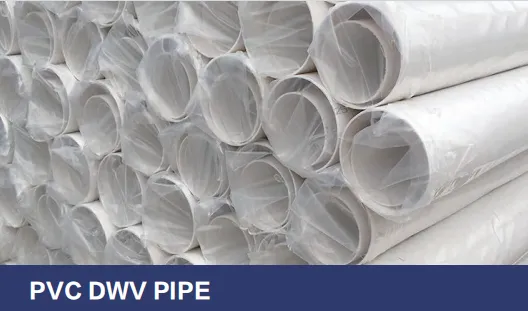
First, let's clarify what PVC DWV actually is. PVC (polyvinyl chloride) is a synthetic plastic polymer known for its strength, durability, and versatility. DWV stands for "drainage, waste, and vent," meaning these pipes are specifically designed to carry wastewater and sewage away from buildings while allowing air to enter the system to prevent siphoning and gas buildup. Unlike pressure pipes (which carry water under pressure, like those for drinking water), DWV pipes are designed for gravity flow, making their design focused on smoothness, resistance to clogs, and durability.
To truly appreciate why PVC DWV shines, let's compare it to traditional materials using a side-by-side breakdown:
| Feature | Cast Iron DWV Pipes | Copper DWV Pipes | PVC DWV Pipes |
|---|---|---|---|
| Weight | Heavy (difficult to install, requires more labor) | Moderate (still heavier than PVC) | Lightweight (easy to handle, reduces installation time) |
| Noise Level | Loud (water flow creates echoing sounds) | Moderate (better than cast iron but not silent) | Quiet (smooth interior and sound-dampening properties) |
| Corrosion Resistance | Prone to rust over time, especially with acidic wastewater | Resistant to corrosion but can react with certain chemicals | Highly resistant to corrosion, chemicals, and rust |
| Installation Cost | High (heavy materials require more labor and equipment) | Very high (expensive material + skilled labor for soldering) | Low (affordable material + simple solvent welding) |
| Maintenance Needs | High (prone to clogs due to rough interior; rust can lead to leaks) | Moderate (smooth interior but can develop pinhole leaks over time) | Low (smooth interior resists clogs; no rust or corrosion) |
| Compliance with Codes | Meets basic codes but may require additional fireproofing | Meets codes but limited in some high-temperature applications | Widely compliant with international codes (ASTM, UPC, etc.) |
As the table shows, PVC DWV pipes outperform traditional materials in almost every category that matters for hospitality projects. But let's dig deeper into the benefits that make them truly indispensable.
Hotel construction projects are always on tight schedules. Delays can mean missed opening dates, lost revenue, and unhappy investors. PVC DWV pipes, being significantly lighter than cast iron or copper, are a construction team's dream. A single worker can carry and install PVC pipes without heavy machinery, reducing labor costs and speeding up installation time. In fact, studies have shown that PVC DWV systems can be installed up to 50% faster than cast iron systems. For a hotel with hundreds of rooms, that's a huge time-saver—time that can be redirected to other critical tasks, like finishing guest rooms or training staff.
We've all been there: staying in a hotel room and being jolted awake by the sound of a toilet flushing in the room above. It's a small annoyance, but in the hospitality industry, small annoyances add up to big impacts on guest satisfaction. PVC DWV pipes address this with their smooth, non-porous interior and natural sound-dampening properties. Water and waste flow quietly through the pipes, minimizing noise transmission between floors and rooms. Some manufacturers even offer specialized "quiet" PVC DWV pipes with additional insulation, perfect for luxury hotels where silence is part of the premium experience.
Hotel wastewater isn't just water. It can contain everything from food scraps and grease (from restaurants) to chlorine and other chemicals (from pools and spas) to soap and detergents (from laundry rooms and guest bathrooms). Over time, these substances can corrode metal pipes like cast iron or copper, leading to leaks, blockages, and expensive repairs. PVC DWV pipes, however, are impervious to corrosion. They don't rust, degrade, or react with most chemicals, ensuring that the system remains intact for decades. This is especially critical for hotels, where shutting down a section of the building for plumbing repairs can disrupt operations and inconvenience guests.
A clogged drain in a hotel bathroom or kitchen isn't just a hassle—it can bring an entire area to a standstill. Imagine a busy hotel restaurant during peak dinner service with a clogged kitchen drain: orders back up, chefs get frustrated, and guests wait longer for their meals. PVC DWV pipes have a ultra-smooth interior surface that allows wastewater and waste to flow freely, reducing the risk of clogs. Unlike cast iron, which has a rough interior that can catch debris, PVC's smoothness prevents buildup. This means fewer service calls, less downtime, and lower maintenance costs over the life of the hotel.
At the end of the day, hotel construction is a balance of quality and cost. Every dollar saved on materials and installation is a dollar that can be invested in guest-facing amenities—like better mattresses, premium toiletries, or state-of-the-art fitness centers. PVC DWV pipes are not only cheaper to purchase than copper or cast iron, but their lightweight design and easy installation also reduce labor costs. When you factor in lower maintenance and longer lifespan, PVC DWV becomes one of the most cost-effective plumbing choices for hospitality projects. It's a smart investment that pays off in both the short and long term.
Now that we've covered why PVC DWV pipes are a great fit for hospitality, let's take a closer look at how they're used in different areas of a hotel. From guest rooms to kitchens to pools, PVC DWV solutions adapt to the unique needs of each space, ensuring reliable performance wherever they're installed.
Guest rooms are the heart of any hotel, and guests expect privacy and peace during their stay. PVC DWV pipes shine here, thanks to their quiet operation. In bathrooms, PVC DWV pipes carry wastewater from showers, sinks, and toilets away efficiently, without the loud gurgling or clanging associated with older materials. Imagine a family staying in a room with young children—they won't be disturbed by the sound of the toilet flushing, and parents can rest easy knowing the plumbing won't wake the kids. Additionally, PVC's resistance to corrosion ensures that leaks (which could damage furniture, carpets, or electronics) are kept at bay, protecting both the guest experience and the hotel's assets.
Hotel kitchens are high-stress environments with non-stop activity. From breakfast buffets to late-night room service, these spaces generate a lot of wastewater—often mixed with grease, food particles, and hot water. Traditional metal pipes can struggle with grease buildup and heat-related expansion, leading to clogs and leaks. PVC DWV pipes, however, are heat-resistant (within safe temperature ranges) and their smooth interior prevents grease from sticking and accumulating. This is especially important for busy kitchens, where a clogged drain can disrupt service and lead to health code violations. Many PVC DWV pipe suppliers also offer specialized fittings, like grease traps and cleanouts, designed to work seamlessly with their pipes, making maintenance easier for kitchen staff.
A hotel's laundry room is another high-demand area, processing hundreds of linens, towels, and uniforms daily. All that washing means a constant flow of soapy, sometimes hot water through the drains. PVC DWV pipes are up to the task, handling high volumes of water without warping or degrading. Their corrosion resistance also ensures that detergents and fabric softeners don't damage the pipes over time. For hotels with on-site dry cleaning, PVC DWV pipes can even be used to drain solvent-based wastewater, provided they're rated for chemical resistance—a feature many reputable suppliers offer.
Many hotels boast pools, spas, or wellness centers to attract guests, but these amenities come with unique plumbing challenges. Pool water is treated with chlorine and other chemicals to keep it clean, and spa water may contain salts or minerals. These substances can corrode metal pipes, leading to leaks and contamination. PVC DWV pipes are inherently resistant to most pool and spa chemicals, making them ideal for draining these areas. Whether it's a large outdoor pool or a small indoor hot tub, PVC DWV ensures that wastewater is carried away safely and efficiently, without compromising the integrity of the plumbing system.
Public restrooms in hotel lobbies, event spaces, and conference centers see heavy traffic—sometimes hundreds of uses per day. That means more flushes, more sink usage, and a higher risk of clogs and wear. PVC DWV pipes, with their smooth interiors and durable construction, are built to handle this constant use. They resist clogs from toilet paper and debris, and their low-maintenance design means janitorial staff can focus on keeping restrooms clean, not dealing with plumbing issues. Plus, PVC's easy installation makes it simple to add extra fixtures or expand restroom facilities if the hotel undergoes renovations—a common occurrence in the ever-evolving hospitality industry.
In 2023, a leading hospitality group embarked on a flagship project: a 30-story luxury hotel in downtown Riyadh, Saudi Arabia. The hotel would feature 450 guest rooms, 5 restaurants, a rooftop pool, a spa, and a grand ballroom—all designed to cater to high-end business travelers and tourists. From the start, the construction team faced a challenge: the hotel needed to open within 18 months to capitalize on upcoming tourism events, and the plumbing system had to be reliable enough to support the hotel's luxury reputation.
The project's tight timeline meant that every aspect of construction needed to be efficient. The plumbing team, in particular, was under pressure: with 450 guest rooms alone, plus all the additional facilities, the DWV system would be extensive. The original plan called for cast iron pipes, but the team quickly realized that cast iron's weight and installation time would delay the project. Worse, the hotel's design included thin walls and luxury finishes, meaning noise from cast iron pipes would be easily heard in guest rooms—a deal-breaker for a 5-star property.
After consulting with a one-stop architectural solution provider specializing in hospitality projects, the team switched to PVC DWV pipes. The supplier offered a full range of PVC DWV pipes and fittings, including noise-reducing varieties for guest rooms and chemical-resistant options for the pool and spa. The lightweight pipes were easy to transport and install, cutting installation time by 40% compared to cast iron. The supplier also provided on-site technical support, ensuring that the pipes were installed correctly and compliant with Saudi building codes.
Thanks to the switch to PVC DWV pipes, the plumbing system was completed two months ahead of schedule, allowing the hotel to open on time. Guests praised the quiet, efficient bathrooms, and the hotel's maintenance team reported zero clogs or leaks in the first year of operation. The project manager noted, "Choosing PVC DWV wasn't just a cost-saver—it was a reputation-saver. Our guests expect luxury, and that includes plumbing they don't even notice. With PVC, we delivered that."
While PVC DWV pipes are a critical component of hotel plumbing, they're just one piece of the puzzle. Hospitality construction projects require coordination across multiple trades, from electrical to HVAC to interior design. That's why many forward-thinking hoteliers and construction teams are turning to one-stop architectural solution providers—companies that offer not just PVC DWV pipe solutions, but a full range of building materials and support services. Here's why this partnership can make all the difference:
In the Riyadh hotel case study, the one-stop provider didn't just supply PVC DWV pipes—they provided a complete package: pipes, fittings, technical support, and logistics. This holistic approach turned a potentially stressful plumbing project into a smooth, efficient process, allowing the hotel to open on time and exceed guest expectations.
In the fast-paced world of hospitality, where guest satisfaction is everything, the right building materials can make or break a project. PVC DWV pipes, with their lightweight design, quiet operation, corrosion resistance, and cost-effectiveness, have proven to be more than just a plumbing solution—they're a promise to guests that their comfort and experience are priorities. From busy hotel kitchens to serene guest rooms, PVC DWV pipes work behind the scenes to ensure that hotels run smoothly, efficiently, and quietly.
But the true power of PVC DWV lies in partnership. By working with a one-stop architectural solution provider, hoteliers and construction teams can access not just high-quality pipes, but also the expertise, support, and integrated solutions needed to tackle the unique challenges of hospitality projects. Whether you're building a luxury resort in Saudi Arabia or a boutique hotel in a bustling city, the right partner will help you navigate every step—from material selection to installation to post-opening support.
At the end of the day, hotel construction is about creating spaces that leave a lasting impression. With PVC DWV pipe solutions, you're not just building a plumbing system—you're building a legacy of comfort, reliability, and excellence. And in the hospitality industry, that's the key to turning first-time guests into lifelong patrons.
Recommend Products












