


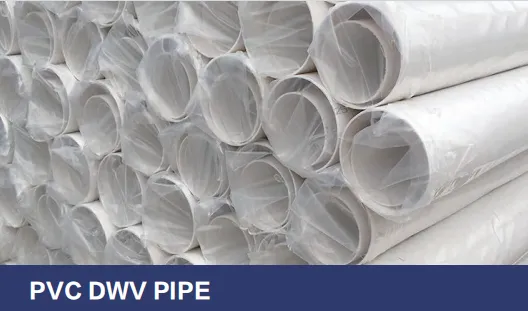
When you walk into a home, office, or restaurant, you rarely think about what happens when you flush a toilet, run a sink, or take a shower. But behind those everyday actions lies a critical system that keeps spaces clean, safe, and functional: the drain, waste, and vent (DWV) network. At the heart of this system are PVC DWV pipes—durable, cost-effective, and widely trusted components that carry wastewater away and allow fresh air to circulate, preventing clogs and odors.
Yet, for all their importance, PVC DWV pipes are only as reliable as their sizing. A pipe that's too small can lead to constant clogs, backups, and even structural damage. One that's too large wastes materials and money. That's where the expertise of a pvc dwv pipe supplier becomes invaluable. These industry professionals don't just sell pipes—they provide pvc dwv pipe solutions tailored to the unique needs of each project, ensuring that every inch of pipe works in harmony with the rest of the plumbing system.
In this guide, we'll break down the art and science of PVC DWV pipe sizing, drawing on insights from seasoned suppliers and plumbing experts. Whether you're a homeowner tackling a renovation, a contractor managing a commercial build, or a designer refining a project's details, this guide will help you navigate sizing challenges with confidence.










