
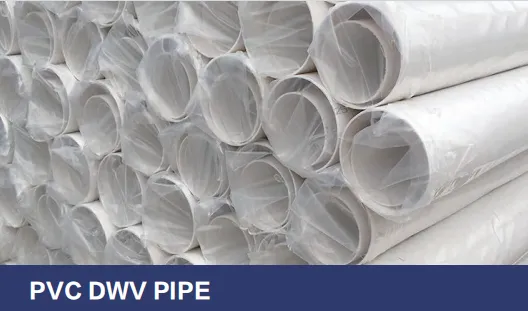
In the world of building materials, few components work as quietly yet critically as the plumbing systems that keep our homes and commercial spaces functional. Behind every flush, every sink drain, and every shower lies a network of pipes designed to carry waste away efficiently and safely. Among these, Drain-Waste-Vent (DWV) pipes are the unsung heroes, ensuring wastewater flows out and fresh air flows in to prevent unpleasant odors and pressure imbalances. Today, one material stands out as the top choice for DWV systems: Polyvinyl Chloride, or PVC. But why do PVC DWV pipe supplier and pipes fittings supplier professionals consistently recommend it over traditional options? Let's dive into the benefits that make PVC DWV pipes a staple in modern construction—and why partnering with a trusted supplier for PVC DWV pipe solutions and pipes fittings solutions is a decision that pays off for years to come.
Before we jump into the benefits, let's clarify what makes PVC DWV pipes unique. DWV stands for Drain, Waste, and Vent—three essential functions these pipes perform. "Drain" pipes remove wastewater from sinks, showers, and tubs; "Waste" pipes handle solid waste from toilets; and "Vent" pipes allow air to circulate, preventing suction that could siphon water from traps (those U-shaped bends under sinks that block odors). Together, they form a silent but vital ecosystem in any building.
PVC, short for polyvinyl chloride, is a synthetic plastic polymer prized for its versatility and durability. When formulated for DWV systems, it's rigid, lightweight, and designed to withstand the specific demands of carrying wastewater and solids without degrading. Unlike some other plastics, PVC DWV pipes are engineered to resist the chemicals found in household cleaners, soaps, and even mild acids—making them a reliable choice for both residential and commercial settings.
One of the first things any PVC DWV pipe supplier will emphasize is durability. PVC DWV pipes are built to last—we're talking 50 to 100 years with proper installation. Compare that to older materials like cast iron, which can start corroding or rusting after 20 to 30 years, or copper, which may develop pinhole leaks due to chemical reactions with water over time. PVC doesn't rust, rot, or corrode, even when exposed to the moisture and organic matter that flow through DWV systems daily.
I once spoke with a contractor who was renovating a 40-year-old home. The original PVC DWV pipes? Still in perfect condition. "We didn't have to replace a single section," he told me. "That's the kind of reliability homeowners dream of—no surprise leaks, no costly repairs down the line." For commercial buildings, where downtime from plumbing issues can mean lost revenue, that longevity is even more critical. A PVC DWV pipe solutions provider doesn't just sell pipes; they sell peace of mind.
Let's talk numbers—because at the end of the day, construction budgets matter. PVC DWV pipes are significantly more affordable than alternatives like copper or cast iron. Copper, for example, can cost 3 to 5 times more per foot than PVC, and cast iron is even heavier (and pricier) to transport and install. For a typical single-family home, switching to PVC DWV can save thousands of dollars in material costs alone.
But the savings don't stop there. PVC is lightweight, which means lower shipping costs and fewer workers needed to haul and install it. A 10-foot section of 4-inch PVC DWV pipe weighs around 8 pounds; the same size cast iron pipe? Over 70 pounds. That difference cuts down on labor time and reduces the risk of on-site injuries. When you factor in installation costs, PVC often comes out as the most budget-friendly option by a wide margin—a point that pipes fittings supplier teams highlight when helping clients plan projects.
If you've ever watched a plumber work with cast iron, you know it's no picnic. Cast iron requires heavy tools for cutting and threading, and connecting pipes often involves messy caulking or complicated gaskets. PVC DWV pipes, on the other hand, are a breeze to install. They cut cleanly with a simple handsaw or pipe cutter, and joining them is as straightforward as applying a solvent cement (a special glue that fuses the plastic surfaces together). No welding, no threading, no heavy lifting—just a quick, secure bond that sets in minutes.
"I used to dread DWV installations with cast iron," a plumber friend told me. "Now, with PVC, a typical residential job takes half the time. The pipes are light enough to carry up a ladder with one hand, and solvent welding is foolproof—even apprentices can do it with minimal training." For DIY homeowners tackling small projects, this ease of use is a game-changer, too. As long as you follow the instructions from your PVC DWV pipe supplier (and check local building codes), you can handle basic installations without hiring a pro.
Ever noticed how some sinks or showers drain slower over time? Often, it's because of buildup on the inside of the pipes. Older materials like cast iron have rough, porous interiors that trap hair, soap scum, and food particles, leading to frequent clogs. PVC DWV pipes, by contrast, have a smooth, non-porous surface that lets waste flow through with minimal resistance.
Think of it like the difference between a bumpy country road and a freshly paved highway—waste moves faster and more efficiently on a smooth surface. This not only reduces clogs but also lowers the risk of backups, which can cause water damage and unsanitary conditions. Commercial kitchens, where grease and food scraps are common, benefit especially from this feature. A pipes fittings solutions provider will often recommend PVC for these high-traffic areas, knowing it keeps maintenance calls to a minimum.
Household and commercial wastewater isn't just water—it's a cocktail of chemicals: soaps, detergents, bleach, food acids, and even occasional harsh cleaners. PVC DWV pipes laugh in the face of these substances. Unlike copper, which can corrode when exposed to acidic water, or ABS (another plastic pipe), which may degrade in sunlight, PVC holds strong against most chemicals found in DWV systems.
Hospitals, schools, and laboratories, where specialized cleaning agents are used, rely on PVC for this very reason. A PVC DWV pipe supplier can attest: these pipes don't react with common disinfectants or solvents, ensuring the plumbing system stays intact even in demanding environments. For homeowners, it means no worrying about whether that drain cleaner you used will eat through your pipes—PVC can handle it.
Still not convinced? Let's put PVC head-to-head with the most common alternatives. The table below compares PVC DWV pipes with cast iron, copper, and ABS (Acrylonitrile Butadiene Styrene), another plastic option.
| Feature | PVC DWV | Cast Iron | Copper | ABS |
|---|---|---|---|---|
| Lifespan | 50–100 years | 20–30 years (prone to rust) | 50+ years (may corrode in acidic water) | 30–50 years (sunlight-sensitive) |
| Cost (per foot) | $1–$3 | $8–$15 | $5–$10 | $2–$4 |
| Installation Ease | Easy (solvent welding, lightweight) | Difficult (heavy, requires threading/caulking) | Moderate (requires soldering) | Easy (solvent welding) |
| Flow Efficiency | Excellent (smooth interior) | Poor (rough interior, prone to clogs) | Good (smooth but smaller diameter options) | Good (smooth interior) |
| Chemical Resistance | Excellent | Good (but rusts) | Poor (corrodes in acidic environments) | Good (but less resistant than PVC) |
| Weight (per 10ft, 4-inch pipe) | 8 lbs | 70+ lbs | 15 lbs | 10 lbs |
As the table shows, PVC DWV pipes outperform alternatives in nearly every category—cost, durability, installation, and efficiency. ABS comes close in some areas, but its sensitivity to sunlight (it can become brittle if exposed during installation) and slightly higher cost give PVC the edge. It's no wonder PVC DWV pipe supplier networks report steady demand year after year.
Great materials deserve great suppliers. A reliable PVC DWV pipe supplier isn't just someone who sells you pipes—they're a partner in your project's success. Here's why working with a trusted supplier makes all the difference:
Not every PVC DWV pipe on the market meets industry standards. Some low-quality options may use recycled plastic or skimp on thickness, leading to cracks or failures. A reputable supplier ensures their pipes comply with strict standards like ASTM D2665 (the gold standard for PVC DWV pipes in the U.S.) or EN 1453 (European norms). They'll provide certifications and test reports, so you know you're getting a product that's safe and up to code.
DWV systems aren't just pipes—they need elbows, tees, couplings, traps, and vents to work properly. A top pipes fittings supplier offers a full range of compatible fittings, ensuring everything connects seamlessly. This saves you time (no hunting for parts from multiple vendors) and reduces the risk of leaks from mismatched components. Many suppliers also provide technical support, helping you design the most efficient layout or troubleshoot installation issues. As one supplier told me, "We don't just sell products—we sell solutions. If a client needs help sizing a vent pipe or choosing the right trap, we're there."
Construction delays are costly, and nothing grinds a project to a halt like waiting for materials. A reliable supplier maintains consistent inventory, so you can get the pipes and fittings you need when you need them. Whether you're working on a small bathroom remodel or a high-rise commercial building, they'll have the quantities and sizes to keep your timeline on track.
PVC DWV pipes shine in both residential and commercial settings. Let's look at two common scenarios where they're the go-to choice:
In homes, PVC DWV pipes handle everything from kitchen sinks to showers to toilets. Their quiet operation (no more clanging like cast iron) and resistance to clogs make them ideal for family living. Homeowners love that they rarely need to call a plumber for DWV issues, and builders appreciate the fast installation times. For luxury homes with high-end finishes, PVC's versatility also shines—its smooth surface pairs well with modern fixtures, and it can be painted to match decor if exposed (though it's usually hidden in walls or under floors).
Commercial buildings—hotels, restaurants, office towers, and hospitals—put DWV systems under intense stress. With hundreds of users daily, the pipes must handle high volumes of waste without faltering. PVC's durability and flow efficiency make it perfect for these environments. Restaurants, for example, rely on PVC to carry grease and food scraps without clogging, while hospitals appreciate its chemical resistance to medical cleaners. A PVC DWV pipe solutions provider specializing in commercial projects can even customize systems for unique layouts, like curved walls or tight spaces, ensuring optimal performance.
PVC DWV technology isn't standing still. Manufacturers are constantly improving formulations to make pipes even more durable and eco-friendly. Many now use recycled PVC in their production, reducing environmental impact without sacrificing quality. There's also ongoing research into enhancing UV resistance and developing thinner, lighter pipes that still meet strength standards—making installation even easier.
Sustainability is a growing focus, too. PVC DWV pipes require less energy to produce than copper or cast iron, and their long lifespan means fewer replacements (and less waste) over time. As green building standards like LEED become more common, PVC's eco-friendly credentials are only becoming more appealing.
From durability and cost-effectiveness to easy installation and smooth flow, PVC DWV pipes check every box for modern plumbing systems. They outlast older materials, save money upfront and over time, and make life easier for contractors and homeowners alike. And when paired with a trusted PVC DWV pipe supplier and pipes fittings supplier , you get more than just materials—you get a partner committed to your project's success.
So, whether you're building a new home, renovating a commercial space, or simply upgrading your plumbing, don't overlook the power of PVC DWV pipes. They may not be the most glamorous building material, but they're one of the most essential. And in the end, isn't that what really matters? A plumbing system you can trust—today, tomorrow, and for decades to come.
Recommend Products












