
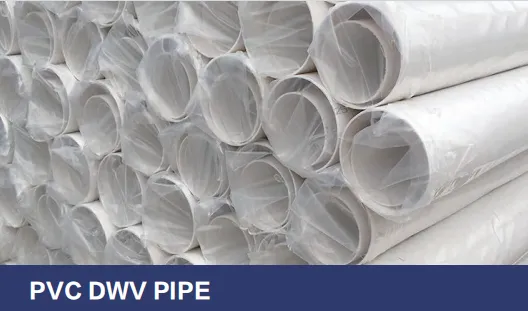
When it comes to keeping a building's drainage system running smoothly, few components are as critical as PVC DWV pipes. Short for Drain, Waste, and Vent, these pipes form the backbone of any residential or commercial plumbing system, quietly carrying away wastewater, preventing odors, and ensuring proper ventilation. Yet, despite their durability and widespread use, PVC DWV pipes are often overlooked until a problem arises—like a stubborn clog, a leaky joint, or a backed-up drain. As any experienced PVC DWV pipe supplier will tell you, proactive maintenance is the key to avoiding costly repairs, extending the life of your pipes, and keeping your plumbing system in top shape. In this guide, we'll share expert tips straight from trusted suppliers, covering everything from daily care to troubleshooting common issues. Whether you're a homeowner, a property manager, or a contractor, these insights will help you protect your investment and ensure your drainage system stays reliable for years to come.
Before diving into maintenance, it's important to understand what makes PVC DWV pipes unique—and why choosing the right supplier matters. PVC (polyvinyl chloride) is prized for its lightweight design, corrosion resistance, and affordability, making it a popular choice for drainage systems. Unlike metal pipes, PVC doesn't rust or degrade when exposed to water, and its smooth interior reduces the risk of clogs caused by debris buildup. However, not all PVC DWV pipes are created equal. A reputable PVC DWV pipe supplier will offer pipes made from high-grade PVC resin, manufactured to meet industry standards (like ASTM D2665 for drain, waste, and vent pipes). These pipes are designed to withstand temperature fluctuations, chemical exposure, and the wear and tear of daily use. In contrast, low-quality pipes from unreliable suppliers may be prone to cracking, warping, or failing prematurely—even with proper maintenance. That's why investing in quality from the start is the first step toward a low-maintenance drainage system. Trusted suppliers don't just sell pipes; they provide PVC DWV pipe solutions that include guidance on installation, compatibility with pipes fittings , and long-term care. By partnering with a supplier who prioritizes quality, you're setting your system up for success.
Even with high-quality pipes, issues can arise over time. Recognizing the signs of trouble early can save you from bigger problems down the line. Here are the most common issues reported by suppliers and plumbers:
Clogs are the most frequent complaint, often caused by flushing inappropriate items (like wipes, paper towels, or food scraps), hair buildup, or soap scum. Slow-draining sinks, tubs, or toilets, along with gurgling sounds from drains or vents, are telltale signs. In severe cases, clogs can lead to backups, which may damage pipes or cause water damage to your property.
PVC pipes are joined using solvent cement or rubber gaskets, and leaks often occur at these connections. Loose fittings, improper installation (like insufficient cement application), or shifts in the building's structure can create gaps, leading to water seepage. Over time, even small leaks can cause mold growth, rotting wood, or foundation damage if left unaddressed.
For outdoor pipes (like those running from the house to the sewer line), tree roots are a common enemy. Roots are attracted to the moisture and nutrients in wastewater, and they can infiltrate even tiny cracks or gaps in pipes, growing and expanding until they block the flow. This issue is especially prevalent in older systems or properties with large trees near the plumbing lines.
While PVC is resistant to many chemicals, harsh drain cleaners or industrial solvents can weaken pipes over time. Repeated use of strong acids or alkalis can corrode the pipe's interior, leading to cracks or leaks. This is a particular risk in commercial settings, where heavy-duty cleaners may be used to tackle tough clogs.
Vent pipes are a critical but often forgotten part of the DWV system, responsible for equalizing pressure and preventing sewer gases from entering the building. If a vent pipe becomes blocked (by debris, bird nests, or ice), it can cause slow drainage, gurgling drains, or unpleasant odors. In extreme cases, blocked vents can even siphon water from traps, allowing sewer gases to seep into living spaces.
The best way to keep your PVC DWV pipes in good condition is to prevent issues before they start. These simple, daily habits can make a big difference in the longevity of your system:
One of the easiest ways to avoid clogs is to be careful about what you flush or pour down drains. In kitchens, avoid pouring grease, oil, or food scraps (especially coffee grounds, eggshells, and pasta) down the sink—these can solidify in pipes and create blockages. Use a strainer in sinks and tubs to catch hair, soap scum, and debris. In bathrooms, never flush wipes (even "flushable" ones), cotton balls, dental floss, or feminine hygiene products—these items don't break down like toilet paper and can quickly clog pipes. A pipes fittings supplier will often note that many clogs are preventable with simple changes in behavior.
When faced with a slow drain, it's tempting to reach for a chemical drain cleaner. However, these products can be harmful to PVC pipes, especially if used frequently or in combination with other cleaners. The chemicals in drain cleaners can react with each other, releasing toxic fumes or generating heat that weakens pipes. Instead, opt for natural alternatives like baking soda and vinegar: pour half a cup of baking soda down the drain, followed by half a cup of vinegar, let it fizz for 15–20 minutes, then flush with boiling water. For tough clogs, use a plunger or a drain snake (auger) instead.
Pro Tip from Suppliers: If you must use a chemical cleaner, follow the instructions carefully, and never use it in a completely blocked drain—trapped chemicals can corrode pipes over time. After use, flush the drain with plenty of water to dilute any remaining product.
Even with careful use, drains and P-traps (the U-shaped pipes under sinks and tubs) can collect hair, soap scum, and debris. Make it a habit to clean these areas monthly. For sink traps, place a bucket under the pipe, loosen the slip nuts, and remove the trap to empty out any buildup. Rinse the trap with hot water before reattaching it. For shower and bathtub drains, use a hair snake to pull out accumulated hair—this simple step can prevent major clogs later on.
Take the time to inspect visible pipes and fittings at least twice a year (in spring and fall, before extreme weather hits). Look for signs of damage, like cracks, discoloration, or moisture around joints. Check under sinks, in basements, and around outdoor drainage lines for leaks or pooling water. Pay special attention to areas where pipes are exposed to cold temperatures (like crawl spaces or attics), as freezing water can expand and crack pipes. If you notice any issues, address them promptly—small leaks can escalate into big problems if ignored. A trusted pipes fittings supplier can help you find replacement parts if needed, ensuring a proper fit and lasting repair.
Vent pipes, which extend through the roof, can become blocked by leaves, bird nests, or snow and ice in winter. To prevent this, inspect your roof vents annually (or after storms) and clear away any debris. If you notice slow drainage or gurgling sounds, a blocked vent might be the culprit. In some cases, you can use a long, flexible brush to clear minor blockages, but for severe clogs, it's best to call a professional plumber.
While PVC is more resistant to freezing than metal pipes, extreme cold can still cause damage. In unheated areas like garages, basements, or crawl spaces, insulate exposed pipes with foam pipe sleeves to prevent freezing. Disconnect outdoor hoses in winter and shut off the water supply to outdoor faucets. If you're leaving a property unoccupied during cold weather, set the thermostat to at least 55°F (13°C) to keep pipes from freezing. For commercial buildings, consider installing heat tape on critical pipes to maintain a safe temperature.
Even with preventive care, issues can still arise. Knowing how to identify and address common problems quickly can save you time and money. Here's a guide to troubleshooting, based on insights from experienced suppliers:
| Common Issue | Signs to Look For | Potential Causes | How to Fix It |
|---|---|---|---|
| Slow or Clogged Drains | Water drains slowly; gurgling sounds; standing water in sinks/tubs | Debris buildup; hair; grease; foreign objects | 1. Use a plunger to dislodge minor clogs. 2. Try an enzymatic cleaner (safe for PVC). 3. Use a drain snake to remove deep clogs. 4. For severe clogs, call a plumber. |
| Leaky Joints | Water stains; mold; musty odors; pooling water under pipes | Loose fittings; insufficient solvent cement; pipe shifts | 1. Tighten slip nuts (for threaded fittings). 2. For glued joints, dry the area and apply PVC primer and cement to seal small gaps. 3. replace damaged fittings if necessary. |
| Root Intrusion | Frequent clogs; slow drains; unusual pipe sounds | Tree roots growing into cracks or joints | 1. Use a root cutter attachment on a drain snake to clear roots. 2. Apply root-killing chemicals (safe for PVC) to prevent regrowth. 3. For severe cases, replace damaged sections of pipe. |
| Cracked Pipes | Visible cracks; water leaks; reduced water flow | Freezing; physical damage; chemical corrosion; aging | 1. Small cracks: Use PVC repair tape or epoxy putty. 2. Large cracks: Cut out the damaged section and replace with new pipe and fittings (use primer and cement). |
| Vent Pipe Blockages | Gurgling drains; sewer odors; slow drainage throughout the system | Debris, nests, or ice in roof vents | 1. Clear roof vents of debris. 2. Use a vent cleaning brush to remove blockages. 3. For stubborn clogs, hire a professional with a camera inspection tool. |
While many minor issues can be fixed with DIY methods, some problems require the expertise of a licensed plumber. Call a professional if you encounter:
A professional plumber can use tools like video cameras to inspect hidden pipes, identify the source of the problem, and recommend the most effective solution. In many cases, early professional intervention can prevent costly repairs or system replacements.
As we've emphasized, the quality of your PVC DWV pipes and fittings plays a huge role in their longevity and performance. That's why choosing the right supplier is just as important as maintenance itself. A trusted PVC DWV pipe supplier doesn't just sell products—they offer PVC DWV pipe solutions that support your entire plumbing system. Here's what to look for when selecting a supplier:
Always choose a supplier that offers pipes and fittings certified to meet industry standards. For PVC DWV pipes, look for compliance with ASTM D2665 (for drain, waste, and vent) or ASTM D3034 (for sewer and drain). These certifications ensure the products are tested for strength, durability, and resistance to chemicals and temperature changes. A reputable supplier will readily share certification documents and product specifications, so don't hesitate to ask.
A good supplier should offer a full range of pipes fittings to complement their PVC DWV pipes, including elbows, tees, couplings, traps, and vent caps. This ensures compatibility and reduces the risk of leaks from mismatched parts. Some suppliers also provide specialty products, like sound-insulated pipes for noise reduction in commercial buildings or heavy-duty pipes for high-traffic areas. Having access to a wide range of products makes it easier to find the right solution for your specific needs.
The best suppliers go beyond sales to offer expert advice. Whether you need help selecting the right pipe size, understanding installation best practices, or troubleshooting a problem, a knowledgeable supplier should be able to guide you. Look for suppliers with experienced staff who can answer technical questions and provide pipes fittings solutions tailored to your project. Many also offer resources like installation guides, maintenance tips, or online tools to help you plan your plumbing system.
Nothing delays a project like waiting for materials. Choose a supplier with a proven track record of reliability, offering consistent stock and on-time deliveries. For commercial projects or repairs, availability is key—look for suppliers with multiple locations or fast shipping options. A supplier with a strong reputation in the industry (check reviews or ask for references) is more likely to prioritize customer satisfaction and meet your deadlines.
PVC DWV pipes are designed to last for decades, but their lifespan depends on two things: the quality of the products and the care they receive. By partnering with a trusted PVC DWV pipe supplier , you ensure your system starts with durable, reliable materials. And by following the maintenance tips outlined here—from mindful drain use to regular inspections—you can protect that investment and avoid unnecessary headaches. Remember, a little prevention goes a long way. Whether you're maintaining a single-family home or a large commercial building, taking the time to care for your DWV system will save you money, reduce stress, and keep your plumbing running smoothly for years to come. And when you need advice, don't hesitate to reach out to your supplier—they're there to help you succeed.
Recommend Products












