
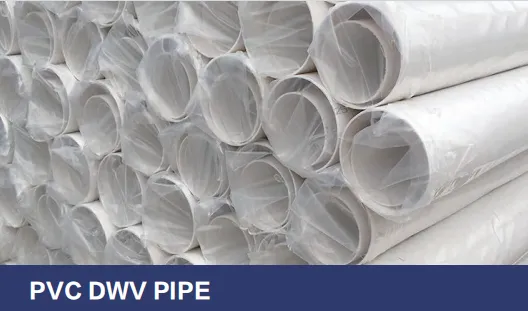
Exploring durability, supplier commitments, and why your choice of provider matters for decades of reliable plumbing
Let's start with a scenario we've all heard (or lived) before: A homeowner notices a slow drain in the kitchen. A plumber is called, and within an hour, the news drops—there's a crack in the drain pipe. Before long, the repair spirals into a full replacement, tearing up floors and walls, and costing thousands. The culprit? A low-quality drain pipe that couldn't stand the test of time.
For anyone building or renovating, drain, waste, and vent (DWV) pipes are the unsung heroes of a functional home or commercial space. These pipes carry away wastewater, prevent harmful gases from seeping into living areas, and keep plumbing systems running smoothly. But their importance is often overlooked until something goes wrong. That's why longevity isn't just a feature here—it's the foundation of peace of mind. And when it comes to PVC DWV pipes, the key to that longevity lies in one critical decision: choosing the right supplier.
In this article, we'll dive into what makes PVC DWV pipes last, the guarantees top suppliers stand behind, and why settling for anything less than a reputable provider could cost you down the line. We'll also explore real-world examples, compare PVC DWV to other pipe materials, and arm you with the questions to ask before making a purchase. Let's get started.
PVC (polyvinyl chloride) has been a staple in plumbing for decades, and for good reason. It's lightweight, corrosion-resistant, and cost-effective. But not all PVC DWV pipes are created equal. Their lifespan—often marketed as 50+ years—depends on a mix of factors, many of which are controlled by the supplier. Let's break them down:
At the heart of any PVC pipe is the resin used to make it. Top suppliers prioritize virgin PVC resin —pure, unprocessed material free from contaminants or recycled plastics. Virgin resin ensures uniformity in density, strength, and chemical resistance. In contrast, cheaper pipes may cut costs by mixing in recycled PVC or fillers like calcium carbonate. While recycled materials have their place in other products, they introduce inconsistencies: weak spots, brittleness, or reduced resistance to temperature fluctuations. Over time, these flaws turn into cracks, especially in DWV systems where pipes handle constant water flow and occasional clogs.
Even with high-quality resin, shoddy manufacturing can ruin a pipe's longevity. The extrusion process—where PVC is melted and shaped into pipes—requires strict control over temperature, pressure, and speed. Top suppliers use advanced extrusion lines with computerized monitoring to ensure consistent wall thickness, smooth inner surfaces (to prevent clogs), and even cooling. Why does this matter? A pipe with uneven walls is a ticking time bomb: thinner sections are prone to bursting under pressure, while rough interiors trap debris, leading to blockages and corrosion over time.
Longevity isn't just about materials—it's about meeting rigorous standards. Reputable suppliers design their PVC DWV pipes to comply with global benchmarks like ASTM D2665 (the gold standard for PVC DWV pipes in North America) or DIN 11852 (common in Europe and the Middle East). These standards dictate everything from impact resistance (how well pipes stand up to being dropped during installation) to chemical resistance (critical for handling cleaning products or industrial waste). A pipe that meets these standards isn't just "good enough"—it's proven to last in real-world conditions.
PVC DWV pipes live in tough environments: under concrete slabs, in crawl spaces, or exposed to fluctuating temperatures. A quality pipe should resist corrosion from soil chemicals, stand up to freezing (without cracking), and handle both hot and cold wastewater. Suppliers who prioritize longevity test their pipes in extreme conditions—submerging them in acidic solutions, subjecting them to -20°C freezes, or exposing them to UV rays—to ensure they hold up. Cheap pipes, by contrast, may become brittle in the cold or degrade quickly when exposed to common household cleaners.
When you're shopping for PVC DWV pipes, anyone can claim their products "last forever." But top suppliers back up those claims with tangible guarantees. Here's what to look for—and why these commitments matter for your project's long-term success:
A trusted pvc dwv pipe supplier will openly share their resin source and composition. Look for guarantees like "100% virgin PVC resin" or "no calcium carbonate fillers." Some even provide third-party lab reports verifying resin purity. Why does this matter? Fillers weaken the pipe's structural integrity, making it prone to cracking under stress. For example, a leading supplier in Saudi Arabia we spoke with includes a "Material Purity Certificate" with every order, ensuring customers their pipes contain zero recycled plastic—a small detail that translates to decades of reliability.
Talk is cheap—warranties are not. Top suppliers stand behind their PVC DWV pipe solutions with warranties ranging from 25 to 50 years. But not all warranties are equal. A strong warranty covers manufacturing defects, premature cracking, or degradation due to material failure. It should also include clear steps for claiming coverage, like providing proof of purchase or installation records. Avoid suppliers with vague warranties ("lifetime warranty") or those that exclude "normal wear and tear"—a red flag they're not confident in their product's durability.
Before a pipe ever leaves the factory, it should undergo a battery of tests. Reputable suppliers test samples for:
Many suppliers publish these test results on their websites or share them upon request. For example, a leading European supplier we researched includes a "Test Report Package" with every bulk order, detailing how their pipes performed against ASTM and DIN standards. This transparency isn't just for show—it's proof they've invested in durability.
Longevity doesn't end at the factory. A top supplier offers ongoing technical support to help installers and contractors get the most out of their pipes. This might include guidelines on proper fitting (using the right solvent cement, avoiding over-tightening), spacing for pipe supports (to prevent sagging), or troubleshooting common issues. Some even send engineers to job sites for complex installations. Why does this matter? Poor installation can shorten a pipe's life just as much as low-quality materials. A supplier that offers support ensures your investment isn't wasted on avoidable mistakes.
To truly understand PVC DWV pipe longevity, it helps to see how it compares to other common plumbing materials. Below is a breakdown of lifespan, durability, and key considerations for each:
| Material | Average Lifespan | Key Durability Features | Best For |
|---|---|---|---|
| PVC DWV | 50+ years (with quality supplier) | Corrosion-resistant, lightweight, chemical-resistant | Residential, commercial, and industrial DWV systems |
| UPVC (Pressure Pipes) | 30–40 years | High-pressure resistance, rigid structure | Water supply lines, not ideal for DWV (less flexible) |
| PPR (Polypropylene Random Copolymer) | 25–30 years | Heat-resistant, suitable for hot water | Hot water lines, not recommended for DWV (lower chemical resistance) |
| Cast Iron | 50–75 years | Extremely durable, sound-dampening | Historic buildings, high-end commercial (heavy, expensive to install) |
While cast iron technically has a longer lifespan, it's far heavier, more expensive, and prone to rust if not properly maintained. PVC DWV pipes, by contrast, offer comparable longevity at a fraction of the cost and effort. And when paired with a top pvc dwv pipe supplier, they often outlast their projected lifespan—making them the smart choice for most modern projects.
Numbers and guarantees tell part of the story, but real-world examples show how PVC DWV pipes perform over time. Here are two case studies highlighting the difference a quality supplier makes:
In 1993, a residential complex in Jeddah, Saudi Arabia, was built using PVC DWV pipes from a local supplier that specialized in pvc dwv pipe solutions. Fast forward to 2023, and a renovation project revealed something remarkable: the original DWV pipes showed zero signs of corrosion, cracks, or degradation. The plumbing contractor on-site noted, "These pipes look like they were installed last year, not three decades ago." The secret? The supplier had used 100% virgin PVC resin and tested each batch for compliance with ASTM D2665. Today, the complex's property manager estimates the pipes could easily last another 20 years—saving the homeowners association millions in replacement costs.
A large shopping mall in Dubai installed PVC DWV pipes from a budget supplier in 2005 to cut costs. By 2018, the maintenance team was dealing with frequent leaks in the food court area, where pipes handled grease and high-temperature wastewater. An inspection revealed widespread cracking and thinning walls—a result of the supplier using recycled PVC resin with high filler content. The mall spent over $500,000 on repairs and replacements, a cost that could have been avoided with a reputable supplier. The takeaway? Skimping on upfront costs often leads to massive expenses later.
A: Ask the supplier for a material certificate or third-party lab report. Virgin PVC is typically bright white (not yellowed or gray), and the pipe will feel smooth and uniform. Recycled pipes may have visible impurities or inconsistent coloring. A trustworthy pvc dwv pipe supplier will have no hesitation sharing this information.
A: Absolutely. Even the best pipes will fail if installed incorrectly. Ensure installers use the right solvent cement, leave proper slope for drainage, and support pipes every 4–6 feet (to prevent sagging). Many top suppliers offer installation guides or on-site support to help get this right.
A: PVC DWV pipes are low-maintenance, but avoiding harsh chemicals (like drain cleaners with sulfuric acid) can help. Regularly clearing clogs with a plunger or snake (instead of chemical treatments) also prevents corrosion. For commercial settings, annual inspections with a camera can catch small issues before they escalate.
A: Cheap pipes often cut corners with recycled materials, thinner walls, or skipped testing. While they may save you money upfront, they're far more likely to fail early. Investing in a reputable supplier means paying for quality materials, rigorous testing, and a warranty—all of which protect you from costly repairs down the line.
When it comes to PVC DWV pipes, longevity isn't a lucky accident—it's a choice. A choice to prioritize material quality over cost, to demand compliance with global standards, and to partner with a supplier who stands behind their product for decades, not just years.
Whether you're building a new home, renovating a commercial space, or managing a large-scale project, remember: the DWV system is the backbone of your plumbing. Cutting corners here isn't just a risk—it's a guarantee of future headaches. By choosing a top pvc dwv pipe supplier—one that offers virgin resin, rigorous testing, and a solid warranty—you're not just buying pipes; you're investing in peace of mind, decades of reliable performance, and savings that add up over time.
So, the next time you're comparing quotes, ask yourself: What's the true cost of a pipe that lasts 10 years versus one that lasts 50? The answer is clear. Choose wisely, and your DWV system will quietly serve you for decades—no leaks, no repairs, no regrets.
Recommend Products












