
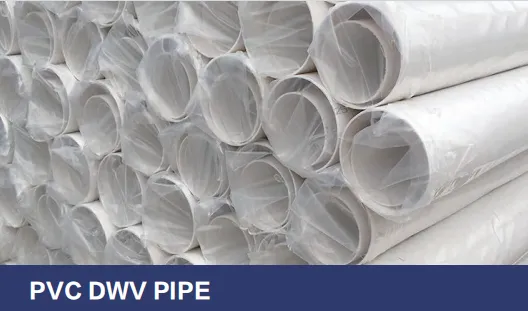
If you've ever peeked under a kitchen sink or crawled into a basement crawl space, you've probably seen them: those unassuming white or gray pipes snaking through walls and floors. They're PVC DWV pipes—short for Drain-Waste-Vent—and while they might not get the same attention as a sleek new faucet or a fancy backsplash, they're the unsung heroes of any plumbing system. Tasked with carrying wastewater away from sinks, showers, and toilets, and ensuring proper ventilation to prevent odors and pressure buildup, these pipes play a critical role in keeping homes and businesses hygienic and functional. But here's the thing: even the highest-quality PVC DWV pipes (the kind you'd get from a reputable pvc dwv pipe supplier ) won't perform well if they're installed with shoddy tools. As any industry veteran will tell you, the difference between a leak-free system that lasts decades and a disaster waiting to happen often comes down to the tools in your toolbox.
In this article, we're diving deep into the world of PVC DWV pipe installation tools. We'll break down the essential gear you need, share insights from top pvc dwv pipe suppliers who've seen it all, and explain why skimping on tools is never a good idea. Whether you're a DIY enthusiast tackling a bathroom remodel or a professional plumber looking to refine your toolkit, this guide will help you approach your next project with confidence—armed with the right tools and the wisdom of those who know PVC DWV pipes best.
Before we talk tools, let's make sure we're all on the same page about the pipes themselves. PVC DWV pipes are made from polyvinyl chloride, a durable, corrosion-resistant plastic that's become the go-to material for drain, waste, and vent systems in both residential and commercial buildings. Unlike pressure pipes (which carry water under pressure, like the pipes that bring fresh water to your taps), DWV pipes operate under gravity, relying on slope and proper venting to move wastewater efficiently.
What makes PVC DWV pipes so popular? For starters, they're lightweight, easy to cut, and resistant to chemicals found in wastewater. They also come in a range of sizes and configurations, making them versatile for everything from a small residential bathroom to a large commercial complex. And thanks to innovations in pvc dwv pipe solutions , modern pipes are designed to handle high flow rates, reduce noise, and even resist root intrusion—though none of these benefits matter if the installation is botched.
"We often get calls from contractors or homeowners dealing with leaks or clogs just a few years after installation," says Maria Gonzalez, a product specialist at a leading pvc dwv pipe supplier based in Saudi Arabia. "Nine times out of ten, the issue isn't the pipe itself—it's how it was put together. Using the wrong tool to cut the pipe, rushing the adhesive application, or skipping a step like reaming the edges can all lead to problems down the line. That's why we always stress: invest in good tools, and treat the installation process with care."
Now, let's get to the heart of the matter: the tools. While every project is a bit different, there are core tools that no PVC DWV installation should be without. We've broken them down into categories, with insights from pvc dwv pipe suppliers and pipes fittings suppliers on why each one matters.
The first step in any PVC DWV project is cutting the pipes to the right length. Sounds simple, but a jagged or uneven cut can ruin a connection before you even start. Here are the tools pros swear by:
Once your pipes are cut, the next step is joining them to fittings—elbows, tees, couplings, and traps. This is where the "glue" (solvent cement) comes in, but applying it correctly requires the right tools.
You've heard the saying, and it couldn't be truer for PVC DWV installation. A mismeasurement by even half an inch can throw off an entire run of pipes, leading to extra joints or uneven slopes (which cause clogs). Here's what you need:
PVC cement and primer contain strong solvents that can irritate skin and eyes, and cutting pipes creates dust. Don't skip these:
| Tool Category | Tool Name | Primary Use | Pro Tip from Suppliers |
|---|---|---|---|
| Cutting | Ratchet Pipe Cutter | Clean, straight cuts on PVC pipes | replace blades every 50-100 cuts for best results. |
| Cutting | Electric PVC Cutter | Fast cuts for large projects | Use a lubricant on the blade to reduce friction and heat. |
| Joining | Primer/Cement Applicators | Applying solvent cement and primer | Use a separate applicator for primer and cement to avoid contamination. |
| Joining | Reamer | Smoothing burrs on cut edges | Ream both inside and outside edges of the pipe. |
| Measuring | 4-Foot Level | Checking slope and alignment | For long runs, use a string line with a level to ensure consistent slope. |
| Safety | Nitrile Gloves | Protecting hands from chemicals | Change gloves immediately if they tear or get saturated with cement. |
We talked to several pvc dwv pipe suppliers to get their take on the biggest tool-related mistakes they see, and what they wish contractors and DIYers knew before starting a project. Here's what they had to say:
Even with the right tools, it's easy to slip up. Here are the most common errors pvc dwv pipe suppliers see, and how they recommend correcting them:
PVC cement works by melting the surface of the pipe and fitting, creating a chemical bond as it dries. If you don't let the primer sit for 10-15 seconds (or the cement for 5-10 seconds) before joining, the bond will be weak. "We've had customers call saying their pipes 'popped apart' after a few weeks," Lee says. "Nine times out of ten, they didn't let the cement set properly. Read the instructions—each brand has slightly different drying times."
A dull cutter can warp the pipe, making it impossible to fit into a fitting. "If you're struggling to cut through the pipe, stop—you're damaging it," Gonzalez warns. "replace the blade or switch to a different tool. It's worth the 20-minute trip to the hardware store for a new blade."
While not a tool mistake per se, improper venting is often linked to poor measuring tools. Vents allow air into the system, preventing siphoning and odors. "We see a lot of DIYers skip vents to save time, or install them too short," Al-Mansoori says. "Use your level and tape measure to ensure vents extend at least 6 inches above the roofline, and slope them back toward the drain. Your supplier can provide pvc dwv pipe solutions for venting tricky spaces—just ask!"
At the end of the day, installing PVC DWV pipes is a mix of art and science. The pipes themselves—whether you're using standard options or specialized pvc dwv pipe solutions from a trusted supplier—are built to last. But their performance hinges on the care you put into the installation, and that starts with the right tools.
Investing in quality tools might feel like an extra expense upfront, but it pays off in fewer callbacks, fewer leaks, and a system that works quietly and reliably for years. And when in doubt, lean on your pvc dwv pipe supplier or pipes fittings supplier for advice. They're not just selling products—they're selling solutions, and they want your project to succeed as much as you do.
So the next time you pick up a pipe cutter or reach for a can of cement, remember: you're not just building a plumbing system. You're building peace of mind. And with the right tools, that peace of mind is well within reach.
Recommend Products












