
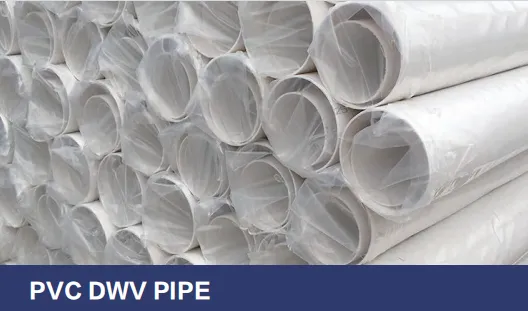
If you're a pvc dwv pipe supplier, you've probably had this conversation more times than you can count: A contractor calls, asks for a quote on 50 feet of 3-inch PVC DWV pipe, and then, almost as an afterthought, adds, "And how much will it cost to install this?" If your answer is a vague "I'm not sure—you'll have to ask a plumber," you're missing a critical opportunity. In today's market, clients don't just buy products—they buy peace of mind. They want a supplier who understands their entire project, including the costs that come after the invoice is paid. Understanding PVC DWV pipe installation costs isn't just about being helpful; it's about positioning your business as a partner, not just a vendor. Let's break down what you need to know to turn installation cost knowledge into a competitive advantage.
Before we dive into costs, let's make sure we're all on the same page. PVC DWV stands for Polyvinyl Chloride Drain, Waste, and Vent pipes. These are the workhorses of plumbing systems, responsible for carrying wastewater and sewage away from buildings and venting harmful gases. Unlike pressure pipes (like UPVC or PPR pipes), DWV pipes aren't designed to handle high water pressure—they rely on gravity to do the heavy lifting. That said, their durability, corrosion resistance, and affordability make them a staple in residential and commercial construction. As a supplier, your pvc dwv pipe solutions likely cater to a range of projects, from small home renovations to large commercial buildings. And each of these projects comes with its own unique installation cost considerations.
Installation costs aren't set in stone. They can vary wildly from one project to the next, and as a supplier, you need to be able to explain why. Here are the top factors that influence how much your clients will pay to get those pipes in the ground (or walls):
A 1,500-square-foot residential home with a simple bathroom and kitchen layout is going to cost a lot less to plumb than a 50,000-square-foot commercial building with multiple floors, restaurants, and restrooms. Why? Because complexity drives labor hours. In a commercial project, for example, you might be dealing with tight spaces (like ceilings or crawl spaces), multiple pipe intersections, or the need to coordinate with other trades (electricians, HVAC installers). All of that adds time, and time, as they say, is money. As a supplier, you can help clients anticipate these costs by asking detailed questions about their project: Is it new construction or a renovation? How many stories? Are there existing pipes that need to be removed? The more you know, the better you can guide them toward pvc dwv pipe solutions that balance quality and cost.
Not all PVC DWV pipes are created equal. Thicker walls, higher-grade PVC resin, and reinforced joints can all increase the upfront material cost—but they can also reduce installation headaches. For example, a low-quality pipe might crack during installation if not handled carefully, leading to rework and extra labor. Or, if the pipe isn't rated for the temperature or chemical exposure in a commercial kitchen, it could fail prematurely, costing the client more in repairs down the line. As a pvc dwv pipe supplier, you're in the best position to educate clients on the trade-offs. A $2 per linear foot pipe might seem cheaper than a $3 per linear foot option, but if the cheaper one leads to $500 in extra labor or repairs, it's not a deal. Your job is to help them see the big picture.
Labor is often the single biggest driver of installation costs, and it varies dramatically by region and skill level. In urban areas with high demand for plumbers—like New York City or Los Angeles—you might pay $80–$120 per hour for a licensed plumber. In smaller towns, that rate could drop to $50–$70 per hour. But here's the catch: paying for expertise often pays off. A master plumber with 10+ years of experience might cost more per hour, but they'll work faster, make fewer mistakes, and ensure the installation meets code the first time. Inexperienced labor, on the other hand, might take twice as long or make errors that require expensive fixes later. If you operate in a region with high labor costs (like Saudi Arabia, where construction is booming and skilled labor is in demand), you'll need to factor that into your client conversations. You might even consider partnering with local trade schools to train new plumbers—investing in the labor pool can help stabilize costs for everyone.
Installing PVC DWV pipes requires more than just a wrench and a pipe cutter. Depending on the project, you might need power tools (like a reciprocating saw for cutting through walls), pipe threaders, alignment tools, or even trenchers for underground installations. These tools add to the overall cost, especially for smaller contractors who might need to rent them. As a supplier, you can add value by bundling essential tools or offering discounts on tool rentals with pipe purchases. For example, if a client buys 100 linear feet of pipe, throw in a free pipe cutter rental. It's a small cost for you, but it can make a big difference in their installation budget—and keep them coming back for more.
No one likes talking about permits and inspections, but they're a necessary part of any plumbing project. Most municipalities require a plumbing permit before work starts, which can cost $100–$500 depending on the project size. Then there are inspections: rough-in inspections (to check the pipes before walls are closed) and final inspections (to ensure everything works). Fail an inspection, and you'll have to redo the work and pay for a re-inspection. As a supplier, you can help clients avoid these extra costs by ensuring your pvc dwv pipe solutions meet local building codes. For example, some areas require pipes with a specific fire rating or thickness for commercial projects. If you supply pipes that don't meet those standards, your client could face fines or delays. Staying up-to-date on code changes in the regions you serve isn't just compliance—it's customer service.
Let's put this all together with some real-world numbers. Keep in mind that these are averages—your clients' costs will vary based on the factors we've discussed—but they'll give you a baseline for conversations. The table below breaks down the typical costs for a mid-sized residential project (2,500 square feet, 3 bedrooms, 2.5 bathrooms) in a suburban area with average labor rates.
| Cost Component | Average Cost Range | What Drives the Cost |
|---|---|---|
| PVC DWV Pipes (1.5–4 inches diameter) | $1.50–$4.00 per linear foot | Pipe diameter, wall thickness, brand, and quantity (bulk discounts apply) |
| Pipes Fittings (elbows, tees, couplings, traps) | $2.00–$15.00 per fitting | Type of fitting (e.g., a P-trap costs more than a coupling), material quality, and quantity |
| Labor (licensed plumber + helper) | $60–$90 per hour | Regional rates, plumber experience, project complexity |
| Tools and Equipment (rental/purchase) | $100–$300 per project | Need for specialized tools (e.g., pipe benders, inspection cameras) |
| Permits and Inspections | $150–$400 | Local municipality fees, project size |
| Waste Removal and Disposal | $50–$150 | Amount of debris (e.g., old pipes in renovations) |
| Total Installation Cost | $3,000–$6,000 | Combined factors above |
For commercial projects, these numbers can jump significantly. A small restaurant, for example, might cost $10,000–$20,000 to plumb, while a large office building could exceed $100,000. The key takeaway? As a pvc dwv pipe supplier, you need to have a sense of these ranges so you can help clients set realistic budgets. If a client tells you they're planning a commercial kitchen and their budget for plumbing is $5,000, you can gently guide them to adjust their expectations—or suggest cost-saving alternatives, like value-engineered pvc dwv pipe solutions that don't sacrifice quality.
Pro Tip for Suppliers: Create a simple cost estimator tool for your website or sales team. Include fields for project type (residential/commercial), square footage, and number of fixtures. The tool doesn't need to be perfect—just a rough estimate to start the conversation. Clients will appreciate the transparency, and it will position you as a forward-thinking supplier.
Even the most detailed budget can get derailed by hidden costs. These are the "gotchas" that pop up mid-project, and if you can help clients anticipate them, you'll earn their trust for life. Here are a few to watch for:
If a contractor orders the wrong pipe size or forgets to account for a vent stack, they'll have to tear out installed pipes and start over. This isn't just a material cost—it's lost labor hours. As a supplier, you can prevent this by double-checking orders against project plans. If a client orders 100 feet of 2-inch pipe for a main drain that should be 3 inches, flag it. It might feel like extra work, but it's far less than the cost of rework.
In renovation projects, existing pipes might be corroded, misaligned, or incompatible with new PVC DWV pipes. For example, if an old cast-iron pipe connects to a new PVC fitting and starts leaking, the plumber will need to replace the cast-iron section, adding time and materials. You can help clients prepare by recommending a pre-installation inspection—even if it costs $200–$300, it can save thousands in surprises.
Pipes are bulky and heavy, and delivering them to a job site—especially in urban areas with parking restrictions—can cost extra. If your client is in a remote location, delivery fees could add 10–15% to the material cost. Be upfront about these fees in your quotes, and consider offering free delivery for large orders to sweeten the deal.
Most municipalities require a pressure test or smoke test to ensure the system is leak-free. This test is usually done by the plumber, but it might require a special tool (like a smoke machine) or a third-party inspector. Costs range from $100–$300, but they're non-negotiable. Make sure your clients know this isn't an extra—it's part of the process.
Now that we've covered what drives costs, let's talk about how you, as a supplier, can help clients keep them in check. Remember, your goal isn't just to sell pipes—it's to help clients succeed. When their projects come in on budget, they'll come back to you for their next job. Here are a few strategies:
Instead of selling pipes and fittings separately, create bundled packages for common project types. For example, a "3-Bedroom Home Starter Kit" could include 200 linear feet of 1.5–3-inch pipes, 50 fittings (elbows, tees, traps), and a roll of Teflon tape—all at a 10% discount compared to buying individually. This not only saves clients money but also ensures they have all the parts they need, reducing trips to the supply store and delays.
Pipes don't work without fittings, and working with a reliable pipes fittings supplier can help you offer better prices and faster delivery. Look for suppliers who offer bulk discounts or co-branded promotions. For example, if you buy 500 fittings from your partner, they might throw in 50 free couplings that you can pass on to your clients. The more integrated your supply chain, the more value you can offer.
Many contractors—especially smaller ones—appreciate guidance on installation best practices. Host a free webinar or create a video series on topics like "How to Avoid Common PVC DWV Installation Mistakes" or "Choosing the Right Fitting for the Job." The more your clients know about proper installation, the fewer mistakes they'll make, and the happier they'll be with your products.
It's easy for clients to focus on upfront costs, but PVC DWV pipes offer long-term savings compared to materials like cast iron or copper. They're lighter (so easier to install), resistant to corrosion, and require less maintenance. Share case studies or testimonials from clients who saved money over time by choosing PVC DWV. For example, "Client X installed our pipes in 2015 and hasn't had a single leak or repair—saving them $2,000 in maintenance costs compared to their previous copper system."
Clients might ask, "Why should I choose PVC DWV over PPR or UPVC pipes?" Understanding how PVC DWV stacks up against other systems will help you make a compelling case. Let's compare it to two common alternatives:
PPR (Polypropylene Random Copolymer) pipes are popular for hot and cold water supply lines, but they're not ideal for drain, waste, and vent systems. Why? Because PPR is more expensive ($2.50–$5.00 per linear foot vs. PVC DWV's $1.50–$4.00) and less flexible, making installation in tight spaces harder. For DWV applications, PVC is almost always the more cost-effective choice.
Cast iron has been around for decades, but it's heavy (10–15 pounds per linear foot vs. PVC's 1–3 pounds), which drives up labor costs. It's also prone to rust and corrosion, leading to more repairs. While cast iron might cost $5–$10 per linear foot (materials alone), PVC DWV offers similar performance at a fraction of the cost. For most clients, the choice is clear.
At the end of the day, understanding PVC DWV pipe installation costs is about more than crunching numbers. It's about showing your clients that you care about their success. When you can walk them through the factors that drive costs, help them avoid hidden fees, and guide them toward the right pvc dwv pipe solutions, you're not just selling products—you're building relationships. And in a competitive market, relationships are what keep clients coming back.
So the next time a client asks, "What will installation cost?" don't just hand them a price list. Start a conversation. Ask questions. Share your expertise. Because when you do, you'll prove that you're more than a supplier—you're a partner they can count on.
Recommend Products












