
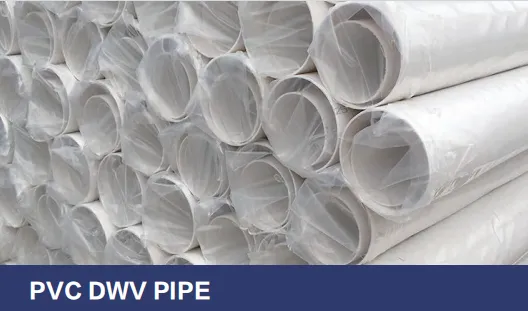
When it comes to building a reliable drainage, waste, and vent (DWV) system, PVC DWV pipes have long been the go-to choice for contractors, plumbers, and homeowners alike. Lightweight, corrosion-resistant, and cost-effective, these pipes play a critical role in ensuring wastewater flows efficiently, odors are vented properly, and homes and commercial spaces remain dry and hygienic. However, even the highest-quality PVC DWV pipes can underperform if installation is mishandled. From leaky joints to stubborn blockages, common issues often stem from oversights in technique, material selection, or lack of technical guidance. This is where a trusted PVC DWV pipe supplier becomes more than just a vendor—they become a partner, offering expertise, solutions, and support to turn installation challenges into success stories.
Before diving into specific problems, it's worth understanding why proper PVC DWV installation is non-negotiable. A poorly installed system isn't just an inconvenience; it can lead to costly repairs, health hazards, and even structural damage. Leaks, for example, can seep into walls and floors, fostering mold growth and weakening foundations. Blockages can cause wastewater backups, exposing occupants to bacteria and unpleasant odors. Ventilation failures can trap sewer gases indoors, creating safety risks. In commercial settings like hospitals or schools, where hygiene and compliance are paramount, these issues can have far-reaching consequences, from regulatory fines to disrupted operations. The good news? Many of these problems are preventable—and the right PVC DWV pipe supplier is equipped to help.
Let's break down the most frequent challenges faced during PVC DWV pipe installation and explore the practical solutions that reputable suppliers provide. From on-site guidance to product innovations, these strategies are designed to address root causes and ensure long-term performance.
Leaky joints are perhaps the most common—and frustrating—issue in DWV installations. A small gap between a pipe and fitting can lead to slow drips that go unnoticed until water damage becomes visible. So, why do joints fail? In many cases, it's not the fault of the pipe itself but improper installation techniques. Contractors may rush the solvent cement application, skip surface preparation, or use mismatched fittings. Even a slightly misaligned joint can compromise the seal over time.
Here's where a proactive PVC DWV pipe supplier steps in. Leading suppliers don't just deliver pipes and fittings—they provide the tools and knowledge to ensure secure connections. For example, many suppliers offer detailed installation guides that walk installers through every step: from cleaning the pipe and fitting surfaces with a primer (to remove dirt and oils) to applying the correct amount of solvent cement (a thin, even coat on both surfaces) and holding the joint firmly for 30 seconds to allow initial setting. Some suppliers even host workshops or video tutorials demonstrating proper cementing techniques, emphasizing the "dry fit first" rule—testing how the pipe and fitting align before applying cement to avoid misalignment.
Additionally, reputable suppliers ensure their fittings are precision-engineered to match their pipes, with tight tolerances that minimize gaps. They may also recommend specific solvent cements formulated for PVC DWV applications, avoiding generic products that might not bond effectively. For critical projects, some suppliers even offer on-site quality checks, sending technical reps to verify that joints are sealed correctly before the system is covered. As one supplier put it: "A joint that's done right the first time is a joint that never needs fixing."
A DWV system's job is to move waste and water efficiently, but blockages can bring that flow to a halt. Common culprits include incorrect pipe slope, undersized pipes, or sharp bends that create "dead zones" where debris accumulates. For instance, a horizontal pipe sloped at less than 1/4 inch per foot won't generate enough gravity to push waste along, leading to clogs. Similarly, using a 1.5-inch pipe for a bathroom group (toilet, sink, shower) instead of the required 2-inch pipe can quickly overwhelm the system.
Suppliers tackle blockages by combining education with product design. First, they provide clear guidance on pipe sizing and slope requirements, referencing local building codes (like the International Plumbing Code) to ensure compliance. A knowledgeable supplier will ask contractors about the fixture load—how many toilets, sinks, and drains the system will serve—and recommend pipe diameters accordingly. For example, a toilet alone requires a 3-inch pipe, while a kitchen sink may need only 1.5 inches, but combining fixtures demands careful calculation.
Product innovation also plays a role. Many suppliers now offer PVC DWV pipes with smooth inner walls, reducing friction and preventing debris from sticking. Some even produce pipes with a slight texture that guides waste toward the drain, minimizing buildup. For high-traffic areas like commercial kitchens or school restrooms, suppliers might suggest larger-diameter pipes or specialized fittings with sweeping bends (instead of 90-degree elbows) to maintain flow velocity. And when blockages do occur, suppliers often provide access to tools like flexible drain snakes or camera inspection systems, helping contractors locate and resolve clogs without tearing out walls.
Venting is the unsung hero of DWV systems. Without proper venting, wastewater can't flow freely—sewer gases build up, traps (the U-shaped bends under sinks and toilets) can siphon dry, and odors permeate living spaces. Yet ventilation is often overlooked during installation, with contractors using undersized vents or placing them too far from fixtures.
Suppliers solve this by acting as code experts and system designers. They understand that vents need to be sized based on the number of fixtures and the length of the pipe run. For example, a single bathroom might require a 1.5-inch vent, while a multi-fixture commercial space could need 3 inches or more. Suppliers provide vent sizing charts and software tools that help contractors calculate the right dimensions, avoiding guesswork. They also offer a range of vent fittings, from stack vents (vertical pipes that extend through the roof) to air admittance valves (AAVs), which allow air into the system without a roof penetration—ideal for tight spaces.
Perhaps most valuable is the technical support suppliers offer. When a contractor is unsure where to place a vent (e.g., how far from a toilet trap), they can call a supplier's technical hotline for real-time advice. One supplier recalled a project where a contractor had installed a vent 10 feet from a toilet, causing frequent siphoning. The supplier's rep recommended relocating the vent to within 6 feet of the trap—following code—and the issue was resolved. "Ventilation isn't optional," the rep noted. "It's the lungs of the system, and we make sure installers know how to keep it breathing."
PVC DWV pipes are strong, but they're not weightless. Over time, unsupported horizontal runs can sag, creating low points where water pools and debris collects. This sagging is often caused by insufficient hangers or straps, or placing supports too far apart. For example, a 3-inch horizontal pipe might need support every 4 feet, but a contractor in a hurry might space hangers 6 feet apart, leading to gradual sagging.
Suppliers address this by emphasizing the importance of proper support from the start. They provide detailed support spacing guidelines, tailored to pipe size and installation location (e.g., ceiling vs. underground). For above-ground installations, suppliers offer a range of hanger options—from metal straps with rubber liners (to prevent pipe damage) to adjustable brackets that accommodate uneven surfaces. For underground runs, they recommend bedding materials like sand or gravel (instead of rocky soil) to distribute weight evenly and prevent crushing.
Some suppliers even go a step further, offering pre-cut hanger kits with labeled spacing markers, taking the guesswork out of installation. During a recent school renovation, a contractor used such a kit for a 50-foot horizontal pipe run, placing hangers exactly 4 feet apart as directed. The result? No sagging, no pooling, and a system that passed inspection with ease. "Support is about prevention," a supplier explained. "We don't want installers to wait until the pipe sags—we give them the tools to keep it straight from day one."
PVC is resistant to most household and commercial chemicals, but it's not invincible. In industrial settings, laboratories, or even restaurants, pipes may be exposed to harsh substances like strong acids, oils, or solvents that can weaken the material over time. For example, a restaurant's grease trap might discharge fats that coat the pipe walls, leading to buildup and eventual corrosion. In such cases, the pipe itself isn't flawed—the installation didn't account for chemical exposure.
Here, a knowledgeable PVC DWV pipe supplier becomes a consultant, helping contractors select the right materials for the environment. Suppliers provide chemical resistance charts that list which substances PVC can handle (and which it can't), guiding material choices. For instance, if a project involves a commercial kitchen, the supplier might recommend PVC pipes with a thicker wall or a specialized liner to resist grease buildup. For labs with acid waste, they might suggest alternative materials like CPVC (chlorinated PVC) or even polypropylene, depending on the application.
Suppliers also educate installers on proper maintenance to prevent chemical damage. For example, they might advise using enzyme-based drain cleaners (instead of sulfuric acid) to break down grease, preserving the pipe's integrity. In one case, a hospital was using harsh disinfectants that were causing PVC DWV pipes to become brittle. The supplier recommended switching to a PVC-compatible disinfectant and provided samples for testing—saving the hospital from costly pipe replacements.
Key Takeaway: Most installation issues aren't about faulty pipes—they're about faulty processes. A great PVC DWV pipe supplier doesn't just sell products; they sell solutions that fix processes, from training to technical support to innovative fittings. By partnering with such a supplier, contractors turn challenges into opportunities to build systems that last.
What sets a top-tier PVC DWV pipe supplier apart? It's the commitment to customer success beyond the sale. Here are some of the value-added services that make a difference:
These services transform suppliers from vendors into partners, creating long-term relationships built on trust. As one contractor put it: "I don't just buy pipes from my supplier—I buy confidence. When I know they're behind me, I can focus on building, not worrying about issues."
Not all suppliers are created equal. To ensure you're getting the support and solutions you need, here are key factors to consider when selecting a PVC DWV pipe supplier:
| Factor | What to Ask | Why It Matters |
|---|---|---|
| Product Quality | Do your pipes and fittings meet ASTM D2665 (the standard for PVC DWV)? Are they third-party certified? | High-quality materials resist cracking, sagging, and chemical damage, reducing long-term issues. |
| Technical Expertise | Do you offer installation training or have a technical support team? | Expert guidance prevents mistakes during installation, saving time and money. |
| Range of Products | Do you carry a full line of pipes, fittings, primers, and cements? What about specialty items like AAVs? | One-stop shopping simplifies ordering and ensures compatibility between components. |
| Customer Reviews | Can you share references from contractors who've used your products for similar projects? | Positive reviews indicate reliability and satisfaction with both products and service. |
| Warranty and Returns | What's your warranty policy? How do you handle defective products? | A strong warranty shows confidence in products; flexible returns reduce risk. |
PVC DWV pipe installation doesn't have to be a minefield of issues. With the right knowledge, techniques, and support, contractors can build systems that are efficient, durable, and compliant. And at the heart of that success is a trusted PVC DWV pipe supplier—one that offers not just pipes and fittings, but the expertise and solutions to overcome challenges.
From leaky joints to ventilation woes, the common issues we've explored are all solvable with the right partner by your side. So, the next time you start a DWV project, remember: it's not just about the pipes you choose, but the supplier who stands behind them. After all, a system that's installed correctly is a system that works—today, tomorrow, and for years to come.
Recommend Products












