
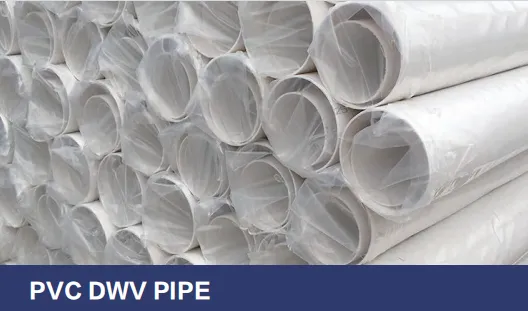
Walk into any home or commercial building, and you'll find a silent workhorse behind the walls and under the floors: the PVC DWV system. Short for Drain, Waste, and Vent, these pipes carry away wastewater, prevent dangerous gas buildup, and keep spaces hygienic. But here's the truth plumbers learn early on: even the sturdiest pipes from the most trusted PVC DWV pipe supplier won't hold up if they're fitted carelessly. A single sloppy joint can turn into a leak, and leaks? They don't just drip—they rot wood, breed mold, and turn minor repairs into major headaches.
I remember a conversation with a contractor in Florida who once told me about a condo renovation gone wrong. The crew had rushed the DWV installation, skipping the primer step because "the cement looked sticky enough." Three months later, a tenant reported a musty smell. Behind the shower wall? Black mold had spread from a slow leak, requiring $15,000 in repairs. "That's the thing about PVC DWV," he said. "It's not glamorous, but it's the backbone of a building. You cut corners here, and the building fights back."
Whether you're a seasoned plumber refining your craft or a DIYer tackling a bathroom upgrade, this guide will break down the art of PVC DWV fitting—no jargon, just actionable steps to create joints that last. We'll cover tools, prep work, step-by-step techniques, and even how to choose a pipes fittings supplier that won't leave you with shoddy materials. Because when it comes to DWV systems, "good enough" never is.
Before we dive into fitting, let's get clear on what makes PVC DWV pipes unique. PVC (polyvinyl chloride) is a synthetic plastic prized for its durability, chemical resistance, and affordability. Unlike pressure pipes (which carry water under force, like your main line), DWV pipes rely on gravity to move wastewater. That means their design prioritizes smooth interiors (to prevent clogs) and precise sizing (to handle volume).
Most PVC DWV pipes are white or gray, with "Schedule" ratings indicating thickness. Schedule 40 is standard for residential use, while Schedule 80 (thicker walls) is reserved for heavy-duty commercial jobs. Sizes range from 1.5 inches (for sinks) up to 6 inches (for main building drains). And why choose PVC over metal? It's lighter (no back-breaking lifting), corrosion-resistant (acids in wastewater won't eat through it), and quieter (no clanging like cast iron). No wonder it's the go-to for modern plumbing.
But here's a pro tip: not all PVC is created equal. A reputable PVC DWV pipe supplier will sell pipes marked with ASTM D2665, the industry standard for drain, waste, and vent systems. This certification ensures the material can handle the rigors of daily use without cracking or degrading. Always check for that mark before buying—your future self will thank you.
Think of PVC DWV fitting like baking a cake: you need the right tools to get the job done. Skip a tool, and you'll end up with lopsided layers (or leaky joints). Here's your must-have list, with tips from pros on how to use them:
| Tool | Why You Need It | Pro Tips |
|---|---|---|
| Pipe Cutter (Manual or Ratchet) | Makes clean, straight cuts—no jagged edges that ruin joints. | For small pipes (1.5–2 inches), a manual cutter works. For larger sizes, use a ratchet cutter for easier leverage. Rotate the cutter as you tighten to avoid bending the pipe. |
| Deburring Tool | Removes rough "burrs" from cut pipe ends, which can block proper insertion into fittings. | Deburr both inside and outside the pipe. A single burr can prevent the pipe from seating fully, creating a weak spot. |
| PVC Primer & Cement | Primer cleans and softens PVC; cement creates a chemical bond (not just glue!). | Never use "all-purpose" glue—always get PVC-specific products. Look for cement labeled "medium-bodied" for most jobs; it has the right working time. |
| Measuring Tape & Marker | Ensures pipes are cut to the exact length needed—no guesswork. | Use a fine-tipped marker and a square to draw straight lines. Remember: measure twice, cut once. A 1/4-inch mistake can throw off your entire layout. |
| Level (2-foot minimum) | Checks slope—DWV pipes need a 1/4-inch drop per foot to ensure wastewater flows properly. | Place the level along the pipe's top edge. If the bubble is off-center, adjust supports until the slope is correct. No slope = standing water = clogs. |
| Rubber Mallet | Gently taps pipes into fittings to ensure full insertion without cracking. | Tap lightly! PVC is strong but brittle—too much force can split the pipe. If it won't go in, check for burrs or a misaligned fitting. |
| Safety Gear: Gloves, Goggles, Vent Mask | Primer and cement fumes are harsh; burrs can cut skin. | Work in a well-ventilated area. Nitrile gloves are better than latex—they resist chemicals. Goggles? A must—primer splashes sting like crazy. |
Pro move: Many pipes fittings supplier offer "starter kits" with cutters, deburring tools, and mini primer/cement cans—perfect for beginners. It's a small investment that saves you from buying mismatched tools.
If there's one secret to leak-free DWV joints, it's this: prep work. Rushing into fitting without planning is like building a house without a blueprint—you might get something standing, but it won't be stable. Here's how to lay the groundwork:
Grab a pencil and sketch your DWV path. Where will drains run? How will vents connect to the roof? Note obstacles like floor joists or electrical wires—these may require special fittings (like 45-degree elbows instead of 90s). Then, check local codes. Every area has rules: pipe sizes (toilets often need 3-inch drains), vent heights (some areas require vents 6 inches above the roof), and slope minimums. Your PVC DWV pipe supplier likely has code guides—ask for one.
Why codes matter? A failed inspection means tearing out work and starting over. I once met a homeowner in Arizona who installed a 2-inch drain for a shower (code required 2.5 inches). The inspector failed it, and the redo cost $800. "I thought I knew better," he said. "Turns out, the code writers have seen every mistake already."
Even top-tier suppliers have duds. Before starting, examine each pipe and fitting for cracks, dents, or warping. Check fitting sockets for debris—manufacturing plastic sometimes leaves tiny flakes that block proper seating. If you find a flawed piece, set it aside and ask your supplier for a replacement. It's better to delay a day than install a pipe that will crack in six months.
Also, check your primer and cement expiration dates. Old cement thickens and won't bond well; expired primer won't soften PVC properly. Most products last 12–18 months unopened, but once opened, use them within 6 months. If your cement looks like honey (thick and stringy), toss it.
Measure the distance between fittings, then add 1–1.5 inches to account for insertion into the fitting socket. Mark the pipe with a straight line using a square—crooked cuts lead to misaligned joints. When cutting, apply steady pressure. For manual cutters, rotate the tool around the pipe as you tighten the blade. For larger pipes, a power miter saw with a PVC blade works, but wear goggles—plastic shards fly!
Now, let's get to the heart of the matter: actually fitting the pipes. Follow these steps, and you'll create joints that outlast the building.
After cutting, use your deburring tool to smooth the pipe's inside and outside edges. Even a tiny burr can prevent the pipe from seating fully, leaving gaps for leaks. Then, wipe the pipe end with a clean rag to remove dust—any dirt will weaken the cement bond.
Dry fitting means assembling pipes and fittings without primer or cement to test alignment. It's your last chance to spot issues before cement makes everything permanent. Here's how:
Skipping dry fit is the #1 mistake DIYers make. A plumber friend once told me about a client who cemented a 12-foot pipe into a fitting, only to realize it was 3 inches too short to reach the next joint. The fix? Cut out the entire section and start over. "Dry fit takes 5 minutes," he said. "Fixing a mistake takes 5 hours."
Primer is the unsung hero of PVC fitting. It cleans the pipe, removes oxidation, and softens the plastic so cement can bond. Here's the right way:
PVC cement isn't glue—it's a solvent that melts the pipe and fitting, fusing them into one piece. Apply it like this:
With cement applied, immediately push the pipe into the fitting until it hits the socket bottom—your depth line should align with the fitting's edge. As you insert, give the pipe a 1/4-turn twist. This spreads the cement evenly and removes air bubbles. Then, hold the joint firmly for 30–60 seconds. Why? Cement is tacky but not strong yet—let go too soon, and the pipe slips, creating a weak spot.
Once held, leave the joint undisturbed to cure. Curing time varies: 2 hours before handling, 24 hours before running water. Rushing this is risky—even if the joint feels dry, the chemical bond needs time to fully form.
Even perfect joints fail if pipes sag. PVC DWV pipes need hangers/straps to prevent low spots where wastewater pools (hello, clogs!). Follow these rules:
Even pros hit snags. Here's how to solve the most common issues:
Causes: Burrs, debris in the socket, or a warped fitting. Fix: Redeburr the pipe, check the socket for obstructions, and replace warped fittings.
Causes: Not enough primer/cement, pipe not fully inserted, or joint disturbed during curing. Small leaks: Clean the area, apply primer, and add a bead of cement around the joint (cure 24 hours). Big leaks: Cut out the joint and start over—no shortcuts here.
Causes: Too few hangers. Fix: Add hangers to support the sag—pooling water leads to clogs and odors.
You've mastered the techniques—now make sure your materials match your skill. A great pipes fittings supplier isn't just a place to buy parts; they're a partner in your project's success. Here's what to look for:
Remember that Texas homeowner with the mold issue? He later switched to a supplier that provided ASTM-certified pipes and even sent a tech to review his layout. "It cost a little more upfront," he said, "but I haven't had a leak since."
PVC DWV fitting isn't glamorous, but it's the foundation of a healthy building. By prepping carefully, using the right tools, and choosing quality materials from a trusted PVC DWV pipe supplier, you'll create joints that stand the test of time. Remember: every second you spend on primer, every dry fit check, every hanger placed—they all add up to a system that works silently, reliably, and leak-free.
So grab your cutter, measure twice, and fit with confidence. Your walls (and your wallet) will thank you.
Recommend Products












