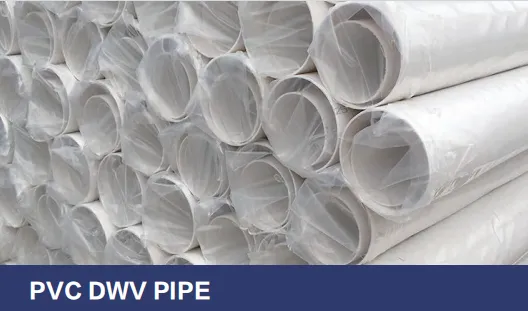
Not all suppliers are created equal. A "sustainable" PVC DWV pipe supplier goes beyond just selling pipes – they prioritize environmental responsibility at every stage of their operations. But what does that look like in practice? Let's break down the key characteristics:
Certifications: Proof of Commitment
Sustainable suppliers don't just claim to be green – they back it up with third-party certifications. Look for standards like ISO 14001 (environmental management systems), which ensures a supplier has processes in place to reduce waste and emissions. Other certifications might include LEED (Leadership in Energy and Environmental Design) compliance, which is critical for projects aiming for green building certifications, or the NSF/ANSI 61 standard, which verifies that pipes are safe for use in drinking water systems (even if DWV pipes don't carry potable water, this standard ensures low chemical leaching).
Eco-Friendly Materials and Innovation
Leading suppliers are reimagining the PVC formula. Some are incorporating recycled content into their pipes – using post-consumer or post-industrial PVC waste that would otherwise go to landfills. Others are experimenting with bio-based additives or plasticizers derived from plants, reducing reliance on fossil fuels. For example, a handful of forward-thinking suppliers now offer PVC DWV pipes made with up to 30% recycled PVC, without compromising strength or durability.
Energy-Efficient Manufacturing
Sustainable suppliers invest in renewable energy – solar panels, wind turbines, or biogas – to power their factories. They also optimize production processes to reduce energy waste, such as using heat recovery systems to reuse excess warmth from manufacturing. These steps not only lower carbon footprints but can also cut long-term costs, making sustainable practices economically viable.
Waste Reduction and Circular Economy Models
From minimizing scrap material during production to offering take-back programs for old pipes, sustainable suppliers embrace the circular economy. Some even partner with recycling facilities to ensure their products are properly processed at the end of their lifecycle. For example, a forward-thinking PVC DWV pipe supplier might collect used pipes from demolition sites, grind them into pellets, and reuse the material to make new pipes – closing the loop and reducing reliance on virgin resources.
Transparency and Accountability
Sustainability isn't a one-time achievement; it's an ongoing journey. The best suppliers are transparent about their practices, publishing annual sustainability reports that detail emissions, waste reduction goals, and progress. They also engage with customers, answering questions about manufacturing processes and ingredient sourcing. If a supplier hesitates to share this information, it might be a red flag.