
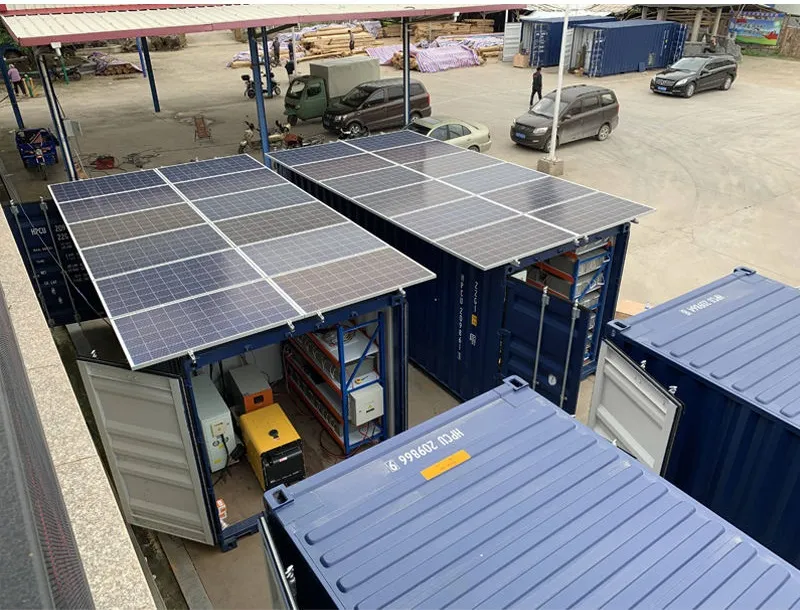
Picture this: scientists in a pristine lab celebrate as their solar cell hits 47% efficiency—a world record. Meanwhile, factory workers 3,000 miles away mass-produce panels at 22% efficiency. That gap isn't failure; it's the frontier. Today we're exploring why lab breakthroughs rarely translate directly to your rooftop, and how manufacturers are closing this efficiency chasm.
Lab environments are the Formula 1 tracks of solar technology. Scientists use:
- Microscopic gold wiring instead of industrial-grade silver
- Pure nitrogen atmospheres eliminating oxidation
- Single-cell focus rather than panel-scale engineering
As Dr. Elena Torres (MIT Energy Lab) told me: "We're not cheating—we're proving physical limits. But nobody mentions my cells dissolve in rainwater!" That encapsulation challenge? It knocks 8% off efficiency during manufacturing.

Walk through any modern solar factory, and you'll see efficiency battles waged on three fronts:
Material Roulette :
- Lab cells might use 99.999% pure silicon ingots ($400/kg)
- Mass production uses 99.98% purity ($40/kg) creating lattice defects
- This purity trade-off alone causes 5-7% efficiency drop
The Speed Trap :
Consider the doping process—where impurities are added to silicon:
- Lab: 90-minute precision bake at 850°C
- Factory: 90-second infrared blast at 880°C
That 97% time reduction? It causes uneven doping, shaving off another 3-4% efficiency.
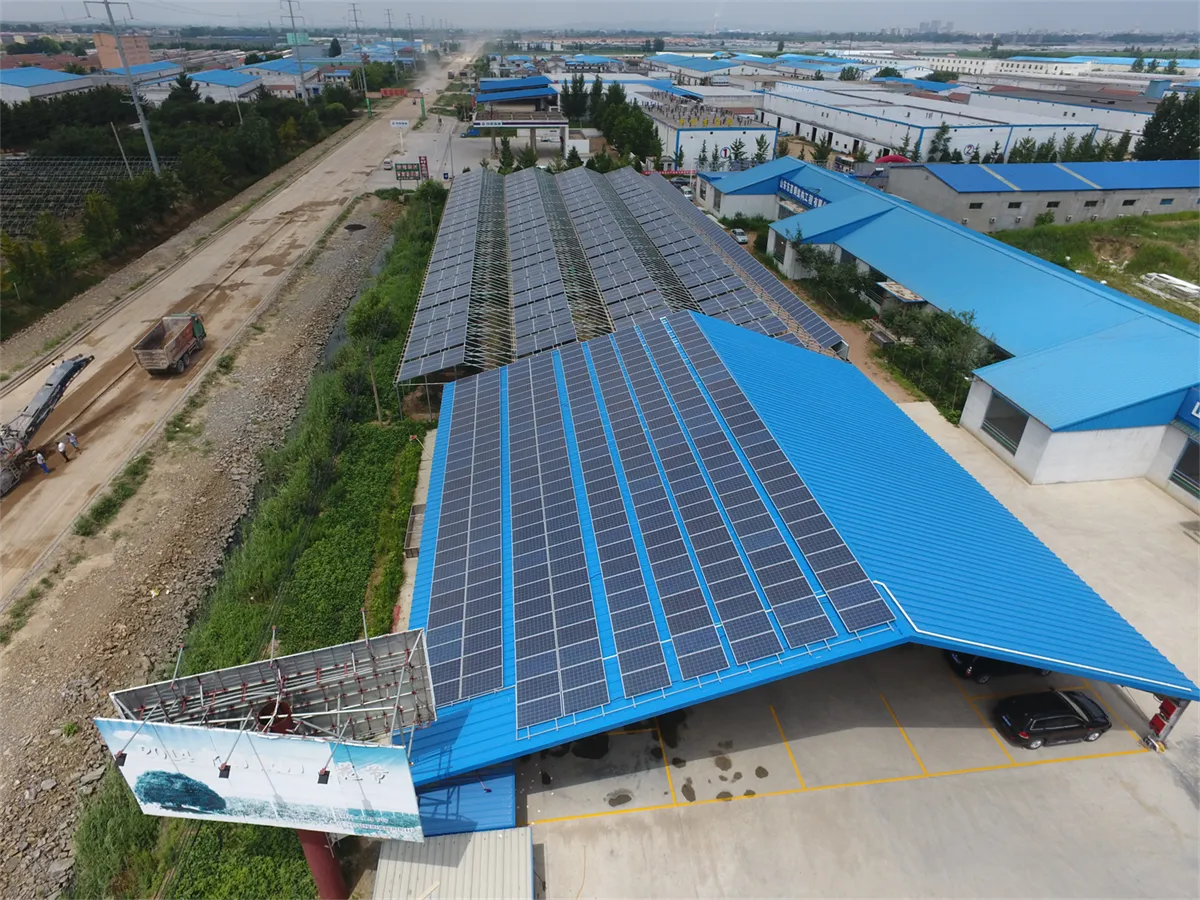
First Solar's Vietnam plant showcases the new efficiency translation playbook:
Real-Time Defect Mapping :
Every panel gets scanned by hyperspectral cameras during production. Unlike lab microscopes that examine postage-stamp-sized samples, these factory systems analyze every square meter at 200mph catching micro-cracks before encapsulation.
⚡ AI-Driven Process Adaptation :
Their machine learning system cross-references:
- Local weather patterns affecting solvent drying times
- Minute variations in paste viscosity
- Conveyor vibration frequencies
This allows real-time calibration narrowing the lab-to-production gap to under 9%—down from 25% in early 2010s.
While headlines obsess over lab milestones, real-world solar economics follow different rules:
- A 24% efficient panel costing $0.40/watt beats a 30% panel at $1.10/watt in ROI timeline
- Degradation matters more than peak efficiency: LG's 0.33% annual loss beats SunPower's lab-record cells at 0.82%
- Installation angle optimizations can recover 2-3% of "lost" efficiency
As solar installer Maria Chen notes: "Customers ask about lab records, but we show them production variance charts instead. Consistency over seasons matters more than a headline number."
Three emerging technologies will shrink the efficiency translation gap below 5% by 2030:
Self-Healing Polymers :
University of Toronto's microcapsule technology embeds repair compounds that activate when cracks form—potentially eliminating the 1-2% encapsulation efficiency penalty.
Atmospheric Process Replication :
Berlin-based startup SolarSack replaces nitrogen chambers with nanoparticle coatings that create localized inert environments during soldering—at factory line speeds.
Blockchain Verification :
REC Group now publishes real-time efficiency data for every panel off the line, creating pressure for consistent high performance rather than peak lab numbers.
The efficiency race isn't about chasing lab unicorns anymore. It's about building workhorses that deliver sunshine to sockets without compromise. And honestly? That engineering story deserves more trophies than any lab record.
Recommend Products












