

Walk into any home improvement store or flip through a design magazine, and you'll likely be overwhelmed by wall panel options. From sleek modern composites to rustic natural woods, the choices seem endless. But for homeowners, designers, and builders, two factors often rise above the rest: moisture resistance and longevity . After all, what good is a beautiful wall if it warps, rots, or fades within a few years? Today, we're putting two popular contenders head-to-head: the classic wood panel and the innovative PU stone wall panel . Let's explore how they stack up in the ultimate test of durability and resilience.
Wood panels have been a staple in interior design for centuries, and it's easy to see why. There's something inherently warm and inviting about natural wood grain. Whether it's the rich amber tones of oak, the cool sophistication of ash, or the rustic charm of reclaimed barnwood, wood adds character and a connection to nature that few materials can match. Wood panel suppliers have capitalized on this appeal, offering everything from solid hardwood planks to engineered wood products like plywood and MDF, each promising to bring that "cozy cabin" or "elegant library" vibe into modern spaces.
But here's the catch: wood is a natural material, and like all things natural, it's vulnerable to the elements—especially moisture. Let's break down the challenges:
Wood is hygroscopic, meaning it absorbs and releases moisture based on its environment. In dry climates, it shrinks; in humid ones, it swells. In areas with consistent dampness—think bathrooms, kitchens, basements, or coastal homes—this trait becomes a problem. Even treated wood panels can struggle. Over time, moisture seeps into cracks or gaps, leading to warping (that unsightly bowing or cupping), rotting (soft, crumbly wood that loses structural integrity), and worst of all, mold and mildew growth . Not only is mold unsightly, but it also poses health risks, triggering allergies and respiratory issues.
Mark, a homeowner in Charleston, South Carolina, installed pine tongue-and-groove panels in his beachfront home's living room. He loved the light, airy look—until hurricane season hit. Despite sealing the panels twice a year, the salt-laden humidity crept in. Within three years, the panels had warped so badly that some pulled away from the wall, and black mold dotted the corners. "I thought sealing would protect them," he recalls. "But in the end, I spent more on repairs than the initial installation. Never again."
The lifespan of wood panels depends heavily on maintenance and environment. In dry, well-ventilated spaces with minimal humidity, untreated solid hardwood might last 20-30 years with regular care (think annual sealing, painting, or staining). But in high-moisture areas? That number plummets. Engineered wood products, which often have a plywood or fiberboard core, can deteriorate even faster—some failing in as little as 5-7 years if exposed to leaks or condensation.
Then there are other threats: pests like termites and carpenter ants, which see wood as an all-you-can-eat buffet; UV rays, which fade color and weaken fibers; and everyday wear and tear, from kids' sticky fingers to furniture scrapes. To keep wood panels looking their best, homeowners must commit to ongoing maintenance: sanding, refinishing, and patching. It's a labor of love—but for many, the upkeep becomes a hassle.
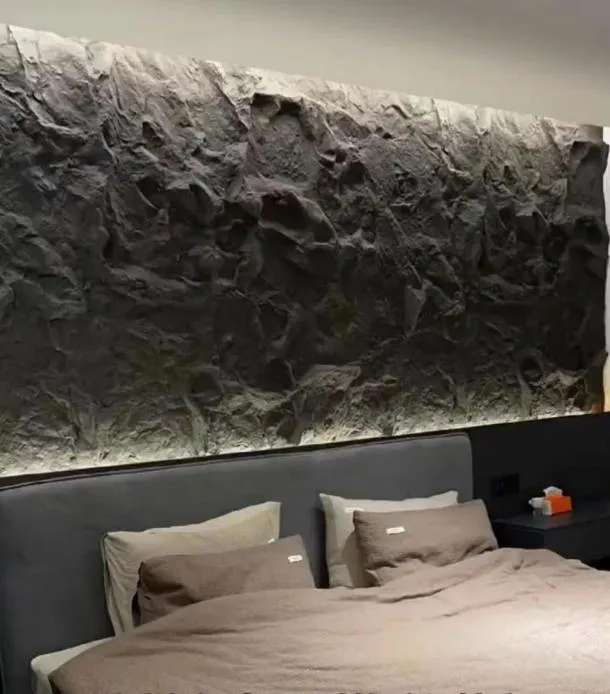
If wood panels are the traditionalists, PU stone wall panels are the innovators. Short for polyurethane, PU stone wall panels are engineered to mimic the look and texture of natural stone—think rough-hewn limestone, smooth slate, or rugged granite—without the weight, cost, or vulnerabilities of the real thing. PU stone wall panel suppliers have revolutionized the market, offering solutions that blend aesthetics with unbeatable performance. But what exactly makes these panels a game-changer?
PU stone wall panels are made from high-density polyurethane foam, reinforced with fiberglass or other materials for strength. During manufacturing, they're cast from molds of real stone, capturing every nuance of texture and color. The result? A panel that looks indistinguishable from natural stone but weighs a fraction of the real thing (often 80-90% lighter) and is far more durable. PU stone wall panel solutions aren't just about looks, though—they're engineered from the ground up to solve the problems that plague traditional materials like wood and even natural stone.
Here's where PU stone wall panels shine: they're virtually impervious to moisture . Unlike wood, which absorbs water like a sponge, polyurethane is a closed-cell material, meaning it doesn't have pores to trap liquid. Spills, leaks, humidity—none of it penetrates the surface. That makes PU panels ideal for bathrooms, kitchens, laundry rooms, and basements, where moisture is a constant concern. Even in coastal areas with salt air or regions with heavy rainfall, these panels stand strong. No warping, no rotting, no mold—just a wall that stays looking fresh, year after year.
Lisa, an interior designer in Seattle, used to specify wood panels for her clients—until a particularly challenging bathroom renovation. "The client wanted a stone-like look but couldn't afford real marble, and wood in a shower area was out of the question," she says. "A colleague recommended PU stone wall panels, and I was skeptical at first. But when we installed them, I was blown away. The texture is so realistic, and after two years, there's zero mold or water damage. Now, I specify PU stone wall panel solutions for almost all my high-moisture projects. It's a no-brainer."
PU stone wall panels aren't just moisture-resistant—they're built to last. Most manufacturers back their panels with 15-20 year warranties, and in real-world conditions, they often exceed that. Why? Polyurethane is resistant to the factors that break down other materials: UV rays (so colors don't fade), impacts (so dents and scratches are rare), and temperature fluctuations (so no cracking or warping). Unlike natural stone, which can chip or etch, PU panels are flexible enough to absorb minor impacts without damage.
And let's talk about maintenance: it's minimal. A quick wipe with a damp cloth is usually all it takes to clean PU stone wall panels. No sanding, no sealing, no refinishing. They're also pest-proof—termites and ants have no interest in polyurethane—and fire-resistant (many models are Class A rated, making them safe for commercial spaces like hospitals and schools). For busy homeowners or commercial builders, this low-maintenance durability is a huge selling point.
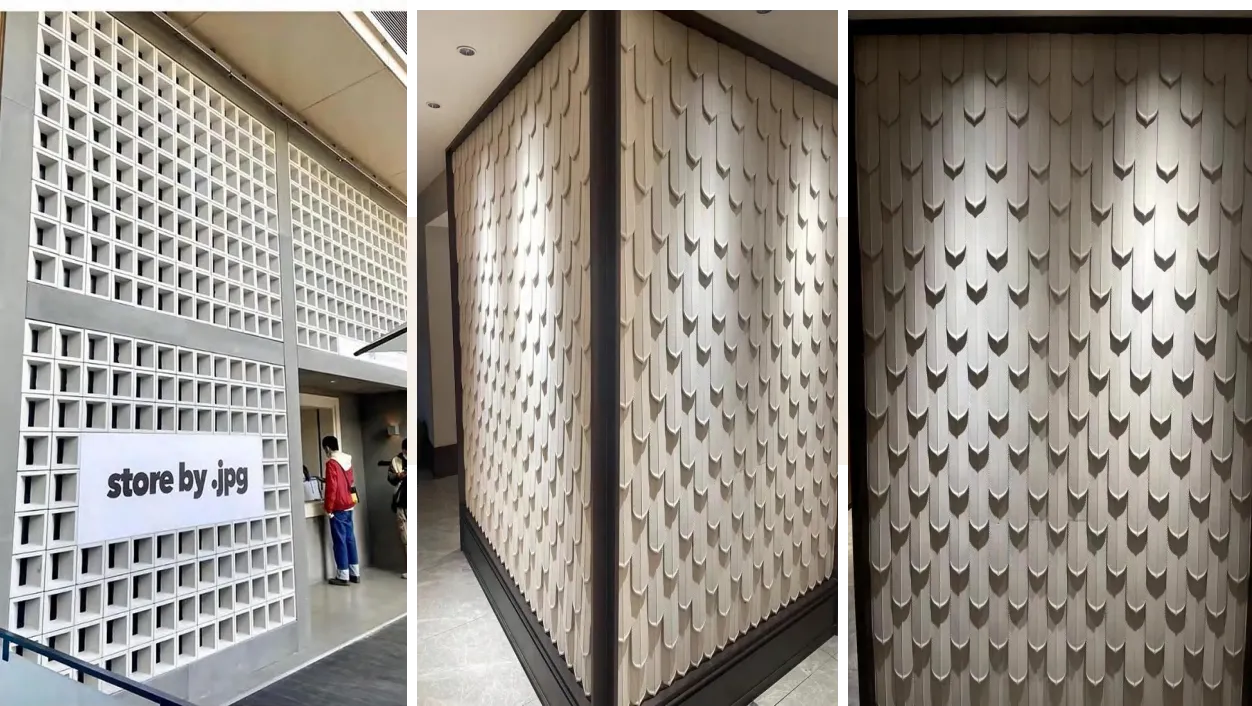
To truly understand the difference, let's compare the two side by side. The table below breaks down key factors like moisture resistance, longevity, maintenance, and more—so you can see how they stack up.
| Factor | Wood Panels | PU Stone Wall Panels |
|---|---|---|
| Material Composition | Natural wood (solid or engineered, with cores like plywood/fiberboard) | High-density polyurethane foam, reinforced with fiberglass; designed to mimic natural stone |
| Moisture Resistance | Poor: Absorbs water, leading to warping, rot, and mold in damp areas | Excellent: Impermeable to water; mold and mildew-resistant even in high-humidity environments |
| Longevity | 5-30 years (varies widely by environment; shorter in moisture-prone areas) | 15-20+ years (with minimal degradation; warranties often 15+ years) |
| Maintenance | High: Regular sealing, sanding, refinishing, and pest control required | Low: Wipe clean with a damp cloth; no sealing, painting, or refinishing needed |
| Aesthetic Options | Warm, natural wood grains; limited to wood species and stains | Mimics natural stone (limestone, slate, granite, etc.); available in various colors, textures, and finishes |
| Environmental Impact | Can be sustainable (FSC-certified wood) but may require deforestation; finishes often contain VOCs | Low VOC emissions; some manufacturers use recycled materials; lightweight design reduces transportation carbon footprint |
| Cost (Initial vs. Long-Term) | Lower initial cost ($3-10/sq ft), but high long-term costs (maintenance, repairs, replacement) | Higher initial cost ($8-15/sq ft), but minimal long-term costs (no maintenance or replacement needed) |
| Ideal Applications | Dry, low-humidity areas (living rooms, bedrooms) with ongoing maintenance | High-moisture areas (bathrooms, kitchens, basements), commercial spaces, coastal/humid climates |
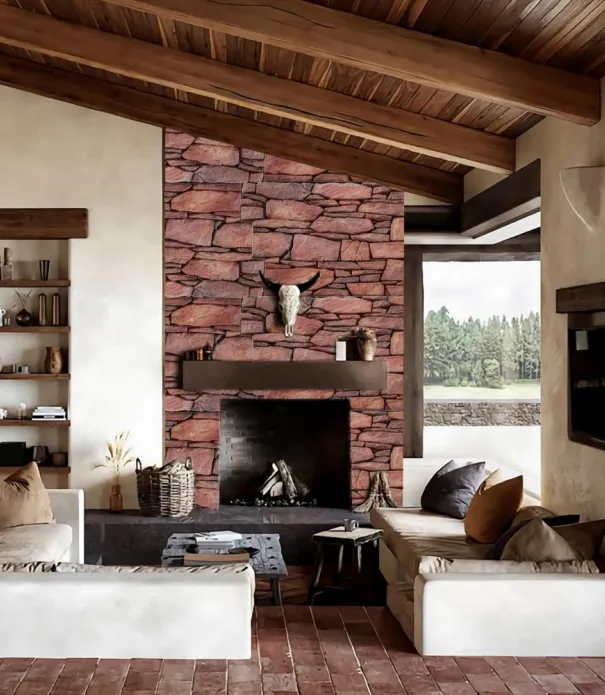
So, PU stone wall panels outperform wood panels in moisture resistance, longevity, and maintenance—but not all PU panels are created equal. To get the best results, it's crucial to partner with a reputable PU stone wall panel supplier . A quality supplier will offer more than just panels; they'll provide PU stone wall panel solutions tailored to your project's needs.
What should you look for in a supplier? First, material quality: ensure the panels are made with high-density polyurethane and reinforced for durability. Second, customization options: can they match a specific stone texture or color? Third, technical support: do they offer installation guides, samples, or on-site assistance? And finally, warranty: a strong warranty (15+ years) is a sign of confidence in the product.
For example, leading PU stone wall panel suppliers often provide 3D design tools to help visualize panels in your space, or offer pre-cut panels for easy installation. Some even partner with contractors to ensure proper fitting, reducing the risk of gaps or water intrusion. When you invest in PU stone wall panel solutions from a trusted supplier, you're not just buying a product—you're buying peace of mind.
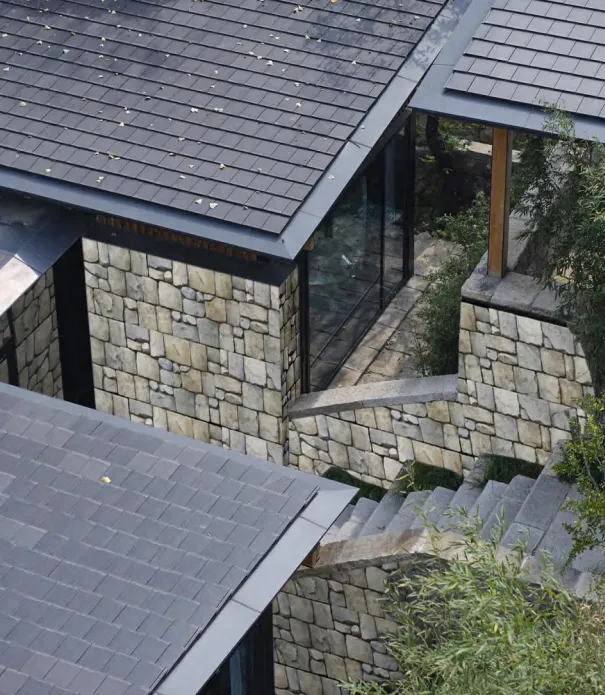
At the end of the day, both wood panels and PU stone wall panels have their place. Wood will always hold a special spot in design for its natural warmth and traditional appeal—ideal for dry, low-traffic spaces where maintenance is a labor of love. But when it comes to moisture resistance, longevity, and low maintenance? PU stone wall panels are the clear winner.
For homeowners tired of replacing warped wood, designers seeking durable solutions for high-moisture projects, or builders looking to cut long-term costs, PU stone wall panels offer the best of both worlds: the beauty of natural stone with the performance of modern engineering. And with the right PU stone wall panel supplier , you can find solutions that fit your aesthetic, budget, and project needs.
So, the next time you're choosing wall panels, ask yourself: Do I want a material that looks good today, or one that will look good—and perform—for decades to come? For most, the answer is clear: PU stone wall panels aren't just a trend—they're the future of durable, beautiful interior decoration materials.
Recommend Products











