

When it comes to building or renovating a home or commercial space, the exterior isn't just about curb appeal—it's a first line of defense. Day in and day out, your building's façade faces a relentless onslaught: scorching sun, freezing rain, howling winds, and even the occasional hailstorm. In regions like Saudi Arabia, where temperatures can soar above 50°C (122°F) in summer, or coastal areas battered by salt-laden breezes, choosing the right exterior material isn't just a matter of aesthetics. It's about longevity, maintenance, and avoiding costly replacements down the line.
Two popular options often square off in this arena: PU stone wall panels and vinyl siding. Vinyl siding has been a household name for decades, praised for its affordability and low maintenance. But in recent years, PU stone wall panels—offered by forward-thinking suppliers specializing in exterior decoration materials—have emerged as a compelling alternative, boasting enhanced durability and a more authentic stone-like appearance. So, which one truly holds up better when Mother Nature turns fierce? Let's dive in.
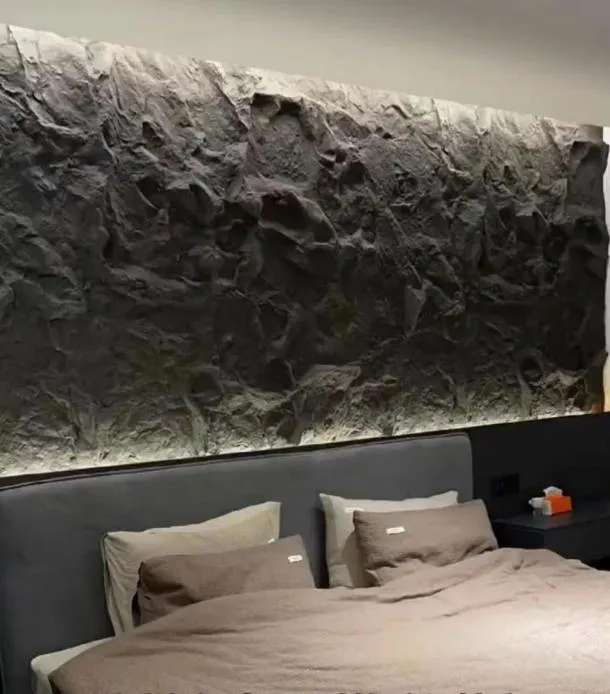
First, let's get acquainted with PU stone wall panels. PU, short for polyurethane, is a synthetic material known for its flexibility, strength, and insulating properties. When crafted into wall panels, it's often designed to mimic the look of natural stone—think granite, limestone, or slate—without the weight or cost. A reputable PU stone wall panel supplier will typically combine polyurethane with mineral fillers to enhance rigidity, then add a textured finish that replicates the grain and color variations of real stone.
What sets these panels apart? They're lightweight (often 70-80% lighter than natural stone), which makes installation faster and easier, reducing labor costs. They're also flexible, meaning they can bend slightly without cracking—handy in areas prone to temperature-induced expansion and contraction. And because they're engineered, PU stone wall panel solutions often include built-in features like UV resistance, moisture barriers, and even fire retardancy, depending on the application.
Vinyl siding, on the other hand, is a veteran in the exterior cladding world. Made from polyvinyl chloride (PVC) resin mixed with plasticizers, stabilizers, and pigments, it's a type of plastic cladding that comes in long, overlapping strips or panels. Its popularity stems from three key factors: it's cheap, easy to install, and requires minimal upkeep. For decades, it's been the go-to for homeowners looking to refresh their home's exterior on a budget, offering a range of colors and textures, from wood grain to smooth finishes.
But vinyl siding isn't without its critics. Early versions had a reputation for fading, cracking, or warping in extreme heat, though modern formulations have improved. Still, when pitted against the most severe weather conditions, does it hold its own against the newer kid on the block—PU stone wall panels?
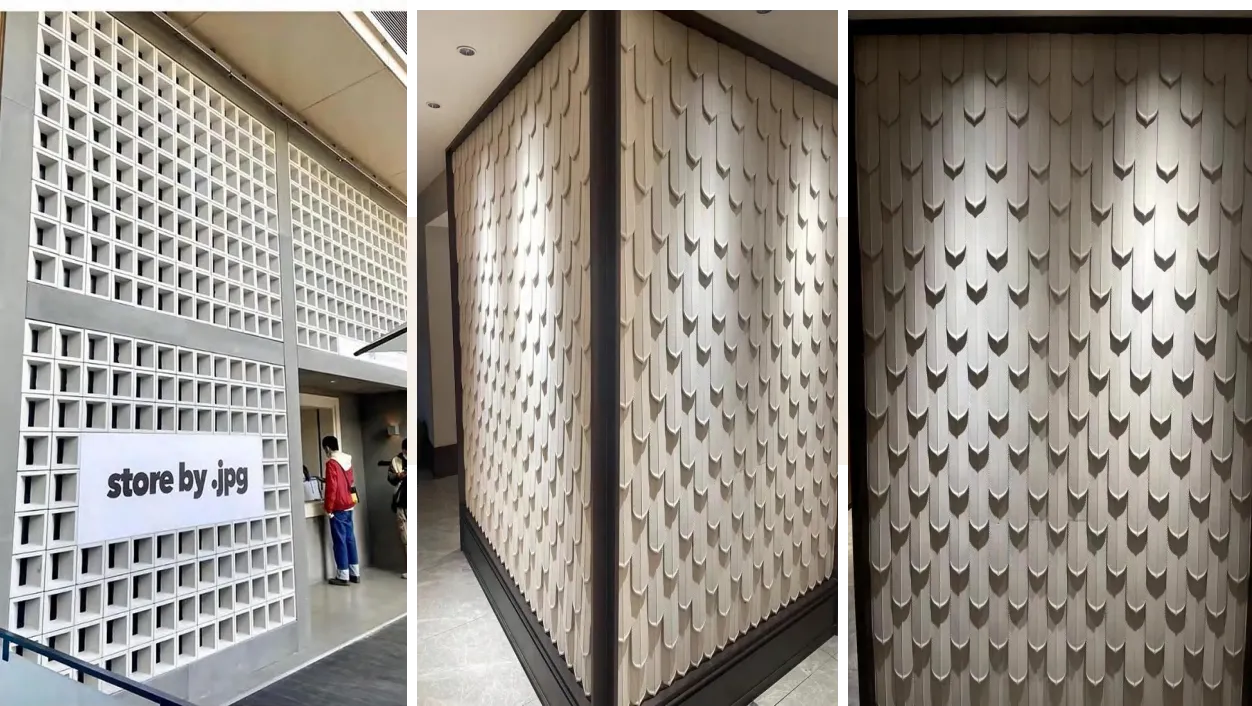
To truly test their mettle, we'll put both materials through a series of "weather challenges"—scenarios any exterior material should handle with ease. From blistering heat to freezing cold, here's how they stack up.
In sun-drenched regions like Saudi Arabia, prolonged exposure to UV rays and high temperatures can turn exterior materials into a hot mess—literally. Vinyl siding, being a plastic product, is particularly susceptible to heat-related issues. When temperatures climb above 40°C (104°F), PVC can soften, causing panels to warp, buckle, or even melt if in direct sunlight for hours. Over time, UV rays also break down the pigments in vinyl, leading to noticeable fading—what was once a vibrant blue might fade to a dull gray in just 5-7 years.
PU stone wall panels, by contrast, are engineered to thrive in heat. Polyurethane has a higher melting point than PVC, and top PU stone wall panel suppliers often add UV stabilizers to their formulations. This means even in 50°C heat, the panels retain their shape and color. In fact, many PU panels are tested to withstand continuous exposure to UV rays for 10+ years without significant fading. Their stone-like texture also helps reflect some sunlight, keeping the panels (and the building beneath) cooler than vinyl, which tends to absorb heat.
Now, let's head north—or to high-altitude areas—where winters bring freezing temperatures and freeze-thaw cycles. Vinyl siding, which becomes brittle in cold weather, is at risk here. When temperatures drop below 0°C (32°F), PVC loses its flexibility, making panels prone to cracking if hit by a stray branch or hailstones. Worse, if moisture seeps behind the siding (a common issue with poorly installed vinyl), freeze-thaw cycles can cause the trapped water to expand, warping the panels or even damaging the underlying structure.
PU stone wall panels excel in cold climates, too. Their polyurethane core remains flexible even in sub-zero temperatures, so they're far less likely to crack under impact. Additionally, reputable PU stone wall panel solutions include a moisture barrier or are designed to shed water quickly, reducing the risk of water infiltration. This makes them a solid choice for regions with harsh winters, where freeze-thaw damage is a constant threat.
Water is the enemy of any building's exterior. It can rot wood, corrode metal, and breed mold—so a material's ability to repel moisture is non-negotiable. Vinyl siding is often marketed as "waterproof," but its overlapping design can be a weak spot. If panels aren't properly aligned or if the sealant between them deteriorates, rain can seep behind the siding, leading to mold growth or water damage to the sheathing. In humid climates, this trapped moisture can also cause vinyl to mildew, leaving unsightly black streaks.
PU stone wall panels take moisture resistance a step further. Most are designed with interlocking edges or tongue-and-groove systems that create a tight seal, preventing water from sneaking in. The polyurethane itself is inherently water-resistant, and many panels are treated with a hydrophobic coating to bead water away. For areas with heavy rainfall or high humidity—think coastal regions or tropical climates—this added protection is a game-changer. Even after years of rain, PU panels remain mold-free and structurally sound.
Tornadoes, hurricanes, or even just strong gusts can turn loose debris into projectiles, putting exterior materials to the ultimate impact test. Vinyl siding, which is lightweight and often attached with nails or clips, can be easily torn off in winds above 100 mph (160 km/h). Even minor impacts—like a baseball from the neighbor's kid or a hailstorm—can leave dents or cracks in vinyl panels, which are nearly impossible to repair (you usually have to replace the entire panel).
PU stone wall panels are surprisingly tough. While they're lightweight (around 3-5 kg per square meter), their rigid foam core and reinforced backing make them resistant to impacts. Many are tested to withstand wind speeds up to 150 mph (240 km/h) when properly installed—more than enough for most storm-prone areas. And if they do take a hit? Unlike vinyl, small dents or scratches in PU panels are often less noticeable, thanks to their textured stone-like finish. Some suppliers even offer repair kits to fix minor damage, extending the panel's life.
Coastal homes face a unique threat: salt spray. Salt in the air can corrode metal fixtures and eat away at porous materials, but what about vinyl and PU? Vinyl siding is technically resistant to salt, but the problem lies in its installation. If the underlying sheathing or fasteners are metal, salt can seep through gaps in the vinyl and cause rust, which can stain the siding or weaken the structure. Over time, salt can also degrade the vinyl's surface, making it more prone to cracking.
PU stone wall panels are a coastal dream. Their non-porous surface doesn't absorb salt, and since they're installed with corrosion-resistant fasteners (often stainless steel), there's little risk of rust or staining. In fact, many coastal architects now specify PU stone wall panels for beachfront properties, citing their ability to withstand salt spray for 15+ years with minimal maintenance.
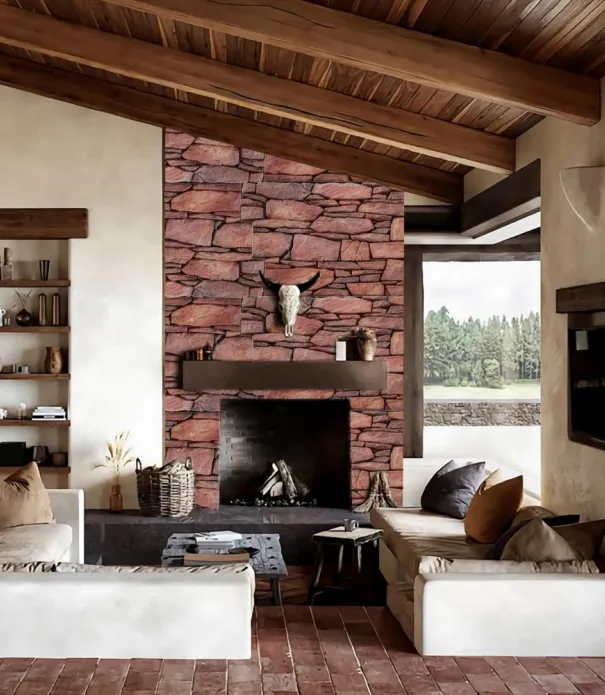
| Weather Condition | PU Stone Wall Panels | Vinyl Siding |
|---|---|---|
| Heat (50°C+) | Retains shape; minimal fading (10+ years UV resistance) | Prone to warping/melting; fades in 5-7 years |
| Cold (-10°C+) | Flexible; resists cracking | Brittle; may crack under impact |
| Rain/Humidity | Water-resistant; interlocking design prevents seepage | Overlap gaps risk water infiltration; prone to mildew |
| Wind (100+ mph) | Withstands 150+ mph winds when properly installed | May tear off in high winds; dents easily |
| Salt Spray (Coastal Areas) | Non-porous; resists salt damage | Salt can degrade surface; risks staining from rusted fasteners |
| Expected Lifespan | 15-25 years with proper maintenance | 10-15 years (often less in extreme climates) |
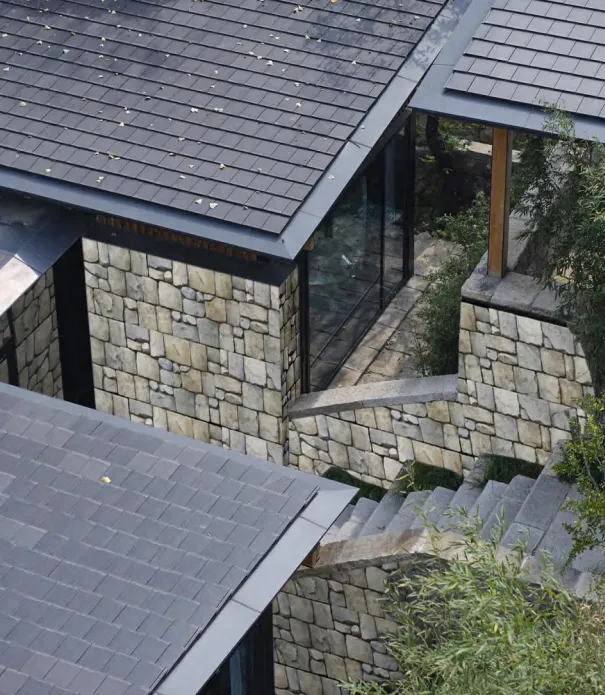
Durability isn't just about weather resistance—it's also about how much work you'll put in to keep the material looking good. Vinyl siding is often touted as "low maintenance," and to be fair, it does require less upkeep than wood. A yearly wash with soap and water is usually enough to keep it clean. But when damage occurs—like a cracked panel or severe fading—repairs can be a hassle. Vinyl panels fade unevenly, so replacing one panel often means replacing an entire section to avoid a mismatched look. And if the color fades significantly, your only option is a full replacement, which can cost thousands.
PU stone wall panels take "low maintenance" to the next level. They're stain-resistant, so most dirt washes off with a hose. Unlike natural stone, they don't require sealing every few years. And because they're colorfast, fading is minimal—even after a decade, the panels will look nearly as good as the day they were installed. Minor scratches or dents are hard to spot thanks to their textured finish, and if a panel does get damaged, most PU stone wall panel suppliers offer replacement panels that match the original color and texture perfectly. With proper installation, PU panels can last 15-25 years, outperforming vinyl by a decade or more.
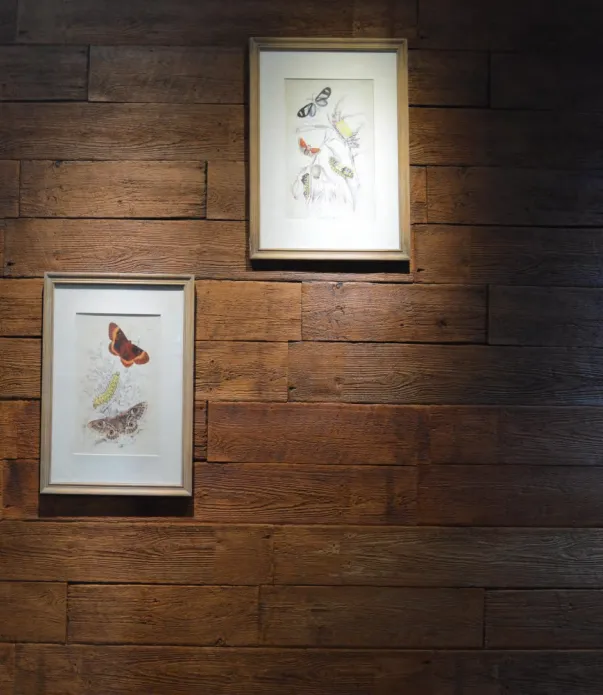
So, when should you choose vinyl siding, and when is PU stone wall paneling the better bet? Vinyl still has its place: if you're on a tight budget and live in a mild climate with little extreme weather, vinyl can be a cost-effective option. It's also a good choice for rental properties or flip houses where long-term durability isn't a priority.
But for most homeowners and commercial builders—especially those in extreme climates—PU stone wall panels are worth the investment. They're ideal for:
Architects and builders are also drawn to PU stone wall panel solutions for their design flexibility. They can mimic any stone type—from rugged granite to smooth limestone—and come in a range of colors and textures. This makes them perfect for architectural façade solutions that require both durability and curb appeal.
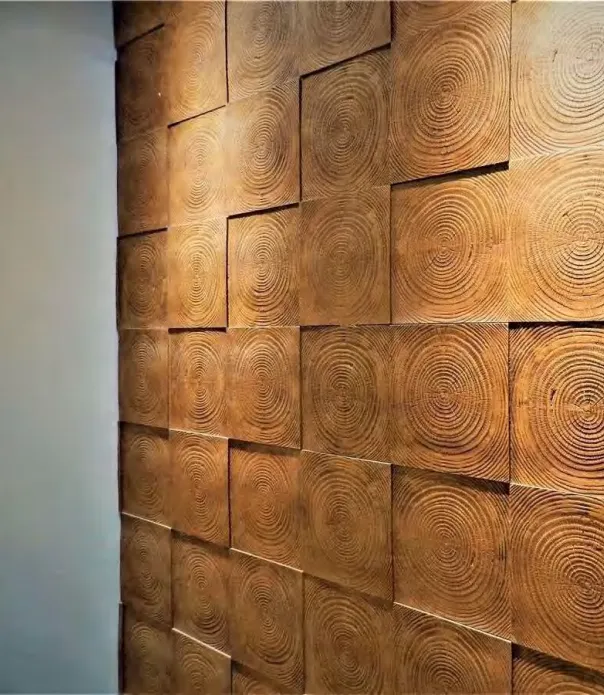
Let's talk numbers. Vinyl siding is cheaper upfront, with material costs ranging from $3-$7 per square foot. PU stone wall panels, on the other hand, cost $8-$15 per square foot. At first glance, vinyl seems like the better deal. But when you factor in longevity and maintenance, the math shifts. Vinyl needs replacement every 10-15 years, while PU panels last 15-25 years. Over 25 years, you'd replace vinyl twice, spending $6-$14 per square foot (plus labor), while PU costs $8-$15 once. Add in the cost of repainting or repairing faded vinyl, and PU becomes the more economical choice in the long run.
Plus, PU stone wall panels can boost your home's resale value. Their authentic stone-like appearance and reputation for durability are major selling points for buyers, who often see them as a premium upgrade over vinyl. In fact, some real estate agents estimate that homes with stone or stone-like exteriors sell for 5-10% more than those with vinyl siding.
When it comes to extreme weather durability, PU stone wall panels outshine vinyl siding in nearly every category. They resist heat, cold, rain, wind, salt, and UV rays better than vinyl, last longer, and require less maintenance. While vinyl is still a budget-friendly option for mild climates, PU panels offer superior value for homeowners and builders who want a façade that can handle whatever the weather throws at it.
If you're ready to invest in a durable, low-maintenance exterior, start by finding a reputable PU stone wall panel supplier. Look for suppliers who offer warranties (10+ years is a good sign), provide installation guidance, and have a track record of success in your climate. With PU stone wall panels, you're not just buying a cladding material—you're buying peace of mind, knowing your building's exterior will look great and stay strong for decades to come.
Recommend Products











