

In the world of architecture and interior design, the walls we choose do more than just divide spaces—they tell a story. They set the tone for a home, shape the identity of a commercial building, and even influence how we feel within a space. For decades, natural stone has been the gold standard for luxury and durability, gracing everything from ancient temples to modern skyscrapers. But in recent years, a new contender has emerged: PU stone wall panels. Lightweight, versatile, and designed to mimic the look of natural stone, these panels are changing the game for architects, contractors, and homeowners alike.
If you're knee-deep in a renovation project or planning a new build, you've probably asked yourself: Should I go with traditional natural stone, or is PU stone wall panel the smarter choice? It's not a decision to take lightly. The answer hinges on factors like budget, timeline, design goals, and long-term maintenance. In this article, we'll break down the key differences between PU stone wall panels and natural stone, focusing on the two areas that matter most to most projects—cost and installation. By the end, you'll have a clear picture of which material aligns with your needs, whether you're aiming for a rustic villa facade, a sleek office interior, or a budget-friendly home upgrade.
Let's start with the newer kid on the block: PU stone wall panels. PU, short for polyurethane, is a synthetic material known for its flexibility, strength, and light weight. PU stone wall panels are engineered to replicate the texture, color, and depth of natural stone—think granite, limestone, or travertine—but with a few key upgrades. Manufacturers blend polyurethane resin with additives like mineral fillers, pigments, and reinforcing fibers to create panels that look and feel remarkably like the real thing, minus the heaviness and hassle.
One of the biggest draws of PU stone wall panels is their versatility. They come in a wide range of styles, from rough-hewn "cobblestone" textures to smooth, modern "slate" finishes. Some are even designed with 3D patterns to add depth to a wall. And because they're made in a factory, you can expect consistent color and texture across every panel—a level of uniformity that's nearly impossible to achieve with natural stone, where each slab is one-of-a-kind (for better or worse).
But what really sets PU stone apart is its practicality. These panels are lightweight —often 70-80% lighter than natural stone. That means they're easier to transport, handle, and install, even on upper floors or in spaces with limited structural support. They're also flexible , which makes them ideal for curved surfaces or uneven walls where rigid natural stone would crack or fail. And thanks to their closed-cell structure, many PU panels offer added benefits like water resistance, thermal insulation, and sound absorption—features that can (enhance) energy efficiency and comfort in a building.
In recent years, "pu stone wall panel solutions" have become a go-to for architects and designers working on tight budgets or fast-track projects. Whether you're cladding a restaurant exterior, updating a hotel lobby, or adding accent walls to a residential home, these panels offer a way to achieve high-end stone aesthetics without the high-end price tag or logistical headaches.
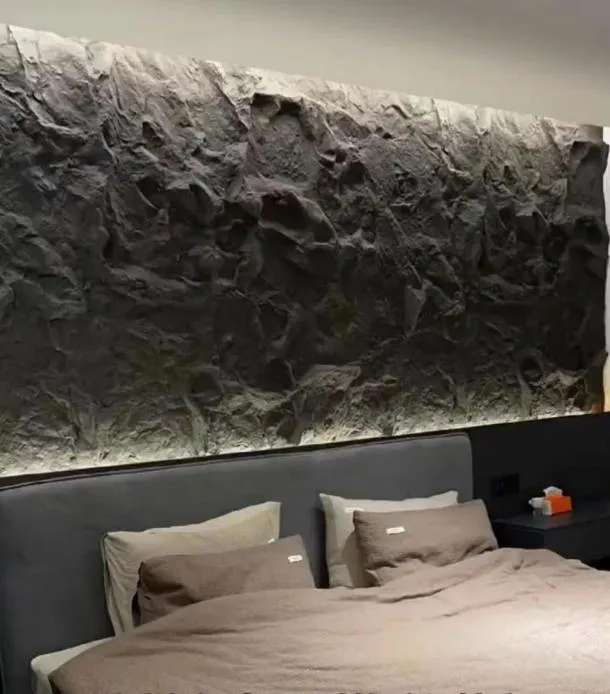
Now, let's turn to the classic: natural stone. Formed over millions of years by geological processes, natural stone is as old as the Earth itself. From the marble of the Taj Mahal to the granite countertops in luxury kitchens, it's prized for its uniqueness, durability, and timeless beauty. Common types used in wall panels include granite (known for its hardness), marble (celebrated for its veining), limestone (soft and porous), and travertine (with its characteristic pitted texture).
The journey of natural stone from quarry to wall is a labor-intensive one. It starts with mining—huge blocks of stone are extracted from quarries using diamond-tipped saws or explosives. These blocks are then transported to processing facilities, where they're cut into slabs of varying thicknesses, polished (or left rough), and sometimes treated with sealants to enhance durability. The result? Each slab is a unique work of art, with patterns and colors that can't be replicated by any man-made material.
Natural stone's appeal lies in its authenticity. There's something inherently luxurious about knowing your wall is made from a material that took centuries to form. It also boasts impressive durability—when properly maintained, natural stone can last for generations. Historical buildings around the world stand as proof: the Colosseum's travertine walls have weathered 2,000 years of rain, wind, and sun. For projects where longevity and a "legacy" feel are priorities, natural stone is hard to beat.
That said, natural stone isn't without its challenges. Its weight is a major factor—granite, for example, can weigh up to 150 pounds per square foot. This requires strong structural support, which can add costs to a project. It's also porous, meaning it needs regular sealing to prevent staining from water, oil, or dirt. And because each slab is unique, matching colors or patterns across a large project can be tricky (and expensive if you need to source additional stone later).
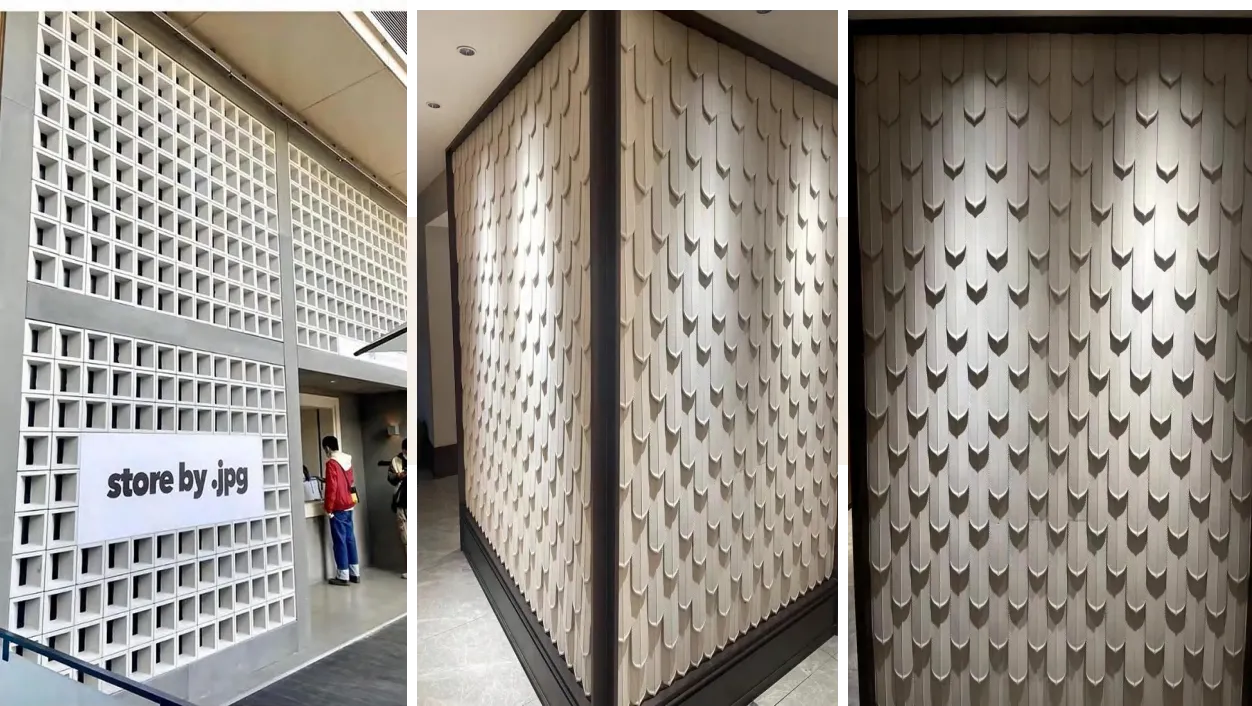
Let's get to the bottom line: cost. When comparing PU stone wall panels and natural stone, it's not just about the upfront price tag—you need to consider long-term expenses, too. Let's break it down.
On average, natural stone wall panels are significantly more expensive upfront than PU stone. Why? It all comes down to supply chain and labor. Natural stone has to be quarried, transported, cut, and finished by skilled craftsmen—each step adding to the cost. For example, high-end granite slabs can cost anywhere from $50 to $200 per square foot, depending on the type and origin. Rare stones like marble or onyx can push that price even higher, sometimes exceeding $300 per square foot.
PU stone wall panels, on the other hand, are mass-produced in factories using synthetic materials, which keeps costs low. Most PU panels range from $10 to $40 per square foot, with some premium designs (think ultra-realistic textures or custom colors) topping out around $60. That's a fraction of the cost of natural stone, making PU an attractive option for projects with tight budgets or large surface areas to cover.
But wait—there's a catch. If you're working with a "pu stone wall panel supplier" that offers custom solutions (like unique textures or fire-resistant coatings), the price might edge up. Even so, it's unlikely to reach the stratospheric costs of rare natural stone.
Initial cost is just the start. Over time, natural stone can rack up higher maintenance expenses. Because it's porous, natural stone needs to be sealed every 1-3 years to prevent stains and water damage. A professional sealing job can cost $2-$5 per square foot, adding up over decades. If the stone cracks or chips (which can happen due to impact or shifting foundations), repairs are expensive—you might need to replace an entire slab, which means matching the original stone (often difficult) and paying for labor. For example, fixing a cracked marble panel could cost $200-$500, depending on the size and complexity.
PU stone wall panels, by contrast, are low-maintenance. Their non-porous surface resists stains, mold, and mildew, so they rarely need sealing. A quick wipe with soap and water is usually enough to keep them looking new. If a panel does get damaged (say, from a wayward basketball or moving furniture), replacing it is simple and affordable—most suppliers sell individual panels for $15-$50, and installation takes minutes. Over 10-20 years, these savings can add up to thousands of dollars.
Don't forget about hidden costs—those sneaky expenses that pop up during installation or construction. For natural stone, the biggest hidden cost is structural support. Because stone is so heavy, you may need to reinforce walls, floors, or foundations to bear the weight. This can involve adding steel beams, thicker concrete, or specialized framing, which can cost $1,000-$5,000 or more, depending on the project.
Transportation is another hidden cost for natural stone. Quarried stone is often sourced from far-flung locations—Italy for marble, Brazil for granite, India for sandstone. Shipping massive slabs across the globe adds hundreds (if not thousands) of dollars to the total bill. PU stone panels, being lightweight, are much cheaper to transport—some suppliers even ship them flat-packed to save space.
Finally, labor costs for installation (which we'll dive into next) are generally higher for natural stone, adding another layer of expense.
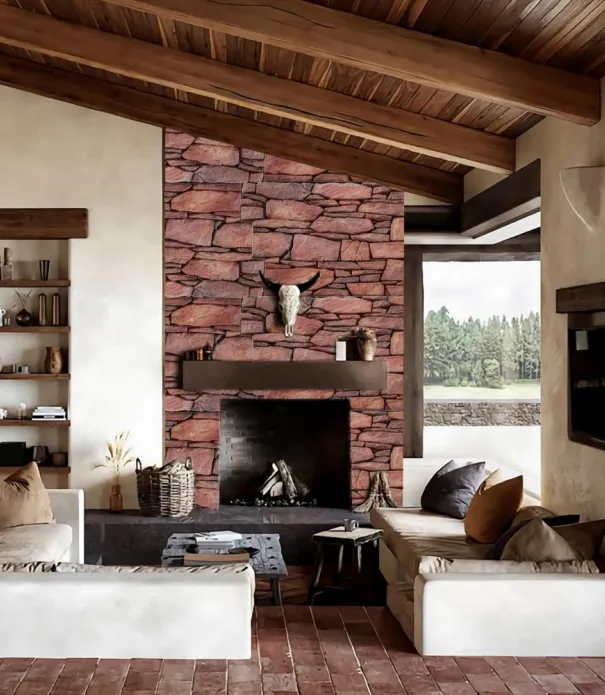
Installation is where PU stone wall panels and natural stone really diverge. What might take a team of experts weeks for natural stone could be a weekend project for a crew using PU panels. Let's break down the process, time, and skill required for each.
Installing natural stone is a labor-intensive, multi-step process. First, the wall surface must be perfectly flat and structurally sound—even minor imperfections can cause the heavy stone slabs to crack or shift. If the wall isn't level, contractors may need to build a substrate (like a cement board backing) to create a stable base. Next, the stone slabs are cut to size using specialized tools (diamond saws, grinders), which generate a lot of dust and require safety gear. Once cut, the slabs are attached to the wall using mortar or cement, which needs time to cure (usually 24-48 hours per section). Finally, the joints are filled with grout, and the stone is sealed to protect it from moisture.
PU stone wall panels, by contrast, are designed for speed and simplicity. Most panels come with a peel-and-stick backing or are attached using construction adhesive—no mortar, no grout, no curing time. The lightweight nature of PU means you don't need a reinforced substrate; they can be installed directly over drywall, plywood, or even existing tiles (as long as the surface is clean and smooth). Cutting PU panels is a breeze—you can use a utility knife or jigsaw, with minimal dust. And because they're lightweight, one person can handle and install a panel, reducing the need for a large crew.
Time is money, especially in construction. Installing natural stone is slow going. For a small project, like a 100-square-foot accent wall, expect the process to take 3-5 days (including prep work, cutting, installation, and curing). For larger projects—a commercial building facade, for example—it could take weeks or even months. Delays are common, too: bad weather can halt mortar curing, or a slab might crack during cutting, requiring a replacement.
PU stone wall panels, on the other hand, are a time-saver. The same 100-square-foot accent wall? A skilled contractor could knock that out in a single day. Even large-scale projects, like cladding an entire house exterior, might take just 3-5 days. This speed is a game-changer for projects with tight deadlines, like retail store renovations that need to reopen quickly or rental properties that can't afford long vacancies.
Installing natural stone is a job for professionals. It requires specialized knowledge of stone cutting, mortar mixing, and structural engineering. A single mistake—like using the wrong type of mortar or failing to level a slab—can lead to costly repairs down the line. As a result, natural stone installers charge premium rates, often $50-$100 per hour.
PU stone wall panels, by comparison, are DIY-friendly (though we still recommend hiring a pro for large projects). Many homeowners with basic handyman skills can install them, thanks to simple peel-and-stick or adhesive application. Even if you hire a contractor, you won't need a specialist—general contractors or even experienced handymen can handle the job, charging $20-$40 per hour. This lower skill requirement translates to lower labor costs, further widening the gap between PU and natural stone.
| Factor | PU Stone Wall Panels | Natural Stone |
|---|---|---|
| Initial Cost | $10-$60 per square foot | $50-$300+ per square foot |
| Long-Term Maintenance Cost | Low (no sealing needed; occasional cleaning) | High (sealing every 1-3 years; expensive repairs) |
| Installation Time | Fast (1-3 days for average projects) | Slow (3-10+ days for average projects) |
| Structural Support Needed | Minimal (lightweight; can be installed on most surfaces) | Extensive (requires reinforced walls/foundations) |
| Skill Level for Installation | Basic (DIY-friendly; general contractors can handle) | Advanced (requires specialized stone masons) |
| Durability | Good (resistant to impact, moisture, and UV rays; lasts 15-25 years) | Excellent (resistant to wear; lasts 50+ years with proper care) |
| Design Flexibility | High (custom colors, textures, and shapes; can bend around curves) | Moderate (limited by natural slab size and weight; hard to customize) |
| Environmental Impact | Lower (less energy-intensive to produce; some panels are recyclable) | Higher (quarrying disrupts ecosystems; high transportation emissions) |

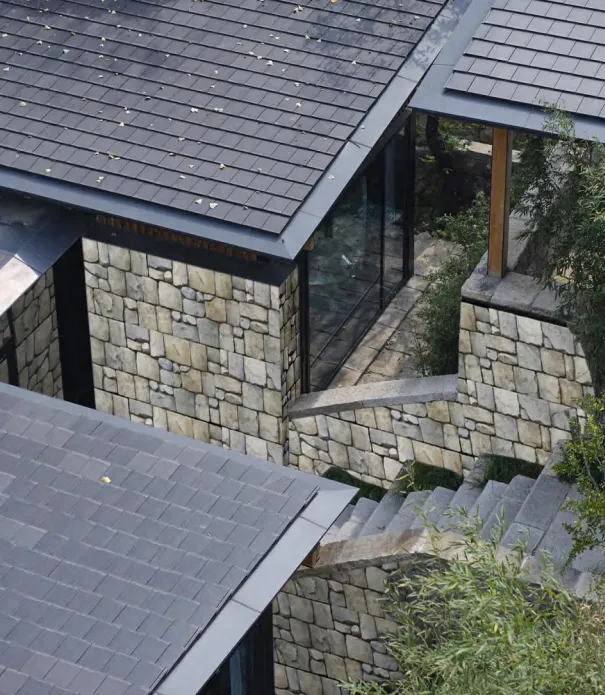
So, how do you decide which material is right for your project? Let's zoom out and think about real-world applications, especially when it comes to "architectural façade solutions"—the exterior walls that define a building's character.
For high-end commercial projects where luxury and legacy are priorities—think a five-star hotel or a corporate headquarters—natural stone might still be the way to go. Its timeless beauty and durability make a statement that PU, for all its realism, can't quite match. Similarly, historic renovations often require natural stone to maintain authenticity.
But for most other projects, PU stone wall panels shine. They're ideal for residential exteriors (where budget and speed matter), retail spaces (which need frequent updates to stay trendy), and commercial buildings (where energy efficiency and low maintenance are key). For example, a restaurant owner looking to create a rustic stone facade on a tight timeline could save tens of thousands by choosing PU over natural stone. A school or hospital (which prioritizes safety and quick construction) might opt for PU panels with fire-resistant coatings—many "pu stone wall panel solutions" now include Class A fireproof options, making them suitable for public spaces.
It's also worth considering location. In areas with extreme weather—like coastal regions with salt spray or northern climates with freeze-thaw cycles—PU stone's resistance to moisture and temperature fluctuations gives it an edge over natural stone, which can degrade over time in harsh conditions.
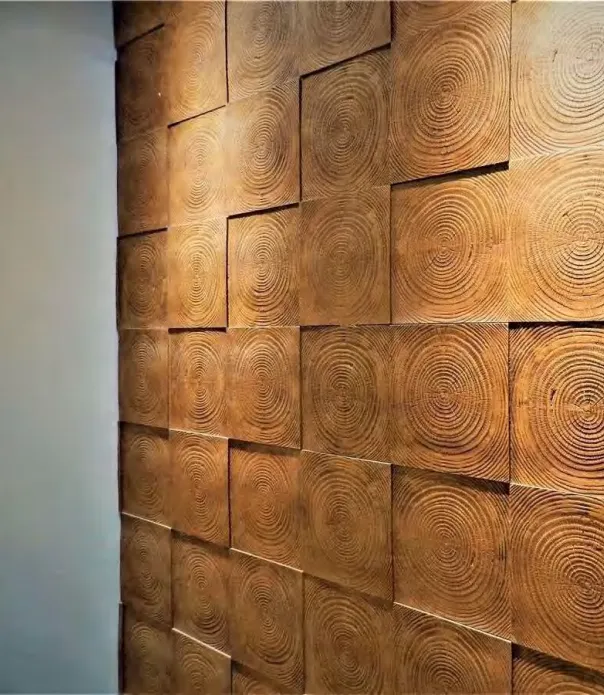
At the end of the day, there's no "better" material—only the better material for your project. Natural stone offers unmatched beauty and longevity, but it comes with a steep price tag and logistical challenges. PU stone wall panels, on the other hand, deliver affordability, speed, and versatility, all while mimicking the look of natural stone.
If you're working with a limited budget, need to finish quickly, or want design flexibility (like curved walls or custom colors), PU stone is the clear winner. And with reputable "pu stone wall panel suppliers" offering high-quality, realistic options, you won't have to sacrifice aesthetics for practicality.
If budget is no object, and you're after the authentic, one-of-a-kind look of natural stone, then go for it—but be prepared for higher costs and a longer timeline. Just remember: natural stone is an investment that will last generations, so it's a choice that pays off in legacy.
Whichever you choose, the key is to align your material with your project goals. After all, the best walls aren't just built—they're built smart .
Recommend Products











