

As a saudi arabia building materials supplier with over a decade of experience, I've sat across the table from countless architects, contractors, and homeowners staring at samples of stone—some rough-hewn and earthy, others sleek and uniform—and asking the same question: "Which one is right for my project?" More often than not, the debate boils down to two contenders: PU stone wall panels and natural stone. It's a choice that shapes not just the look of a space, but its budget, timeline, and even environmental footprint. Today, I want to pull back the curtain on this decision, sharing insights from our work with clients across Saudi Arabia and beyond. Whether you're building a luxury villa in Riyadh, a commercial complex in Jeddah, or a cozy home in Dammam, this guide will help you navigate the nuances of pu stone wall panel solutions and natural stone options—because at the end of the day, the best choice is the one that aligns with your vision.
Let's start with the basics. When we talk about "PU stone wall panels," we're referring to a synthetic material made from polyurethane (PU) resin, blended with mineral fillers and pigments to mimic the texture and appearance of natural stone. These panels are lightweight, flexible, and often pre-finished, making them a favorite for both interior and exterior applications. As a pu stone wall panel supplier , we've seen them evolve from niche products to mainstream solutions, thanks to advancements in manufacturing that now allow them to replicate everything from rugged granite to soft travertine.
On the other side of the ring is natural stone—the real deal. Quarried from the earth, cut into slabs, and polished (or left rough), natural stone includes classics like granite, marble, travertine, and limestone. Each piece is unique, bearing the marks of millions of years of geological formation: veins of mineral deposits, fossilized fragments, and color variations that no machine can perfectly. As someone who also partners with granite stone suppliers and travertine suppliers , I can attest to the raw, unfiltered beauty of these materials. They're not just building products; they're pieces of the planet's history.
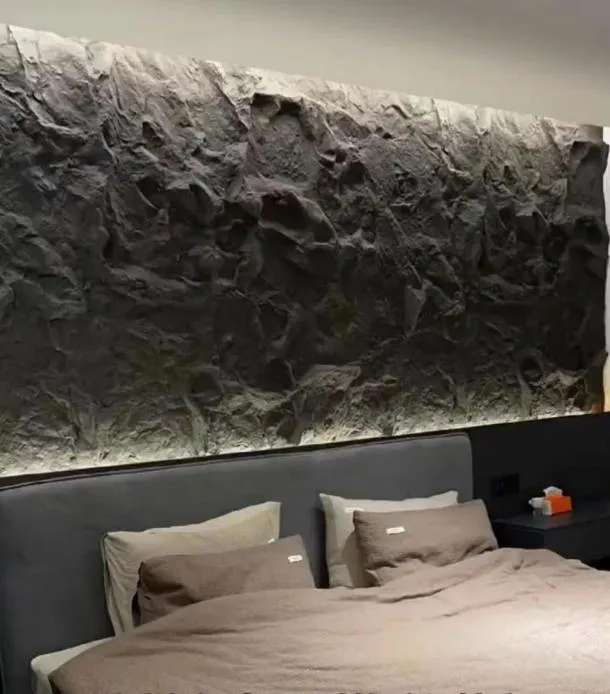
Let's be honest—when most people choose stone, they're chasing a look. So how do PU panels and natural stone stack up in the beauty department?
Natural stone wins hands down when it comes to uniqueness. Walk through a quarry with a granite stone supplier , and you'll see that no two slabs are identical. A vein of quartz might snake through one piece of black granite, while another has flecks of gold. Travertine, with its porous, honeycombed surface, tells a story of ancient hot springs. For clients who want a space that feels "one of a kind," natural stone is irreplaceable. I remember a hotel project in Jeddah where the designer insisted on travertine for the lobby walls. "I want guests to feel like they're stepping into a 17th-century Italian villa," he said. The natural pitting and warm beige tones of the travertine delivered exactly that—history you can touch.
PU stone panels, though, are no slouch in the looks department. Modern manufacturing techniques have gotten eerily good at mimicking natural textures. Our pu stone wall panel solutions include options that replicate the rough-hewn surface of fieldstone, the smooth polish of marble, and even the layered look of stacked slate. The advantage? Consistency. If a client wants 500 square meters of "limestone" walls with zero variation in color or pattern, PU panels deliver. Last year, an architect in Riyadh came to us with a problem: his client wanted a sleek, minimalist exterior for a high-rise apartment building, but the natural limestone they'd sampled had too much variation. We suggested our PU limestone-look panels, and the result was a uniform, contemporary facade that looked just as elegant as the real thing—without the headache of sorting through dozens of slabs to find matching pieces.
The trade-off? Some designers argue that PU lacks the "soul" of natural stone. "It feels too perfect," one architect told me. "Natural stone has imperfections that make a space feel alive." There's truth to that—but here's the flip side: PU's consistency can be a lifesaver for large-scale projects where uniformity is key. It's all about what "beauty" means to you: the organic chaos of nature or the controlled precision of modern engineering.
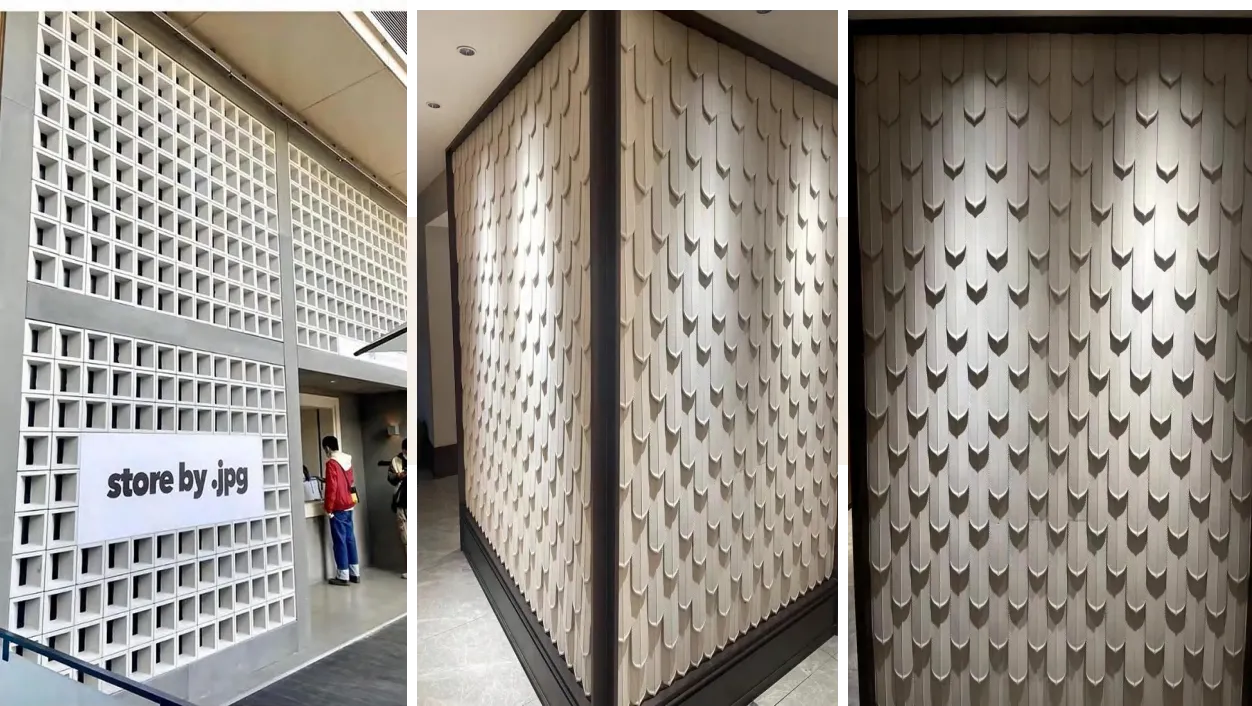
Beauty fades if the material can't stand the test of time. So let's talk durability—how do these two options hold up in the harsh realities of daily life (and Saudi Arabia's extreme climate)?
Natural stone is legendary for its toughness. Granite, for example, is one of the hardest materials on Earth, scoring a 6-7 on the Mohs scale (diamonds are a 10). A granite stone supplier will tell you it resists scratches, heat, and stains—why it's a staple in kitchens and high-traffic areas. But it's not indestructible. Marble, for instance, is softer (3-4 on the Mohs scale) and prone to etching from acidic substances like lemon juice or vinegar. Travertine, with its pores, absorbs water, which can lead to mold or mildew if not sealed regularly.
PU stone panels, surprisingly, bring some unique durability benefits to the table. Because they're made from polyurethane, they're flexible—meaning they can bend slightly without cracking, a huge plus in areas with temperature fluctuations (hello, Saudi summers!). They're also water-resistant by nature. Unlike natural stone, which often requires sealing, PU panels won't absorb moisture, making them ideal for bathrooms, kitchens, or exterior walls exposed to rain. I once worked with a homeowner in Dammam who installed natural granite on his outdoor patio. Within a year, the saltwater breeze had started to pit the surface, and he was spending hundreds on annual sealing. We replaced it with our pu stone wall panel solutions , and three years later, the panels still look brand new—no sealing required.
That said, PU isn't as scratch-resistant as granite. A sharp object dragged across it might leave a mark, whereas granite would laugh it off. And while PU can handle heat (most are rated to withstand temperatures up to 80°C), it's not fireproof. Natural stone, on the other hand, is inherently fire-resistant—a critical factor for commercial projects or hospitals (which is why materials like Class A fireproof CPL inorganic boards are popular, but that's a topic for another day).
So, durability verdict? It depends on the threat. For scratch resistance and fire safety, natural stone (especially granite) is better. For water resistance, flexibility, and low maintenance, PU panels shine.
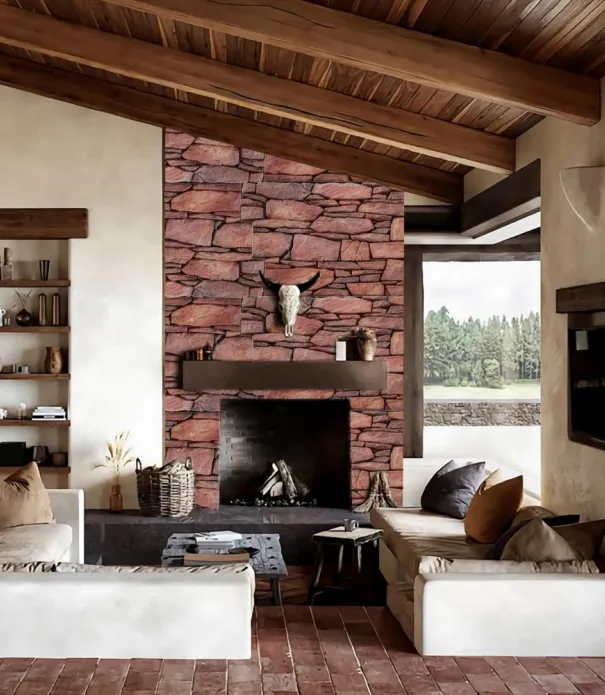
Here's where the rubber meets the road—or rather, the stone meets the wall. Installation is often the most overlooked part of the decision, but it can make or break a project's timeline and budget.
Natural stone is heavy. A standard 2cm-thick granite slab weighs about 50 kg per square meter—imagine lifting that up a 10-story building. Installing it requires a team of skilled masons, specialized equipment (like cranes for exterior projects), and structural support. Walls often need reinforcing to bear the weight, and cutting the stone to size requires diamond-tipped saws and water cooling systems. All of this adds time and labor costs. A travertine supplier once told me about a residential project in Riyadh where installing natural travertine walls took six weeks longer than planned because the crew underestimated the weight and had to reinforce the framing mid-project. The result? A budget overrun of 30%.
PU stone panels, by contrast, are lightweight—typically 5-8 kg per square meter. That's light enough for two people to carry and install without heavy machinery. They often come with interlocking systems or adhesive backing, meaning you can mount them directly to drywall, concrete, or even wood without major structural modifications. Last year, we supplied pu stone wall panel solutions for a restaurant renovation in Khobar. The contractor told us the installation took half the time of natural stone, and they saved on labor costs because they didn't need specialized masons—just a general contractor crew. "We finished the entire dining room walls in three days instead of two weeks," he said. "That meant the restaurant could open earlier, which was worth every penny."
The catch? PU panels require a smooth, flat surface to adhere properly. If the wall is uneven, you'll need to prep it with a layer of cement board or drywall, which adds some time. But compared to the structural work needed for natural stone, it's a minor hurdle.
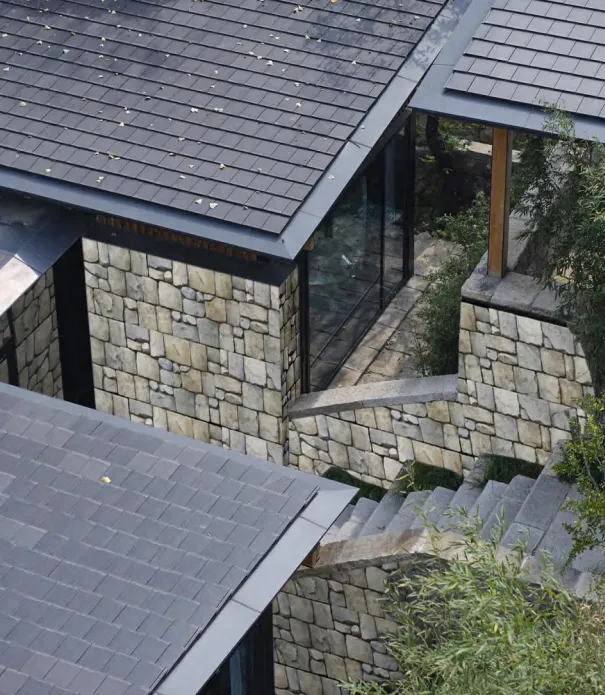
Let's talk numbers—a topic that always gets clients leaning forward in their chairs. How do PU stone panels and natural stone compare in cost?
Natural stone has a higher upfront price tag. Depending on the type and quality, you're looking at $80 to $150 per square meter for the material alone (and that's before installation). Rare stones like marble or imported granite can go even higher. Then there's the installation cost: because it requires skilled labor and equipment, you might add another $50 to $100 per square meter. A granite stone supplier will remind you that this is an investment—natural stone can last a lifetime with proper care. But for clients on a tight budget, that initial sticker shock is hard to swallow.
PU stone panels are significantly cheaper upfront. Our pu stone wall panel solutions range from $30 to $50 per square meter for materials, and installation is around $20 to $40 per square meter (thanks to lower labor requirements). That's a total cost of $50 to $90 per square meter—less than half the cost of high-end natural stone. But here's where it gets interesting: long-term costs. Natural stone requires maintenance: sealing every 1-2 years ($5 to $10 per square meter), occasional repairs for chips or cracks, and professional cleaning. PU panels? They're low-maintenance. A quick wipe with soap and water is usually enough, and they don't need sealing. Over 10 years, the total cost of natural stone could end up being higher than PU—especially if you factor in maintenance and repairs.
I had a client in Riyadh who was torn between natural granite and PU panels for her villa's exterior. The granite cost twice as much upfront, but she worried PU wouldn't last. We ran the numbers: over 15 years, the granite would require $1,500 in sealing and maintenance, while the PU panels would need almost nothing. She chose PU, and five years later, she still texts me photos of her walls, saying, "They look as good as the day they were installed."
In today's world, "sustainable" isn't just a buzzword—it's a priority for many clients, especially those working on LEED-certified projects or eco-friendly developments. So how do PU and natural stone measure up here?
Natural stone has a mixed reputation. On the plus side, it's a natural, biodegradable material that can last for centuries (think of ancient Roman structures built with travertine). But mining it takes a toll: quarries disrupt ecosystems, require heavy machinery that burns fossil fuels, and generate waste. Transporting large slabs also adds to the carbon footprint—especially if the stone is imported. A travertine supplier once showed me photos of a quarry in Turkey; while they'd reclaimed some land, the initial excavation had altered the landscape dramatically.
PU stone panels, being synthetic, might seem less eco-friendly at first glance. But modern pu stone wall panel solutions are often made with recycled materials (like post-industrial plastic) and require less energy to produce than quarrying and cutting natural stone. They're also lightweight, which reduces fuel consumption during transportation. Plus, because they're durable and low-maintenance, they have a longer lifespan than some synthetic alternatives, reducing the need for replacement. We recently worked with a developer in Riyadh who was aiming for LEED Silver certification. They chose our PU panels over natural stone because the lower transportation emissions and reduced waste helped them meet their sustainability goals. "We still got the stone look we wanted, but with a smaller carbon footprint," their sustainability consultant told us.
That said, not all PU panels are created equal. Some cheap, low-quality options use toxic chemicals or non-recyclable materials. As a responsible pu stone wall panel supplier , we prioritize panels made with eco-friendly resins and recyclable packaging. It's important to ask suppliers about their manufacturing processes—sustainability is a journey, not a destination.
Not every material is right for every project. Let's break down where PU stone panels and natural stone excel.
Natural stone
is ideal for:
• Luxury projects where uniqueness and "prestige" matter (e.g., high-end hotels,).
• Areas with extreme heat (like outdoor kitchens with grills, where granite's heat resistance is a plus).
• Countertops and flooring, where scratch resistance is critical (though marble is better suited for low-traffic areas here).
• Historical renovations or projects aiming for a "timeless" aesthetic.
PU stone panels
shine in:
• High-rise buildings or upper floors, where weight is a concern (no need for structural reinforcement).
• Interior accent walls, where you want a stone look without the weight or cost.
• Wet areas like bathrooms or basements, thanks to their water resistance.
• Projects with tight deadlines, where quick installation is key.
• Commercial spaces like restaurants or offices, where uniform appearance and low maintenance are priorities.
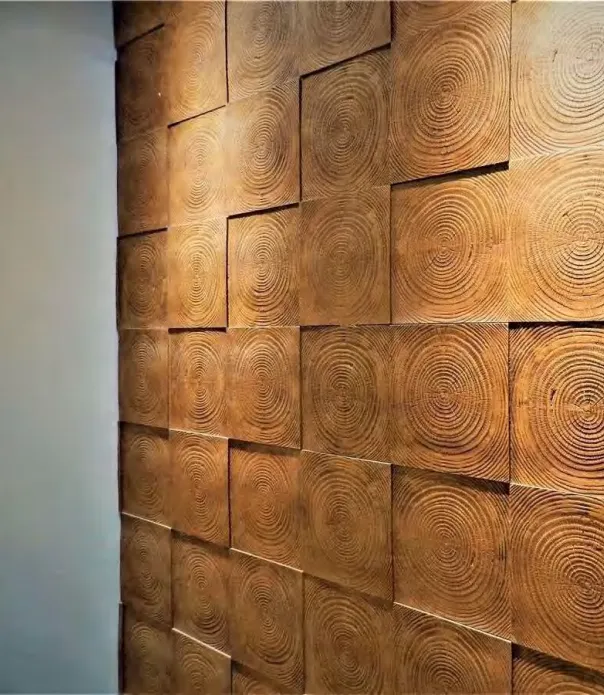
One of our most memorable projects was a children's hospital in Dammam. The designer wanted warm, "natural" walls to create a calming environment, but weight and safety were non-negotiable. We suggested our pu stone wall panel solutions with a wood-grain stone texture. The lightweight panels were easy to install, and their smooth surface was easy to sanitize—perfect for a hospital. Plus, the soft, neutral color helped soothe young patients. It was a win-win: the look of natural stone, with the practicality of PU.
| Feature | PU Stone Wall Panels | Natural Stone (Granite/Travertine) |
|---|---|---|
| Aesthetics | Uniform, customizable; mimics natural textures | Unique, organic; one-of-a-kind patterns and veins |
| Weight | 5-8 kg/sqm (lightweight) | 25-50 kg/sqm (heavy) |
| Installation Time | Fast (3-5 days for 100 sqm) | Slow (2-3 weeks for 100 sqm) |
| Total Cost (Material + Installation) | $50-$90/sqm | $130-$250/sqm |
| Maintenance | Low (soap and water cleaning) | High (sealing every 1-2 years, professional cleaning) |
| Water Resistance | High (no sealing required) | Low to moderate (requires sealing) |
| Sustainability | Lower carbon footprint (lightweight transport, recycled materials) | Higher carbon footprint (quarrying, heavy transport) |
At the end of the day, there's no "better" option—only the right option for your project. As a saudi arabia building materials supplier , I've learned that the best recommendations come from asking questions: What's your budget? How important is uniqueness? Do you need the material to withstand extreme weather? Are you working on a tight timeline?
For clients who prioritize uniqueness, durability, and are willing to invest in upfront costs and maintenance, natural stone (from trusted granite stone suppliers or travertine suppliers ) is unbeatable. For those who want affordability, quick installation, low maintenance, and consistency, pu stone wall panel solutions are a game-changer.
And here's the good news: you don't have to choose one or the other. Some of our most creative clients mix the two. Imagine a kitchen with natural granite countertops (for durability) and PU stone backsplash panels (for uniformity and cost savings). Or an exterior with natural stone at the base (for curb appeal) and PU panels on the upper floors (to reduce weight). The possibilities are endless.
As someone who's spent years helping clients turn their visions into reality, I can tell you this: the most successful projects are the ones that balance beauty, practicality, and budget. Whether you go with PU, natural stone, or a mix, the key is to work with suppliers who understand your goals—and who can guide you toward the solution that fits. After all, building materials aren't just products; they're the building blocks of the spaces where life happens. And that's a responsibility we take seriously.
Recommend Products











