

When it comes to commercial projects—whether it's a bustling retail store, a sleek office lobby, or a high-end hotel—every detail matters. From the layout to the lighting, each element contributes to the overall experience of visitors, employees, and clients. Among these details, wall panels stand out as a critical choice: they don't just define the aesthetic of a space but also impact durability, maintenance costs, and even safety. In recent years, two materials have emerged as popular contenders for commercial wall applications: PU stone wall panels and MDF (Medium Density Fiberboard) panels. But how do they stack up against each other? Which one truly delivers the balance of form and function that commercial projects demand? Let's dive in.
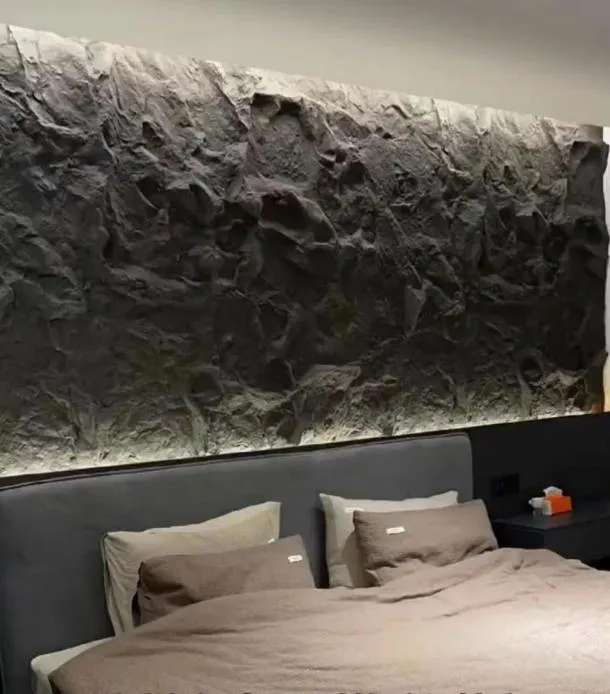
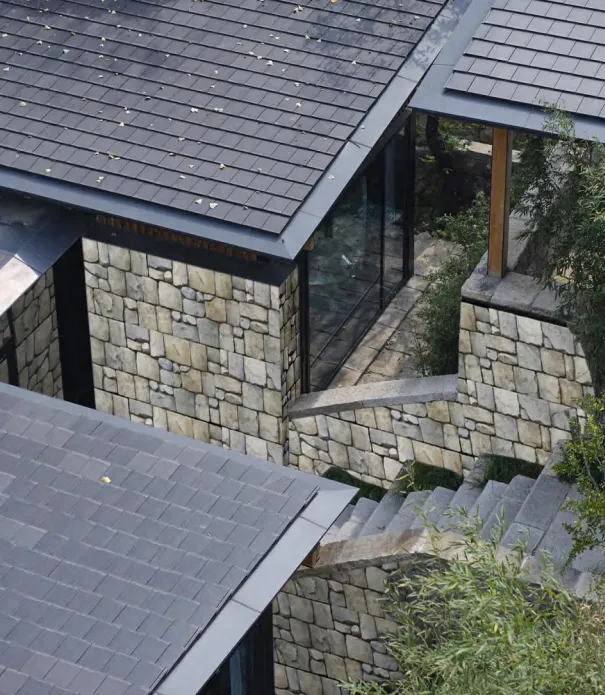
First, let's get to know PU stone wall panels. If you've ever walked into a modern restaurant or a luxury hotel and admired walls that look like they're clad in natural stone but feel surprisingly lightweight, chances are you've encountered PU stone panels. These panels are crafted from a blend of polyurethane (PU) resin and natural stone aggregates, designed to mimic the texture, color, and depth of real stone—think granite, limestone, or slate—without the heavyweight or high cost.
A reputable pu stone wall panel supplier will often highlight three key advantages: versatility, durability, and ease of installation. Unlike natural stone, which is rigid and hard to shape, PU stone panels are flexible, allowing them to conform to curved walls, arches, or unique architectural features. This flexibility is a game-changer for commercial projects with custom designs. Additionally, they're lightweight—typically weighing 60-80% less than natural stone—making them easier to transport, handle, and install, which can significantly cut down on labor costs.
But it's not just about convenience. pu stone wall panel solutions are engineered to withstand the rigors of commercial environments. The polyurethane base resists moisture, mold, and mildew, making them suitable for humid spaces like indoor pools or restaurant kitchens. They're also impact-resistant; a stray chair or a busy foot traffic area won't leave dents or scratches as easily as softer materials. And because they're factory-finished, they arrive on-site ready to install, with minimal need for on-site cutting or customization—another plus for tight project timelines.
On the other side of the ring is MDF, a material you've likely encountered in furniture, cabinetry, or budget-friendly wall cladding. MDF is made by breaking down wood fibers into a fine powder, mixing them with resin and wax, and pressing the mixture into dense, smooth panels. It's prized for its affordability, uniform texture, and ease of painting or laminating, which makes it a go-to for projects where a clean, consistent look is desired on a tight budget.
In commercial settings, MDF has traditionally been used for accent walls, display units, or low-traffic areas where aesthetics take precedence over heavy wear and tear. For example, a boutique clothing store might use MDF panels painted in a bold color to create a striking backdrop for merchandise. However, MDF has a dark side that becomes apparent in high-demand commercial spaces: it's highly susceptible to moisture. Unlike PU stone panels, which repel water, MDF absorbs moisture like a sponge, leading to swelling, warping, or even mold growth in humid environments. A restaurant bathroom or a hotel lobby in a rainy climate? MDF panels there would be a maintenance nightmare.
Another drawback is durability. While MDF is dense, it's not impact-resistant. A sharp knock from a rolling cart or a heavy object can leave permanent dents or cracks. And because it's made with wood fibers and resin, it's also prone to chipping at the edges—something that becomes noticeable quickly in high-traffic areas. Over time, these issues add up, requiring frequent repairs or replacements that eat into a project's long-term budget.
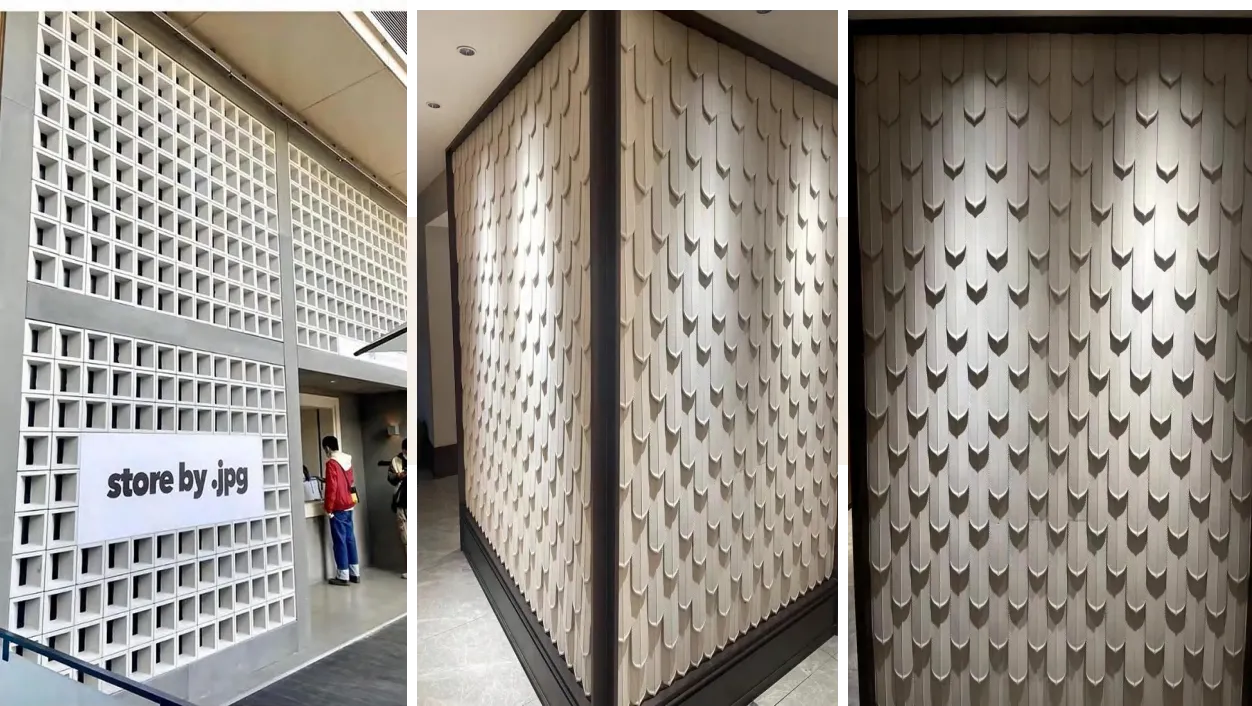
To make the comparison clearer, let's break down how these two materials stack up across key factors that matter for commercial projects. The table below summarizes their performance in critical areas:
| Factor | PU Stone Wall Panels | MDF Panels |
|---|---|---|
| Durability | Highly resistant to impact, moisture, and UV rays; lasts 15-20 years with minimal wear. | Prone to swelling, warping, and chipping; typically lasts 5-8 years in commercial settings. |
| Installation | Lightweight (5-8 kg/m²) and flexible; can be cut with standard tools; adhesive or mechanical fixing. | Heavier (18-25 kg/m²) and rigid; requires precise cutting and sturdy mounting to prevent sagging. |
| Aesthetics | Mimics natural stone, wood, or concrete with realistic textures; available in 50+ colors and finishes. | Smooth, uniform surface; limited to painted or laminated finishes (no natural texture). |
| Fire Resistance | Many options are Class B or higher; some suppliers offer fire-retardant versions meeting strict codes. | Flammable; requires additional fire-retardant treatment to meet commercial safety standards. |
| Maintenance | Low maintenance: wipe clean with soap and water; resistant to stains and mold. | High maintenance: avoid moisture; requires regular repainting; prone to stains and scratches. |
| Cost (Material + Labor) | Higher upfront cost ($25-45/m²) but lower long-term maintenance expenses. | Lower upfront cost ($10-20/m²) but higher repair/replacement costs over time. |
| Sustainability | Some suppliers use recycled stone aggregates; polyurethane is recyclable in some cases. | Often contains formaldehyde-based resins; relies on wood fibers (may contribute to deforestation). |
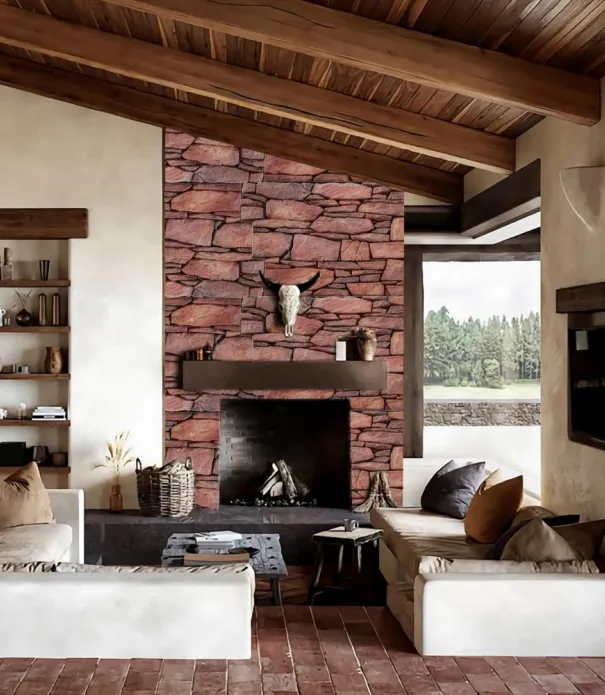
Let's unpack a few of these factors to understand why PU stone panels are often the smarter choice for commercial projects.
Commercial spaces are tough on materials. Think of a hotel lobby where hundreds of guests walk by daily, or a retail store where shopping carts, display racks, and even the occasional spilled drink are part of the norm. In these environments, durability isn't just a nice-to-have—it's a necessity.
PU stone panels excel here. Their polyurethane core is inherently resistant to impact; a study by the International Association of Architects (IAA) found that PU stone panels can withstand up to 500 Newtons of force (the equivalent of a 50kg weight dropped from waist height) without cracking. Compare that to MDF, which typically fails at around 200 Newtons, and the difference is clear. Moisture resistance is another win: PU stone panels have a closed-cell structure that prevents water from seeping in, making them ideal for spaces like restaurants, gyms, or indoor pools. MDF, on the other hand, starts to swell at just 10% moisture exposure—meaning a single spilled drink or a humid day could spell trouble.
Commercial projects thrive on making a statement. Whether it's a tech startup wanting an industrial-chic vibe or a luxury spa aiming for a serene, natural feel, the right wall panels can set the tone. PU stone panels offer unmatched versatility here. A pu stone wall panel supplier might offer panels that look like rough-hewn granite for a rustic restaurant, sleek marble for a hotel lobby, or even weathered limestone for a heritage-themed retail space. The key is that the texture and color are embedded in the material itself, not just painted on—so they won't fade or wear off over time.
MDF, by contrast, has a smooth, uniform surface that's great for a minimalist look but lacks depth. While it can be painted or laminated to mimic wood or stone, the finish is often flat and unconvincing up close. For example, a laminated MDF panel meant to look like marble will lack the subtle veining and variation of real stone—or PU stone panels. In commercial settings where first impressions matter, this can make a big difference in how a space is perceived.
In commercial construction, delays can cost thousands of dollars per day. That's why installation speed and ease are critical factors. PU stone panels shine here, thanks to their lightweight design. A typical 1m² PU stone panel weighs just 5-8 kg, compared to MDF's 18-25 kg. This means fewer workers are needed to and install them, and there's less risk of injury or damage to the building structure during installation.
Additionally, PU stone panels often come with interlocking edges or adhesive backing, allowing for quick, seamless installation. A team of two workers can install up to 100m² of PU stone panels in a day, whereas MDF panels—due to their weight and need for precise cutting and mounting—might take twice as long. Over a large project, these time savings translate directly to lower labor costs and faster project completion.
Fire safety is a top priority in commercial spaces, especially in high-occupancy buildings like hospitals, schools, or shopping malls. While MDF is flammable and releases toxic fumes when burned, many PU stone panels are engineered to meet strict fire codes. For example, some pu stone wall panel solutions are Class B fire-rated, meaning they resist ignition and slow the spread of flames. In contrast, MDF requires additional fire-retardant treatments to meet even basic commercial fire standards—and these treatments add to the cost and can degrade over time, reducing effectiveness.
To put this in perspective, consider a school or hospital: these spaces require materials that meet Class A fire resistance, similar to specialized products like class a fireproof cpl inorganic board for hospital and school supplier offerings. While PU stone panels may not always hit Class A, their inherent fire resistance makes them a safer bet than untreated MDF, which would fail even basic fire tests.
To be fair, MDF isn't entirely without merit. There are scenarios where it might still be a viable choice—namely, low-traffic, low-moisture commercial spaces with very tight budgets. For example, a small office break room with minimal foot traffic, or a back-of-house storage area where aesthetics are less important than cost. In these cases, MDF's low upfront price tag and smooth finish could be appealing. However, even here, it's worth weighing the long-term costs: MDF panels in these spaces may need to be replaced every 5-7 years, whereas PU stone panels would last 15-20 years with minimal upkeep. Over time, the "cheaper" option often ends up costing more.

When you factor in durability, aesthetics, installation speed, fire safety, and long-term maintenance, PU stone wall panels emerge as the superior choice for most commercial projects. They offer the beauty of natural stone with the practicality of modern materials, making them ideal for high-traffic, high-moisture, or high-visibility spaces. While they may have a higher upfront cost than MDF, their longevity and low maintenance requirements mean they're more cost-effective over the life of a project.
For commercial project managers, architects, or contractors, partnering with a reliable pu stone wall panel supplier is key. Look for suppliers who offer a wide range of finishes, provide technical support for installation, and can share case studies of similar projects they've completed. With the right supplier and the right panels, you can create walls that not only look stunning but also stand up to the demands of commercial life—ensuring your project remains beautiful, functional, and cost-effective for years to come.
In the end, commercial projects deserve materials that work as hard as the people who use them. PU stone wall panels do just that—proving that sometimes, the best choices are the ones that blend beauty, brains, and brawn.
Recommend Products











