

In today's competitive retail landscape, a store is more than a space to display products—it's a tangible extension of a brand's identity. From the lighting that highlights merchandise to the textures that evoke emotion, every design choice tells a story. Among these elements, walls stand as the largest, most impactful canvas. They set the tone, guide customer flow, and create the first impression that lingers long after a purchase. For retailers aiming to craft spaces that resonate with their target audience, the choice of wall materials is critical. Enter PU stone wall panels: a modern solution that marries the timeless appeal of natural stone with the practicality and versatility needed for dynamic retail environments. But behind every successful retail wall lies a key partner: the PU stone wall panel supplier, whose solutions transform vision into reality.
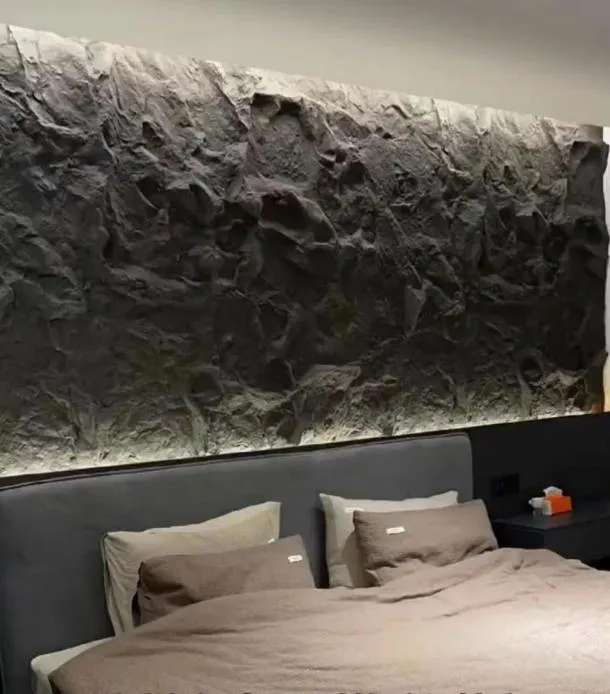
Natural stone has long been revered for its elegance, but its weight, cost, and installation challenges have limited its use in retail settings. PU (polyurethane) stone wall panels emerged as a game-changer, engineered to replicate the look and texture of natural stone—think rough-hewn granite, weathered limestone, or smooth travertine—without the drawbacks. Made from high-density polyurethane foam reinforced with fiberglass, these panels are lightweight, flexible, and designed for durability. For retailers, this means the aesthetic of natural stone without the need for structural reinforcements or exorbitant installation costs.
What makes PU stone panels particularly appealing for retail? Their versatility. Unlike rigid natural stone slabs, PU panels can be curved, cut into custom shapes, or painted to match brand color palettes. A luxury jewelry store might opt for a sleek, polished "marble" finish to exude sophistication, while a bohemian clothing boutique could choose a rough "slate" texture to evoke a rustic, artisanal vibe. This adaptability allows retailers to align their physical space with their brand personality, whether that's minimalist, industrial, or opulent.
Beyond aesthetics, PU stone wall panel solutions offer a host of practical benefits that address the unique demands of retail environments. Let's break them down:
Retail renovations often come with tight timelines—downtime means lost revenue. PU stone panels weigh just 8–12 kg per square meter, a fraction of natural stone's 25–30 kg. This lightness reduces installation time: a team can cover 50–60 square meters in a single day, compared to 20–30 square meters with natural stone. No heavy machinery or structural modifications are needed; panels can be adhered directly to drywall, concrete, or wood using construction adhesive. For retailers rolling out new store concepts across multiple locations, this efficiency translates to faster openings and lower labor costs.
Retail spaces are bustling: customers brush against walls, shopping carts scrape corners, and displays are rearranged weekly. PU stone panels are built to withstand this wear and tear. Their dense polyurethane core resists scratches, dents, and impacts, while a protective topcoat repels moisture, stains, and UV rays. Unlike natural stone, which can crack or chip under pressure, these panels maintain their integrity even in high-traffic areas like entrances, fitting rooms, or checkout zones. For a café with wall booths or a electronics store with interactive displays, this durability ensures the space looks fresh for years.
Natural stone requires quarrying, cutting, and transporting heavy slabs—costs that add up quickly. PU stone panels, by contrast, are mass-produced in factories, reducing material costs by 30–50% compared to natural stone. Installation savings further sweeten the deal: fewer labor hours, no need for specialized stonemasons, and minimal waste. For retailers operating on tight budgets, this means allocating funds to other impactful elements like lighting or custom fixtures, without sacrificing the desired aesthetic.
Today's consumers care about sustainability, and retailers are responding by adopting eco-friendly practices. Leading PU stone wall panel suppliers prioritize sustainability in their manufacturing processes, using low-VOC (volatile organic compound) formulations and recyclable materials. Some even offer panels made from post-consumer recycled foam, reducing environmental impact. Additionally, the lightweight nature of PU panels lowers transportation emissions, and their long lifespan means less frequent replacement—all contributing to a greener retail footprint.
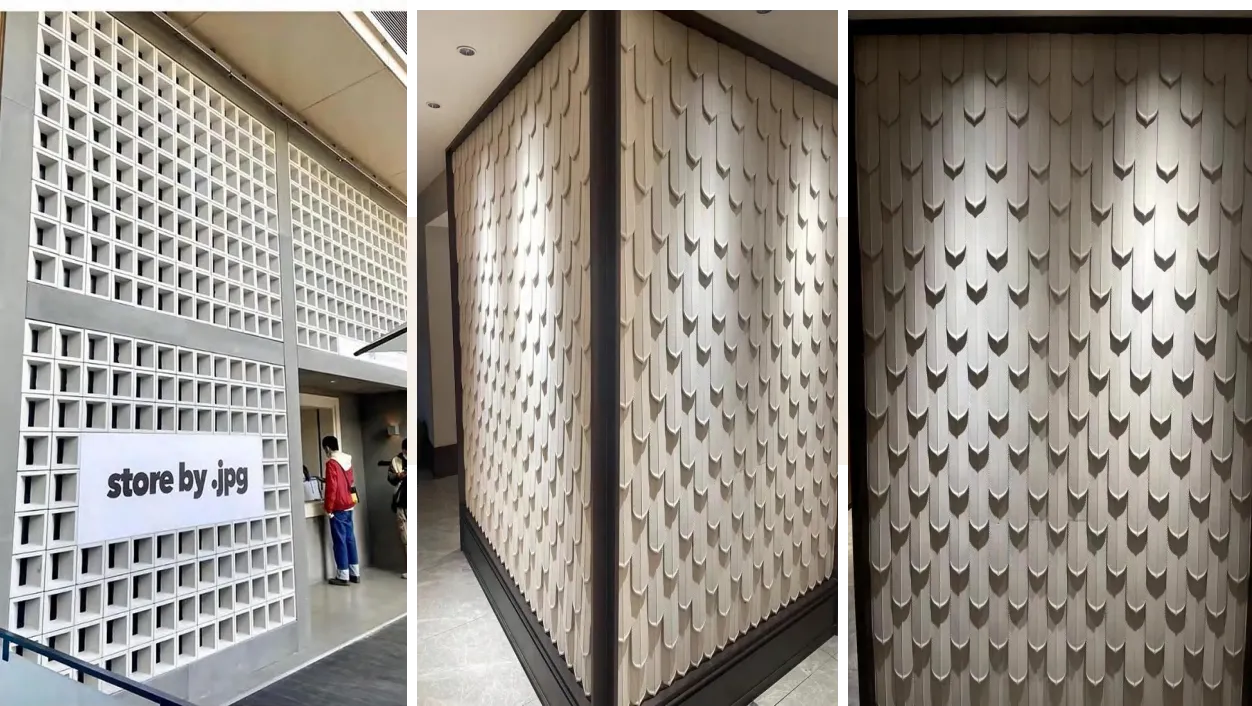
A PU stone wall panel is only as good as the supplier behind it. For retailers, choosing the right supplier isn't just about ordering panels—it's about partnering with a team that understands retail design, brand storytelling, and the technical nuances of installation. The best PU stone wall panel suppliers offer more than products; they deliver end-to-end solutions tailored to the unique needs of retail spaces.
Every brand is unique, and off-the-shelf panels rarely capture that uniqueness. Top suppliers offer customization options that allow retailers to fine-tune every detail: texture depth, color matching (to align with brand Pantones), and even embossed logos or patterns. For example, a premium skincare brand might request panels with a subtle "marble" veining in their signature teal, creating a cohesive look across displays and walls. A sports retailer could opt for a "rough granite" texture in bold red to reflect energy and strength. This level of customization ensures the walls don't just fill space—they reinforce brand recognition.
Retail design often involves complex layouts: curved walls, accent niches, or multi-level displays. A reputable PU stone wall panel supplier provides technical support to navigate these challenges. This includes 3D modeling to visualize the final result, installation guides tailored to retail environments, and on-site training for contractors. For instance, if a retailer wants a curved feature wall behind a cash wrap, the supplier can advise on panel flexibility, cutting techniques, and adhesive selection to ensure a seamless finish. This expertise minimizes errors, reduces waste, and ensures the project stays on schedule.
Retail spaces must meet strict safety standards, from fire resistance to low chemical emissions. A reliable supplier ensures their PU stone panels comply with local regulations—for example, Class A fire ratings for shopping malls or low VOC certifications for spaces frequented by children or sensitive customers. They also provide material samples, test reports, and warranties, giving retailers peace of mind that their walls are both beautiful and safe. In regions like Saudi Arabia, where building codes are stringent, partnering with a local PU stone wall panel supplier familiar with these standards is invaluable, as they can navigate permits and inspections with ease.
As consumers increasingly prioritize eco-conscious brands, retailers are under pressure to adopt sustainable design practices. Leading suppliers recognize this and have invested in green manufacturing: using recycled materials in panel production, reducing water and energy use in factories, and offering panels that are 100% recyclable at the end of their lifespan. Some even provide carbon footprint reports, allowing retailers to showcase their sustainability efforts to customers. For a café chain focused on "eco-luxury," this alignment between supplier and brand values becomes a selling point in itself.
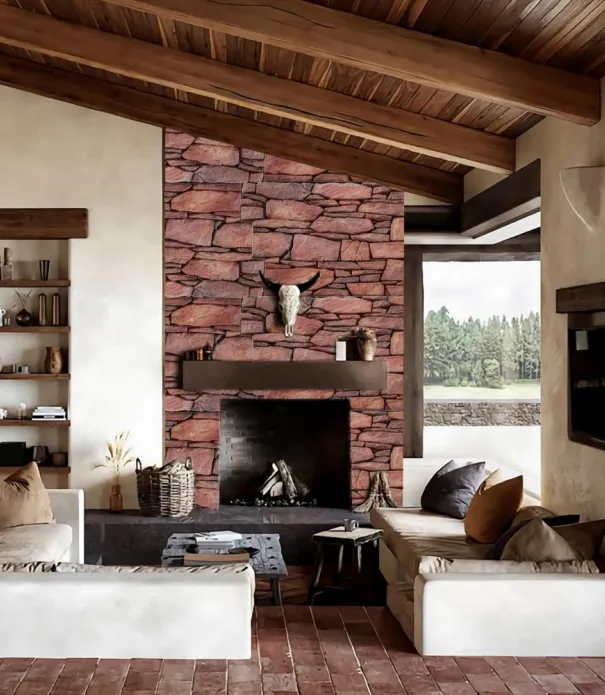
To understand the impact of PU stone wall panel solutions, let's explore how they've transformed real retail spaces:
A high-end fashion brand in Dubai wanted to create a space that felt exclusive yet inviting. Their designer envisioned walls that mimicked the look of Italian travertine—warm, neutral, and timeless. The supplier custom-manufactured PU panels with a subtle honey-toned veining, matching the brand's leather displays and gold fixtures. The lightweight panels were installed in just three days, and the result was a space that felt opulent without the cost of natural travertine. Customers reported feeling "immersed in luxury," and sales associates noted increased dwell time in the fitting room area, where the panels created a cozy, spa-like atmosphere.
A popular café chain aimed to differentiate its new downtown location with an "industrial farmstead" theme. They needed walls that looked like weathered stone but could withstand daily spills and cleaning. The supplier recommended PU panels with a rough "limestone" texture, treated with a water-resistant coating. The panels were cut into irregular shapes to create a patchwork effect, paired with reclaimed wood accents. The result? A space that felt rustic yet modern, with walls that wiped clean easily and showed no signs of wear after six months of heavy use. Customer reviews praised the "unique, Instagrammable" vibe, driving social media engagement and foot traffic.
An electronics brand wanted to highlight its innovative products with a sleek, futuristic space. They chose PU stone panels in a matte "black granite" finish, paired with LED strip lighting embedded in the walls. The supplier provided panels with a smooth, uniform texture to complement the brand's minimalist aesthetic and cut custom slots for the lighting. The lightweight panels allowed for easy installation of hidden wiring, and the result was a high-tech environment where the walls felt like part of the product display—clean, modern, and attention-grabbing.
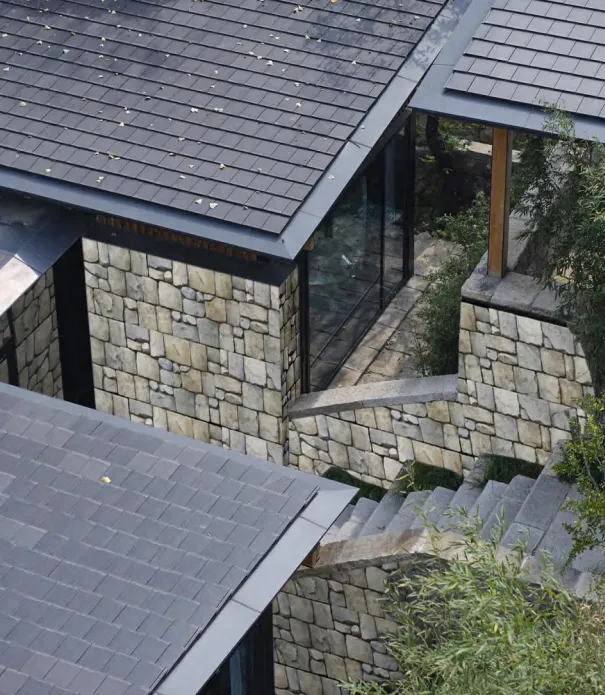
With so many wall materials available, how do PU stone panels stack up? The table below compares PU stone wall panels with other popular options, helping retailers make informed choices based on their priorities:
| Feature | PU Stone Wall Panels | Natural Granite Stone | MCM Flexible Cladding | WPC Wall Panels |
|---|---|---|---|---|
| Weight (kg/m²) | 8–12 | 25–30 | 10–15 | 15–20 |
| Installation Time (per 100m²) | 2–3 days | 5–7 days | 3–4 days | 3–5 days |
| Cost (USD/m², installed) | $40–$60 | $120–$180 | $50–$70 | $30–$50 |
| Durability (Resistance to Scratches/Stains) | High | Very High | Medium-High | Medium |
| Design Flexibility (Curves, Custom Shapes) | Excellent | Poor | Good | Fair |
| Sustainability (Low Emissions, Recyclability) | Good | Medium (Quarrying Impact) | Very Good | Good (Recycled Materials) |
| Best For | Luxury, Custom, or High-Traffic Retail | Premium Spaces with Structural Support | Exterior Facades or Large Wall Areas | Budget-Friendly, Casual Retail |
For most retailers, PU stone panels strike the ideal balance: they offer the natural stone aesthetic that customers love, the durability needed for busy spaces, and the flexibility to align with brand design. While natural stone may still suit ultra-luxury stores with unlimited budgets, PU panels provide a more accessible, practical alternative without compromising on style.
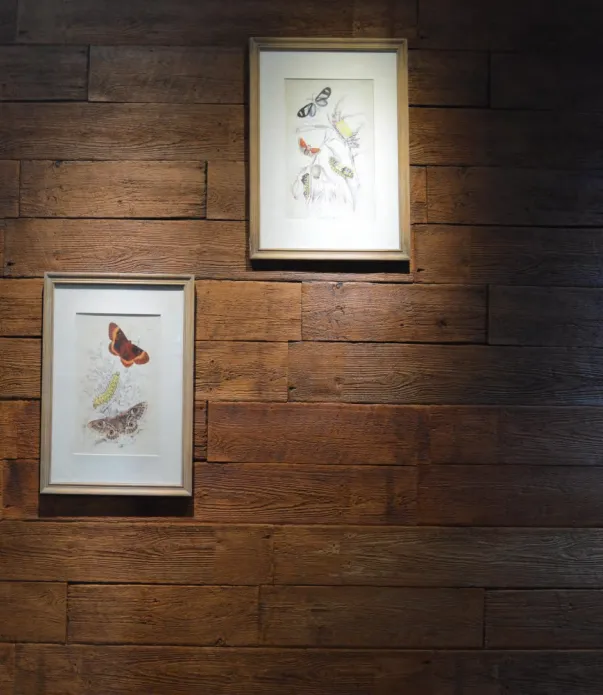
Retail design is constantly evolving, driven by changing consumer expectations and technological advancements. PU stone wall panel suppliers are at the forefront of these trends, adapting their solutions to meet emerging needs:
Biophilic Design: As consumers crave connections to nature, retailers are integrating natural elements into spaces. PU stone panels, with their realistic stone textures, support this trend by bringing the outdoors in—without the maintenance of live plants or the weight of natural stone.
Smart Integration: Future retail walls may incorporate technology like interactive displays or sensors. PU panels, being lightweight and easy to modify, can be engineered to accommodate embedded screens, touch sensors, or even heating elements, creating immersive experiences.
Sustainable Innovation: Suppliers are developing PU panels using bio-based polyurethanes and recycled stone aggregates, further reducing environmental impact. Retailers can expect to see panels with carbon-neutral certifications and circular lifecycle designs (e.g., panels that can be disassembled and recycled at the end of their use).
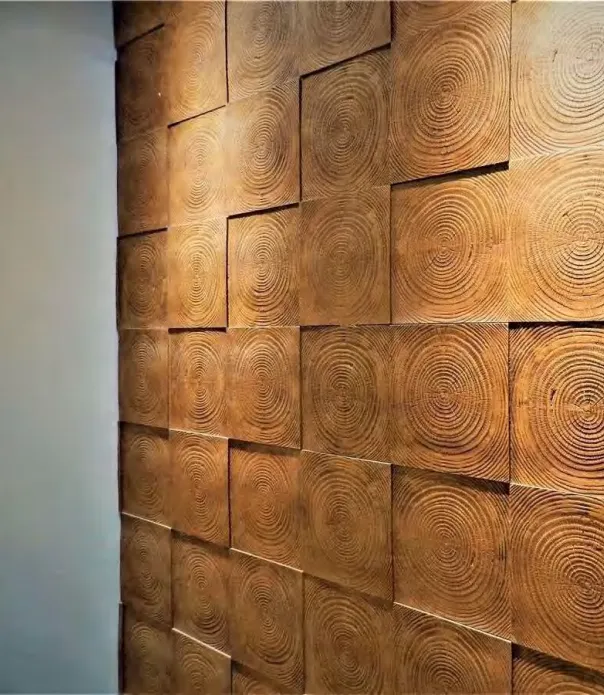
In the world of retail, walls are more than boundaries—they're storytellers. PU stone wall panels have emerged as a powerful tool for retailers to craft these stories, offering the beauty of natural stone with the practicality of modern engineering. But the true magic lies in the partnership between retailer and supplier. A PU stone wall panel supplier that understands retail design, prioritizes customization, and delivers technical expertise doesn't just sell materials—they turn brand vision into a tangible, emotional experience.
For retailers ready to elevate their spaces, the message is clear: choose panels that reflect your brand, and choose a supplier that delivers solutions, not just products. Together, you'll create walls that don't just define your store—they define your brand.
Recommend Products











