

When you step into a restaurant, the first thing that registers isn't just the scent of freshly baked bread or simmering sauces—it's the feeling of the space. The way light plays off the walls, the texture under your fingertips as you brush past a banquette, the warmth of the color palette—these details shape how you experience the meal, whether you realize it or not. Ambiance isn't just a nice-to-have; it's the silent host that turns first-time visitors into regulars, and casual dinners into memorable occasions. For restaurant owners and designers, creating that perfect atmosphere often comes down to one critical element: the walls. They're the canvas on which every other design choice—lighting, furniture, art—rests. But here's the catch: restaurant walls take a beating. From bustling servers rushing through narrow aisles to accidental spills, humidity from kitchens, and the wear of daily cleaning, they need to be as tough as they are beautiful. Traditional materials like natural stone or brick have long been go-to options for their timeless appeal, but they bring a host of challenges: weight, cost, maintenance, and inflexibility. Enter pu stone wall panel solutions—a modern alternative that's redefining how restaurants balance aesthetics and practicality.
Let's start with the classics: natural stone. There's no denying its beauty—granite's speckled elegance, marble's veined luxury, or limestone's earthy warmth. But for restaurant owners, natural stone comes with a steep price tag. Sourcing large slabs, transporting their heavy weight, and hiring specialized installers can quickly blow a renovation budget. Worse, once installed, it's far from low-maintenance. Spills from red wine or acidic sauces can stain porous surfaces, and daily cleaning with harsh chemicals can dull the finish over time. Then there's the risk of cracks; a stray chair leg or a dropped tray could leave a permanent mark that's costly to repair.
Wood paneling is another popular choice, offering a cozy, rustic vibe that works well in cafes and bistros. But wood is a magnet for moisture, especially in busy kitchens or restaurants with high humidity. Over time, it warps, swells, or develops mold—hardly ideal for spaces that prioritize cleanliness. Even treated wood needs regular sealing and refinishing to stay looking fresh, adding to long-term costs. And let's not forget fire safety: untreated wood is highly flammable, requiring additional fire-retardant treatments that can compromise its natural look.
Vinyl wall coverings or paint might seem like budget-friendly alternatives, but they lack depth and texture. A plain painted wall can feel flat and uninviting, while vinyl often looks cheap or artificial, peeling at the edges after months of wear. For restaurants aiming to stand out in a crowded market, these options fail to create the "wow" factor that keeps customers talking.
The bottom line? Restaurant walls need to do more than look good. They need to withstand daily chaos, fit within budget constraints, and align with the brand's identity—all without sacrificing style. This is where pu stone wall panel solutions step in, offering a middle ground that doesn't force owners to choose between form and function.
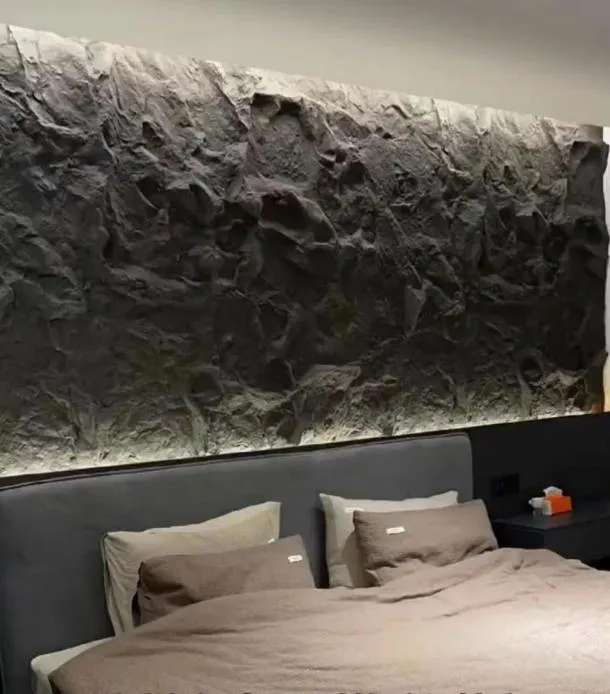
PU stone wall panels—short for polyurethane stone wall panels—are engineered to mimic the look and feel of natural stone, but with a lightweight, durable core that solves the pitfalls of traditional materials. Think of them as nature's beauty, reimagined for the demands of modern restaurants. Made from high-density polyurethane foam blended with mineral fillers, these panels are cast from molds of real stone, capturing every groove, grain, and imperfection that makes natural stone so appealing. The result? A panel that looks indistinguishable from the real thing, but weighs a fraction of the cost and hassle.
One of the key advantages of PU stone panels is their versatility. They come in a staggering range of styles: rough-hewn "fieldstone" for a countryside inn vibe, sleek "marble" for a upscale steakhouse, weathered "limestone" for a coastal café, or even industrial "concrete-look" for a trendy urban bistro. Whether your restaurant's theme is rustic, minimalist, or somewhere in between, there's a PU stone panel to match. And unlike natural stone, which is limited by quarry availability, these panels can be custom-colored to fit your brand's palette—deep grays for a moody speakeasy, soft beiges for a farm-to-table eatery, or bold terracottas for a Mediterranean-inspired spot.
But it's not just about looks. PU stone panels are built to perform in high-traffic environments. Their closed-cell polyurethane structure is naturally water-resistant, making them ideal for kitchens, bars, or outdoor patios (yes, many are UV-stabilized for outdoor use). They're also scratch-resistant—no need to panic when a server bumps a cart against the wall—and heat-resistant, standing up to the warmth of nearby ovens or outdoor grills. And unlike natural stone, they won't absorb odors, ensuring your restaurant smells like fresh bread and herbs, not last night's seafood special.
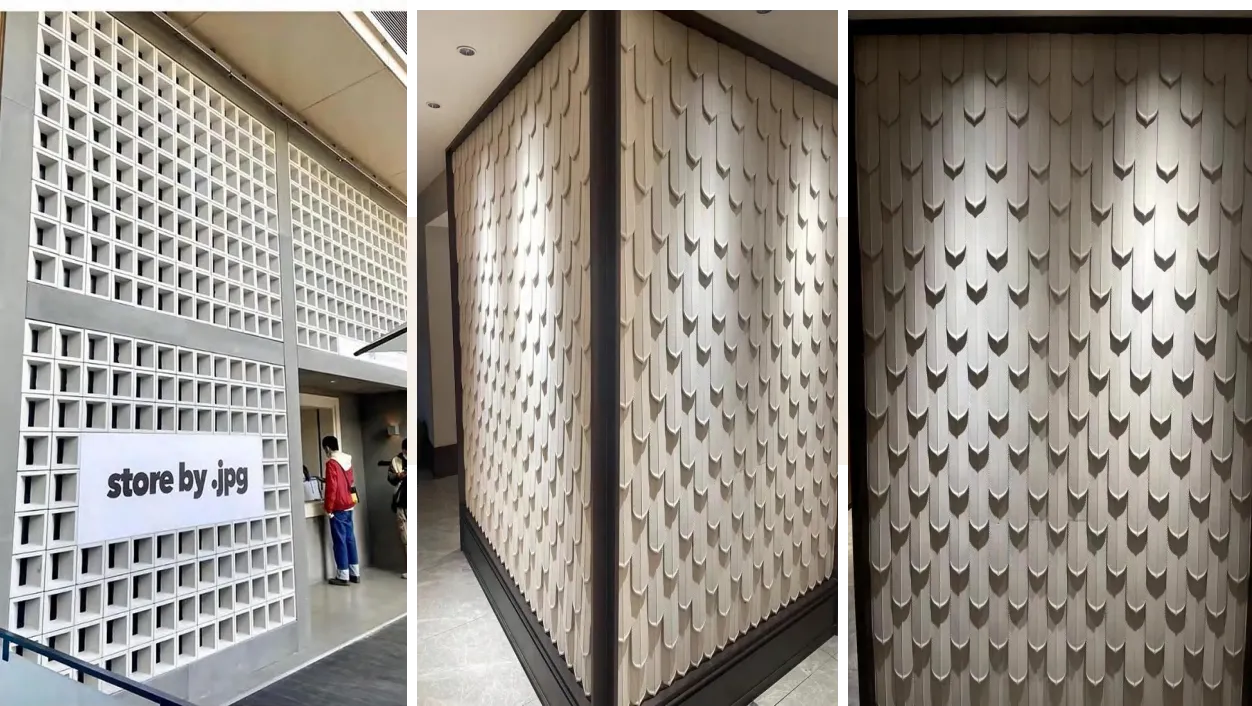
To truly understand why PU stone wall panels are gaining traction in the restaurant industry, let's break down their benefits—from cost savings to design freedom—with real-world examples.
Natural stone slabs can weigh 100+ pounds per square foot, requiring structural reinforcement and a team of installers. PU stone panels? Just 2–5 pounds per square foot. This means they can be mounted directly to drywall or wood framing with simple adhesives or screws—no need for expensive structural work. For a 2,000-square-foot restaurant renovation, this cuts installation time from weeks to days. Imagine closing for just a long weekend instead of a month; that's less lost revenue and happier customers who don't have to wait for your grand reopening.
A busy restaurant kitchen is a war zone: steam, splatters, constant foot traffic, and the occasional rogue knife or pot. PU stone panels laugh in the face of this chaos. Their dense polyurethane core resists moisture, so even near dishwashers or sinks, they won't warp or rot. Spills? Wipe them up with a damp cloth—no staining, no scrubbing. And unlike wood or vinyl, they won't scratch when a server drags a heavy cart past. One pizzeria owner in Chicago reported that after installing PU stone panels in their open kitchen, the walls still looked brand-new after two years of tomato sauce splatters and daily cleanings.
Restaurants are tightly regulated when it comes to fire safety, and for good reason. Many PU stone panels are rated Class A for fire resistance, meaning they slow the spread of flames and produce minimal smoke. This isn't just a box to check—it's peace of mind. In the event of a small kitchen fire, these panels buy precious time for staff to evacuate guests and contain the situation, all while meeting local building codes.
Whether you're going for a Parisian bistro with weathered limestone walls, a sleek sushi bar with polished marble accents, or a mountain lodge with rugged fieldstone, PU stone panels deliver. Suppliers offer hundreds of textures and colors, and many can even create custom molds if you have a specific stone in mind. For example, a vegan café in Portland used light gray PU stone panels with subtle veining to mimic soapstone, pairing them with greenery and warm wood tables for a fresh, earthy vibe. A steakhouse in New York opted for dark, rugged "slate-look" panels in their bar area, complemented by brass fixtures and dim lighting for a sophisticated, intimate feel.
Restaurant owners don't have time to baby their walls. PU stone panels require almost zero upkeep: no sealing, no refinishing, no special cleaners. A quick wipe with mild soap and water once a week keeps them looking fresh. Compare that to natural stone, which needs annual sealing to prevent staining, or wood, which requires sanding and repainting every 1–2 years. Over a decade, the savings in maintenance alone can add up to tens of thousands of dollars.
Natural stone can cost $20–$50 per square foot, not including installation. PU stone panels? Typically $8–$15 per square foot, with installation costs cut in half thanks to their lightweight design. For a restaurant with 1,000 square feet of wall space, that's a savings of $10,000–$30,000 upfront. And since they last longer and need less maintenance, the long-term ROI is even better. Smaller restaurants or startups, in particular, appreciate this—they can achieve a high-end look without draining their renovation budget.
Today's diners care about sustainability, and PU stone panels deliver here, too. Unlike natural stone, which requires mining and heavy transportation (contributing to carbon emissions), PU panels are made with recycled materials and produce minimal waste during manufacturing. Many suppliers also use low-VOC (volatile organic compound) adhesives, ensuring better indoor air quality for guests and staff. It's a small detail, but one that resonates with eco-conscious customers—another reason to choose PU stone wall panel solutions.
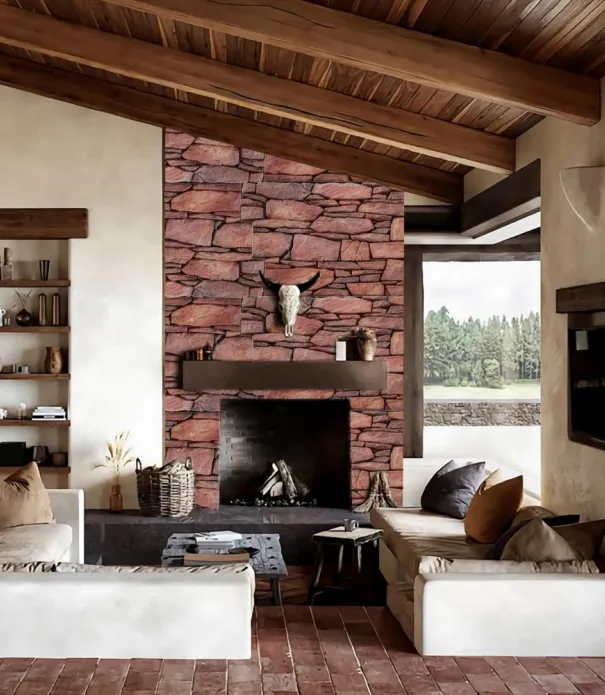
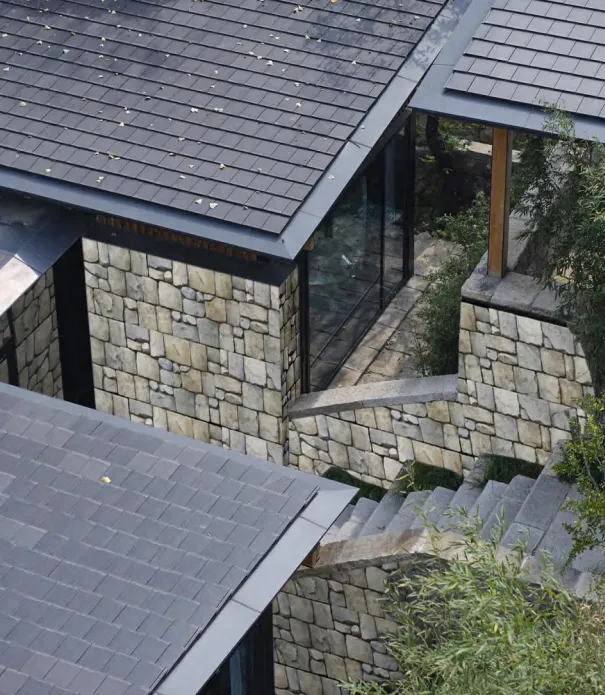
PU stone wall panels are more than just a building material—they're a design tool that can transform ordinary spaces into extraordinary experiences. Here's how to make the most of them in your restaurant:
Texture is key to creating depth in a restaurant. For a cozy, intimate vibe, opt for panels with rough, uneven surfaces—think "fieldstone" or "river rock" textures—in warm tones like beige, terracotta, or soft gray. These textures catch light and shadow, making the space feel inviting and layered. For a modern, minimalist look, go with smooth, polished "marble" or "granite" panels in neutral shades like white, black, or charcoal. Pair them with metallic accents (brass, chrome) and clean lines for a sleek, upscale feel.
Pro tip: Use color to guide customer flow. Darker panels in the bar area can create a more energetic, social space, while lighter panels in dining areas promote relaxation. A popular trend is to create an accent wall with bold, contrasting PU stone panels—say, a deep blue "slate" wall behind the host stand—to draw the eye and make a statement.
Even the most beautiful stone panels fall flat without the right lighting. To highlight the texture of PU stone walls, pair them with restaurant lighting solutions that play up their natural grooves and patterns. Soft, warm pendant lights hung at eye level cast gentle shadows, emphasizing the panel's depth. Under-cabinet LED strips or wall sconces with upward-facing bulbs can create a subtle glow along the edges, making the walls feel like they're "floating." For industrial-style restaurants, exposed bulb fixtures or track lights with adjustable heads let you direct light exactly where you want it—perfect for highlighting specific design elements, like a custom PU stone feature wall.
One restaurant in Seattle took this a step further, installing color-changing LED strips behind their PU stone panels. During lunch, the lights emit a bright, warm white, keeping the space lively; in the evening, they switch to soft amber, creating a romantic, intimate atmosphere. The result? A space that feels completely different at different times of day, keeping customers engaged.
PU stone panels play well with others. Pair them with wood accents for a rustic-modern look—think PU stone walls with reclaimed wood tables and chairs. Or combine them with metal (steel, copper) for an industrial edge. In one Italian restaurant, designers used light gray PU stone panels on the main walls, then added a backsplash of glossy subway tiles behind the pizza oven. The contrast between the rough stone and smooth tiles created visual interest without overwhelming the space.
Don't forget about flooring. PU stone panels complement hardwood, concrete, or tile floors seamlessly. For example, a coastal-themed restaurant might pair light "limestone-look" panels with whitewashed wood floors and blue accents, evoking a breezy beach house vibe. The key is to balance textures—if your walls are highly textured, keep floors and furniture more streamlined, and vice versa.
Not all PU stone wall panels are created equal. To ensure you get a product that lives up to its promises—durability, aesthetics, and performance—you need to work with a trusted pu stone wall panel supplier. These suppliers don't just sell panels; they offer pu stone wall panel solutions that include everything from design support to post-installation care. Here's what to look for:
Restaurants have unique needs—high traffic, strict safety codes, and the pressure to create a memorable brand. Look for a supplier who has worked with restaurants before, ideally in your niche (casual dining, fine dining, fast-casual). They'll understand the challenges you face and can recommend panels that fit your budget, timeline, and design goals. Ask for case studies or references—photos of past projects can give you a sense of their work quality.
Cheap PU panels often use low-density foam or inferior molds, resulting in a "plasticky" look or poor durability. A reputable supplier will use high-density polyurethane with mineral fillers, ensuring the panels are rigid, impact-resistant, and fade-resistant. They should also provide test reports for fire resistance, moisture resistance, and UV stability—proof that their panels meet industry standards.
Your restaurant is one-of-a-kind, and your walls should be too. Look for a supplier that offers custom colors, textures, or sizes. Some even create custom molds from real stone samples, so you can replicate a specific look (like the stone from a historic building or a unique imported variety). A good supplier will send material samples so you can see and touch the panels before committing—this is crucial for ensuring the color and texture match your vision.
Installing PU stone panels is easier than natural stone, but you still want a supplier who offers guidance. Look for companies that provide installation guides, video tutorials, or even on-site support if needed. Post-installation, they should be responsive to questions or issues—for example, if a panel gets damaged during a renovation, they should offer replacement parts quickly to minimize downtime.
At the end of the day, a reliable pu stone wall panel supplier is a partner in your restaurant's success. They'll help you navigate the options, avoid common pitfalls, and ensure your walls look stunning for years to come.
Still on the fence? Let's look at how PU stone wall panels have made a difference for real restaurant owners:
A family-owned bistro in Boston wanted to update their space from a plain, painted interior to a cozy, rustic spot that felt like a countryside inn. They initially considered natural stone but were deterred by the 3-week installation timeline (which would mean closing during peak season) and $40,000 budget. Instead, they worked with a pu stone wall panel supplier to install "fieldstone-look" panels in warm beige. The panels were installed in just 3 days, costing $12,000 total. "We reopened almost immediately, and customers couldn't believe the transformation," said the owner. "The walls look just like real stone, and we've had zero issues with stains or damage—even with kids spilling juice and servers rushing around."
A high-end sushi bar in Los Angeles wanted to create a sleek, minimalist space with a "zen" vibe. They chose smooth, white "marble-look" PU stone panels for their main walls, paired with dark wood accents and restaurant lighting solutions that included soft pendant lights and under-counter LEDs. The panels' clean lines and subtle veining mimicked real marble, but at a fraction of the cost. "Our customers often comment on how 'luxurious' the space feels," said the designer. "The panels reflect light beautifully, making the restaurant feel bright and airy during the day, and intimate at night. Plus, they're incredibly easy to clean—essential in a sushi bar where hygiene is everything."
A fast-casual sandwich chain with 10 locations wanted to refresh their brand with a consistent, industrial-chic look. They needed a wall solution that was durable enough for high traffic, easy to install across different locations, and affordable. After testing samples, they chose dark gray "slate-look" PU stone panels from a pu stone wall panel supplier. The supplier provided bulk pricing and standardized installation guides, making it easy to roll out the design across all restaurants. "We saved over $50,000 compared to using real slate," said the chain's operations manager. "And because the panels are lightweight, we could install them during off-hours, so none of our locations had to close. Now, every store feels cohesive, which has."
Restaurants are more than places to eat—they're places to connect, celebrate, and create memories. The walls that surround your guests play a huge role in shaping those experiences, and they deserve to be both beautiful and built to last. PU stone wall panels offer the perfect solution: the timeless look of natural stone, with the durability, affordability, and versatility that modern restaurants need. Whether you're renovating an existing space or building a new one, working with a trusted pu stone wall panel supplier and leveraging pu stone wall panel solutions can help you create an ambiance that wows customers, stands up to daily chaos, and keeps your budget in check.
At the end of the day, investing in quality walls isn't just about aesthetics—it's about investing in your restaurant's success. With PU stone panels, you're not just building walls; you're building a space that feels like home, keeps customers coming back, and grows with your business for years to come.
Recommend Products











