

Step into a modern office today, and you'll likely notice the walls first—they set the tone, shape the atmosphere, and even influence how we work. Gone are the days of plain white drywall or drab paint; today's commercial spaces demand materials that blend aesthetics, functionality, and durability. Among the rising stars in interior decoration materials is the PU stone wall panel, a versatile solution that's redefining office design. As a commercial building materials supplier specializing in innovative solutions, we're breaking down why PU stone wall panels are becoming a go-to choice for architects, designers, and facility managers—and how the right supplier can turn your vision into reality.
PU stone wall panels, short for polyurethane stone wall panels, are engineered to mimic the look and texture of natural stone—think granite, marble, or slate—without the drawbacks of heavy, costly, or high-maintenance materials. At their core, these panels are made from a polyurethane foam base, reinforced with fiberglass or other materials for strength, and coated with a high-definition print layer that replicates natural stone patterns. The result? A lightweight, flexible, and durable alternative that captures the timeless beauty of stone while offering modern convenience.
Unlike natural stone, which can weigh 20–30 kg per square meter, PU stone panels tip the scales at just 3–5 kg/m². This lightweight nature makes them ideal for both interior and exterior use, including architectural façade solutions where structural load is a concern. They're also resistant to moisture, scratches, and UV rays, ensuring they retain their appearance even in high-traffic areas like office lobbies, meeting rooms, or break spaces.
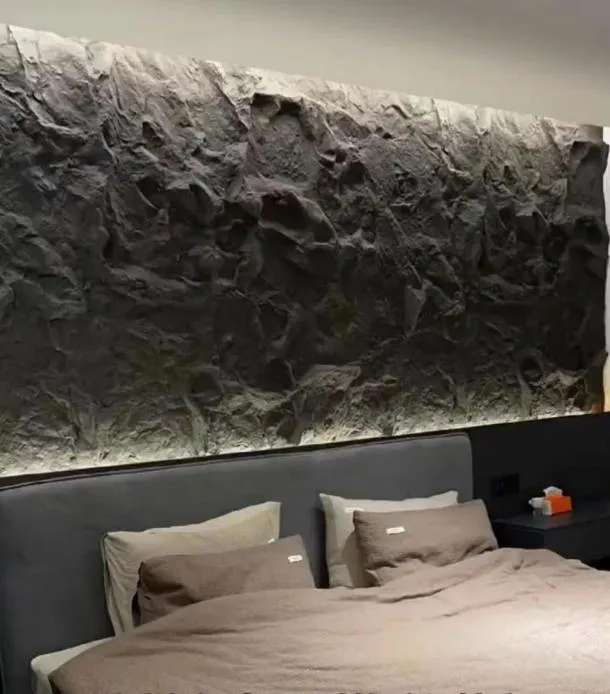
Modern offices aren't just workspaces—they're brand ambassadors, employee engagement tools, and hubs of creativity. PU stone wall panels align with these goals in ways few materials can. Let's break down their key benefits:
1. Aesthetics That Impress : Whether you're aiming for a rustic, industrial vibe or a sleek, minimalist look, PU stone panels deliver. Suppliers offer a range of finishes—from rough-hewn "castle rock" textures to smooth, polished "cloud stone" patterns—allowing designers to match brand identities or interior themes. Imagine a tech startup's office with a feature wall of slate-gray PU panels, or a law firm opting for cream-colored "marble" panels to convey professionalism. The versatility here is unmatched.
2. Lightweight and Easy to Install : Traditional stone installation requires heavy machinery, structural reinforcements, and skilled masons—all of which drive up costs and project timelines. PU stone panels, by contrast, can be cut with standard tools, glued directly to drywall or concrete, and secured with screws. A typical installation team can cover 50–100 m² in a day, reducing downtime for businesses renovating their spaces. For commercial projects with tight deadlines, this speed is a game-changer.
3. Durability for High-Traffic Zones : Offices see a lot of action—chairs scraping against walls, coffee spills, daily foot traffic. PU stone panels stand up to this wear and tear thanks to their polyurethane core, which resists dents and scratches. They're also moisture-resistant, making them suitable for areas like kitchenettes or basements where humidity might be a concern. Unlike natural stone, they won't crack due to temperature fluctuations, ensuring long-term performance.
4. Cost-Effective Without Compromise : Natural stone can cost $50–$150 per square meter, not including installation. PU stone panels, on the other hand, range from $20–$60 per square meter, with installation costs cut by half or more. For businesses working within a budget, this means achieving a high-end look without overspending—freeing up funds for other upgrades like ergonomic furniture or smart tech.
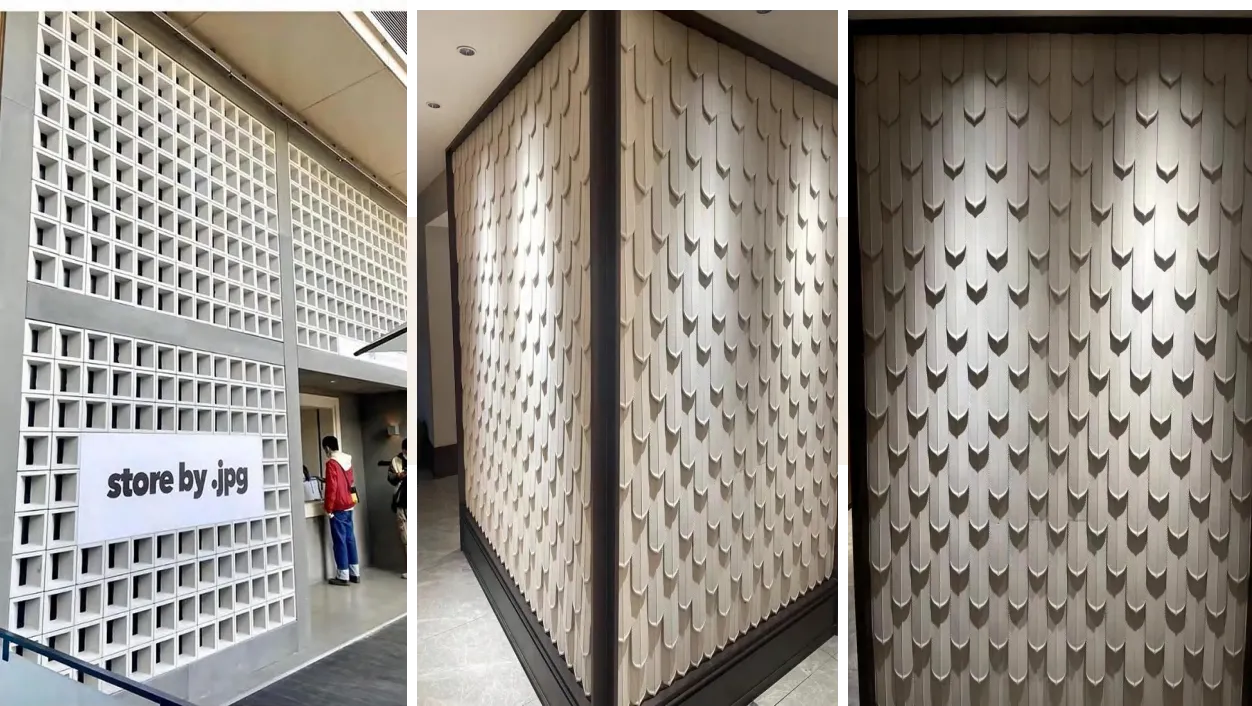
One of the most exciting aspects of PU stone wall panels is their flexibility—literally. Unlike rigid materials like ceramic tiles or cement board, PU panels can be bent or curved to create unique architectural features. Want a circular reception desk wrapped in stone-like panels? Or a wavy accent wall in the breakout area? A skilled supplier can custom-cut panels to fit these shapes, turning design concepts into reality.
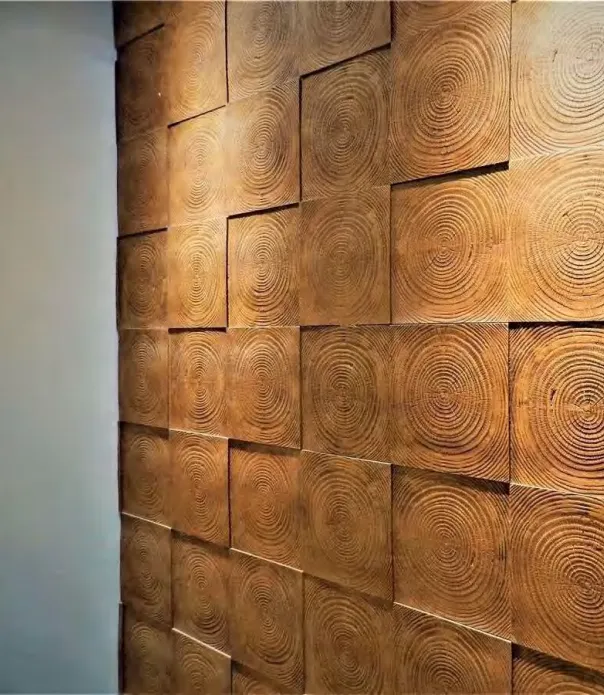
They also pair seamlessly with other materials. For example, combining PU stone panels with wood grain series elements or glass partitions can create dynamic, layered spaces. In open-plan offices, they can define zones—say, a stone-textured wall separating the quiet work area from the collaborative zone—without blocking light or airflow. The possibilities are limited only by imagination (though we'll avoid that word here!).
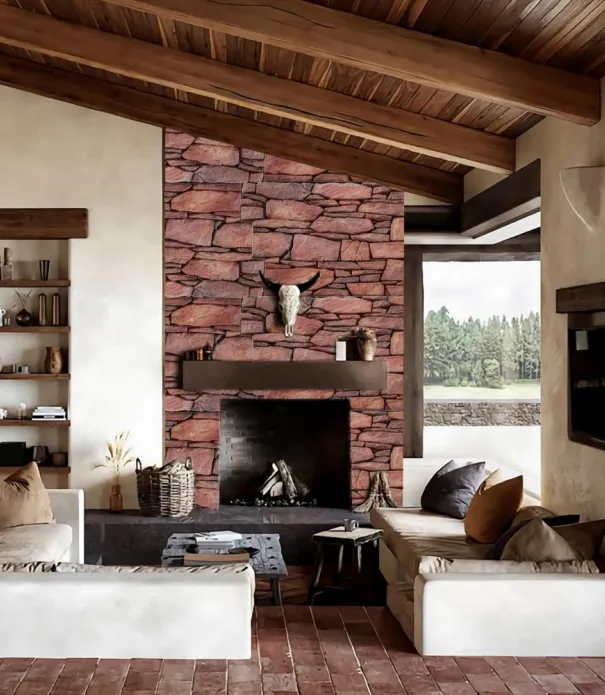
Choosing the right pu stone wall panel supplier is as critical as selecting the panels themselves. A reputable supplier doesn't just deliver products—they deliver solutions, support, and peace of mind. Here's what to look for:
Customization Options : Every office is unique, and your wall panels should reflect that. Top suppliers offer custom colors, textures, and sizes to match your design specs. Need a panel that mimics a rare Swiss stone? Or a specific shade of gray to align with your brand palette? A supplier with in-house design and production capabilities can make it happen.
Technical Expertise : Installing PU stone panels is simpler than natural stone, but it still requires know-how. The best suppliers provide detailed installation guides, video tutorials, and even on-site support to ensure a smooth process. They'll also advise on surface preparation—like ensuring walls are clean and level—or compatibility with other materials, such as adhesives or sealants.
Bulk Ordering and Timely Delivery : Commercial projects often require large quantities of materials, and delays can derail timelines. A reliable supplier will have a robust inventory and the ability to scale production to meet bulk orders, with clear delivery schedules and tracking. For international projects, look for suppliers with experience in logistics, including customs clearance and shipping to regions like Saudi Arabia, where demand for high-quality commercial building materials is booming.
After-Sales Support : Even the best materials need occasional care. A supplier committed to long-term partnerships will offer warranties (typically 5–10 years for PU panels), replacement parts for damaged panels, and guidance on maintenance—like how to clean panels (hint: a damp cloth and mild soap are usually enough) or repair minor scratches.
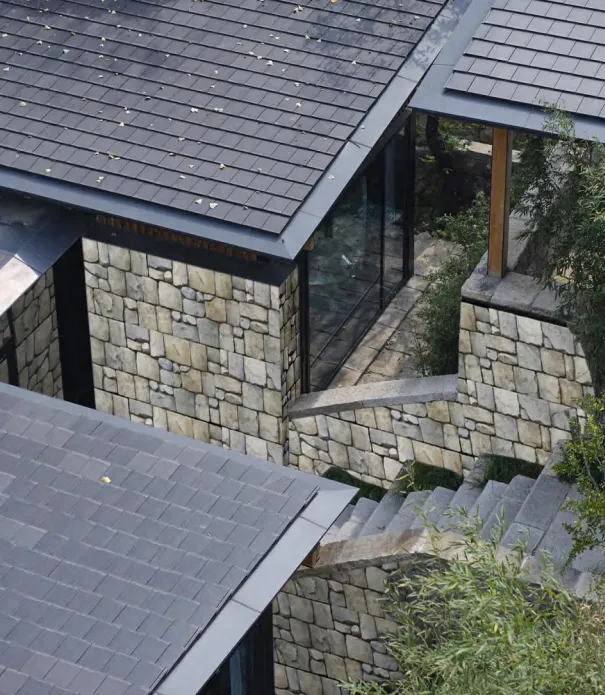
To truly appreciate PU stone wall panels, it helps to see how they stack up against other popular interior decoration materials. Below is a comparison with three common alternatives:
| Material | Weight (kg/m²) | Installation Time | Cost (per m², approx.) | Best For | Fire Resistance |
|---|---|---|---|---|---|
| PU Stone Wall Panels | 3–5 | 1–2 days/100 m² | $20–$60 | High-traffic offices, feature walls, exteriors | Class B (some suppliers offer Class A options) |
| Natural Stone (Granite/Marble) | 20–30 | 5–7 days/100 m² | $80–$200 | Luxury lobbies, high-end finishes | Class A (natural fire resistance) |
| MCM Flexible Cladding | 4–6 | 2–3 days/100 m² | $35–$80 | Exteriors, curved surfaces | Class A |
| WPC Wall Panels | 6–8 | 2–3 days/100 m² | $25–$50 | Moisture-prone areas (e.g., break rooms) | Class C (varies by brand) |
As the table shows, PU stone panels strike a balance between cost, installation speed, and aesthetics—making them a strong choice for most modern offices. They outperform WPC in weight and fire resistance, undercut natural stone in cost and installation time, and offer similar flexibility to MCM cladding at a lower price point.

To illustrate the impact of PU stone wall panels, let's look at a recent project: a 5,000 m² tech company headquarters in Riyadh, Saudi Arabia. The client wanted a blend of modernity and warmth, with walls that would make a statement in the lobby and support productivity in workspaces. Our role as the pu stone wall panel supplier was to deliver a solution that met their budget, timeline, and design goals.
The lobby featured a 20-meter-long feature wall with a custom "desert sandstone" finish, designed to reflect the region's natural landscape. Using PU panels allowed the design team to create a curved section at the entrance, something that would have been prohibitively expensive with natural stone. For the open office areas, we supplied lighter "limestone" panels in neutral tones, paired with wood grain accents to soften the space. Installation took just 10 days for the entire project, and the client reported a 30% cost savings compared to their initial plan of using natural marble.
Six months later, the panels still look brand-new, with no signs of wear despite daily use. The facility manager noted that cleaning is a breeze—"We just wipe them down with a damp cloth during nightly cleaning, and they shine like the first day."
Today's businesses don't just care about how materials look—they care about their environmental impact. PU stone wall panels score points here, too. Many suppliers use recycled materials in their polyurethane cores, and the lightweight design reduces transportation emissions (since more panels can fit on a truck). They're also energy-efficient: polyurethane has natural insulating properties, helping offices maintain consistent temperatures and reduce heating/cooling costs. For LEED-certified projects, PU panels can contribute to credits for sustainable materials and energy efficiency.
In the world of commercial interior design, walls are no longer afterthoughts—they're opportunities to inspire, engage, and differentiate. PU stone wall panels offer the perfect blend of beauty, functionality, and affordability, making them a standout choice for modern offices. And with the right pu stone wall panel supplier by your side—one that offers customization, technical support, and reliable delivery—you can transform your vision into a space that employees love, clients admire, and your brand is proud to call home.
Whether you're designing a startup's creative hub, a law firm's professional suite, or a multinational corporation's regional headquarters, PU stone panels prove that great design doesn't have to come with a heavy price tag or logistical headaches. It's time to reimagine your office walls—and the right supplier is ready to help you do it.
Recommend Products











