

In an era where every decision carries an environmental weight, the construction industry stands at a crossroads. We build to shelter, inspire, and connect—but for too long, this progress has come at the cost of our planet. Today, though, a shift is underway. Green construction isn't just a trend; it's a promise to future generations that growth and sustainability can coexist. At the heart of this movement lies the search for materials that don't just serve a purpose, but do so responsibly. Enter PU stone wall panels: a innovation that's redefining what it means to build beautifully without leaving a heavy carbon footprint. For architects, contractors, and homeowners navigating this new landscape, understanding the value of these panels—and partnering with a trusted pu stone wall panel supplier—could be the key to turning green goals into tangible, stunning spaces.
Let's start with the numbers, because they tell a story we can't ignore. The construction sector is responsible for approximately 39% of global carbon emissions, with building materials and their production accounting for a significant chunk of that figure. From quarrying stone to firing bricks, traditional building practices have long relied on energy-intensive processes that pump CO2 into the atmosphere. Meanwhile, urbanization shows no signs of slowing: by 2050, 68% of the world's population will live in cities, driving demand for new homes, offices, and infrastructure.
This is where green construction steps in—not as a niche concept, but as a necessary evolution. Governments and organizations worldwide are tightening regulations: the EU's Carbon Border Adjustment Mechanism (CBAM) now taxes high-carbon imports, while LEED and BREEAM certifications have become benchmarks for responsible building. Clients, too, are demanding change. Homeowners want spaces that reflect their values; businesses seek to align their brand with sustainability; and architects are eager to design structures that leave a legacy, not a liability.
At the core of this shift is the pursuit of low carbon materials. Carbon footprint isn't just a buzzword here—it's a measurable impact, from the moment raw materials are extracted to the day a building is demolished. A material with a low carbon footprint requires less energy to produce, generates minimal waste, and often reduces long-term energy use in the building itself. For anyone involved in construction, choosing such materials isn't just about compliance; it's about contributing to a larger mission: to build in a way that respects the planet's limits.
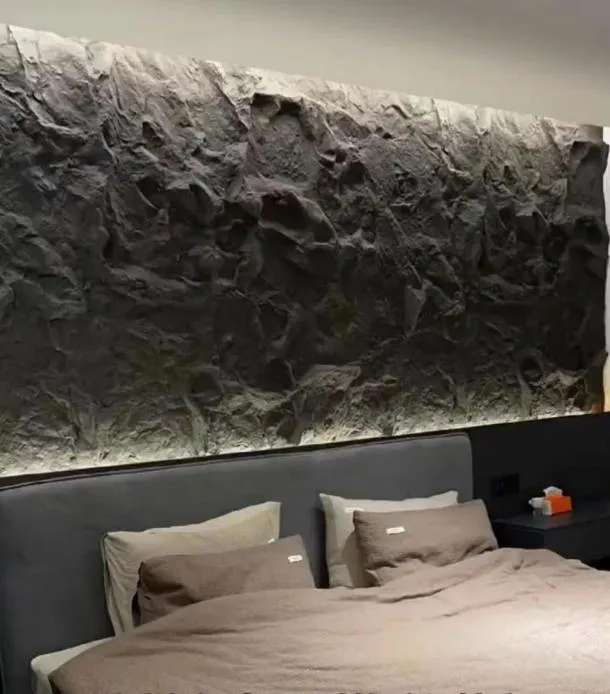
If you're new to the term, PU stone wall panels might sound like just another entry in the long list of construction materials. But take a closer look, and you'll realize they're something entirely different. PU, short for polyurethane, is a versatile polymer known for its durability and flexibility. When combined with natural stone aggregates, mineral fillers, and eco-friendly additives, it creates a panel that's both lightweight and remarkably lifelike. Imagine the texture of rough-hewn granite, the warmth of travertine, or the elegance of marble—all captured in a panel that weighs a fraction of the real thing and installs in a fraction of the time.
What sets these panels apart is their composition. Unlike solid stone, which is mined, cut, and transported in heavy slabs, PU stone panels are crafted in controlled factory settings. The polyurethane base acts as a binder, holding together stone particles to mimic the look of natural rock without the environmental toll of quarrying. The result? A product that's not just a "fake" stone, but a smarter alternative. It's flexible enough to curve around architectural details, light enough to reduce structural load, and durable enough to withstand the elements—all while carrying a carbon footprint that makes traditional stone look like a relic of a less conscious era.
But don't just take our word for it. Walk through a modern commercial complex or a newly built home, and there's a good chance you've already seen PU stone panels in action. They're the accent wall in a trendy café, the exterior cladding of a LEED-certified office building, or the fireplace surround in a sustainable home. And behind each of these applications is a pu stone wall panel supplier that's not just selling a product, but a solution: one that balances aesthetics, performance, and planet.
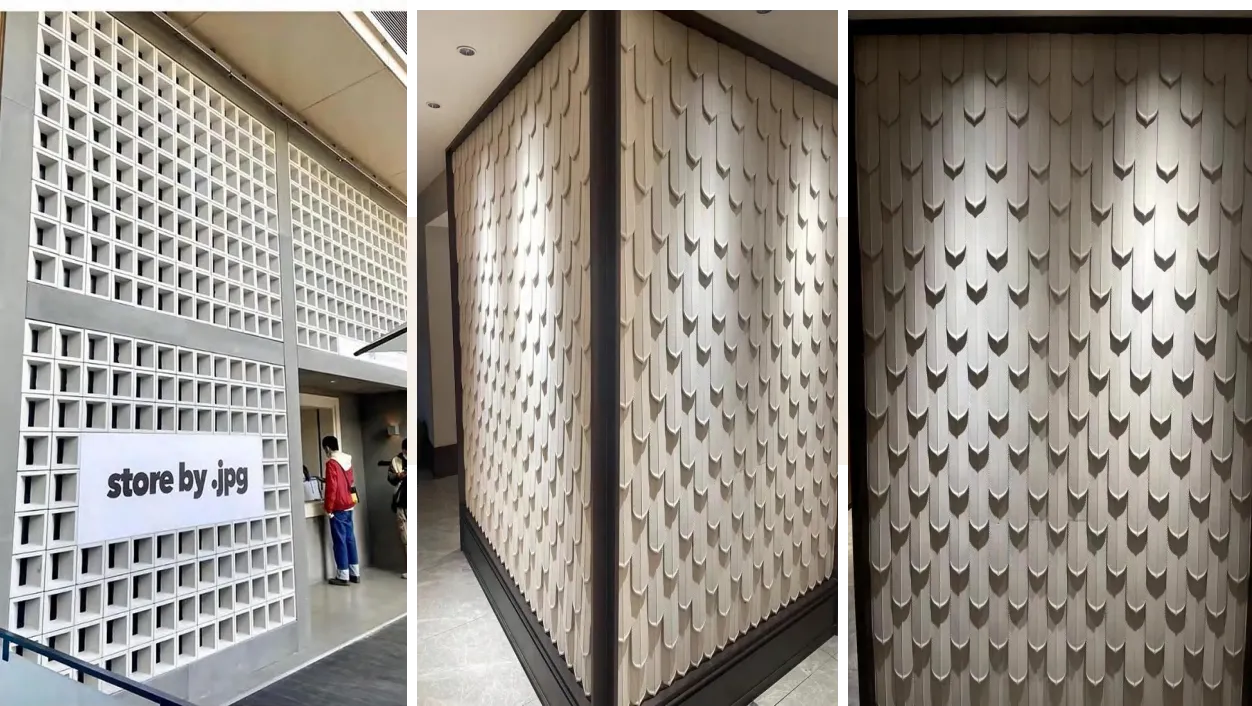
Let's talk about the metric that matters most: carbon footprint. For any material claiming to be "green," this is the litmus test. So, how do PU stone wall panels fare? The answer lies in every step of their lifecycle—from production to installation to long-term use.
Start with manufacturing. Traditional stone extraction is a carbon-intensive process: heavy machinery burns fossil fuels to quarry blocks, which are then transported (often across long distances) to factories where they're cut, polished, and shaped—each step adding more emissions. PU stone panels, by contrast, are produced in centralized facilities using a process that requires far less energy. The polyurethane binder is derived from petrochemicals, yes, but advancements in formulation mean that modern panels use recycled content and low-VOC (volatile organic compound) additives, reducing their environmental impact. What's more, the controlled production process generates minimal waste—unlike stone cutting, which often discards 30% or more of the original block as scrap.
Transportation is another area where PU stone panels shine. A standard natural stone slab weighs upwards of 150 kg per square meter; a PU panel of the same size? Just 8–12 kg. That means fewer trucks on the road, less fuel burned, and lower emissions during delivery. For a large-scale project, this difference adds up quickly. A 10,000-square-meter cladding job using natural stone might require hundreds of truckloads; with PU panels, that number drops by 70% or more. It's a small detail, but in the fight against climate change, small details multiply into meaningful impact.
Then there's installation. Traditional stone requires heavy equipment, skilled masons, and days (or weeks) of labor—all of which contribute to on-site emissions. PU panels, though, are designed for simplicity. They're lightweight enough to be carried by two people, cut with standard tools, and installed with adhesives or mechanical fasteners. A crew that might take a day to install 50 square meters of natural stone can install 200 square meters of PU panels in the same time. Less labor means less energy used on-site, and faster project completion means lower overall carbon emissions from construction delays. It's a win-win for both the environment and the bottom line.
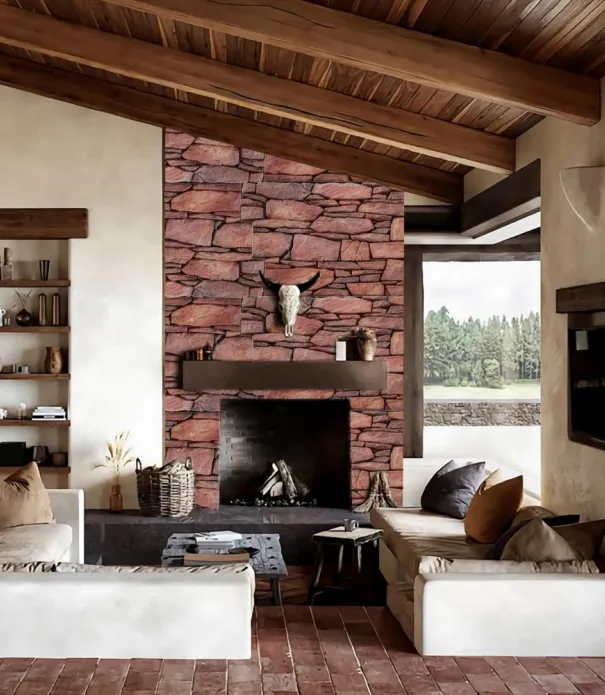
While low carbon footprint is the star of the show, PU stone wall panels bring a host of other benefits that make them a standout choice for green construction. Let's start with durability. In the past, "sustainable" materials were sometimes dismissed as flimsy or short-lived—think of cheap vinyl siding that fades after a few years or fiberboard that warps in humidity. PU stone panels, though, are built to last. The polyurethane base is resistant to moisture, mold, and UV rays, meaning they won't crack, peel, or discolor over time. In fact, most manufacturers offer warranties of 15–20 years, and in real-world conditions, these panels often outlast traditional materials like painted wood or even brick.
Fire safety is another critical advantage. In commercial spaces, hospitals, and schools, fire resistance isn't just a preference—it's a legal requirement. While natural stone is inherently fireproof, its weight and cost make it impractical for many applications. PU stone panels, however, can be formulated to meet Class A fire ratings, making them suitable for high-risk areas. This isn't just a safety feature; it's a sustainability one, too. A material that resists fire reduces the need for frequent replacements after accidents, further lowering its lifecycle carbon footprint.
Then there's energy efficiency. Buildings lose a significant amount of heat (or cool air) through their walls, driving up energy bills and carbon emissions from heating and cooling systems. PU stone panels, with their polyurethane core, act as a natural insulator. They reduce thermal transfer, keeping interiors warmer in winter and cooler in summer. For a homeowner, this could mean lower utility bills; for a commercial developer, it could mean meeting strict energy efficiency standards like LEED or WELL. It's a quiet benefit, but one that compounds over the lifetime of a building—turning a single material choice into a long-term investment in sustainability.
And let's not forget aesthetics. At the end of the day, buildings are meant to be enjoyed. A sustainable material that looks cheap or out of place will never gain traction, no matter how green it is. PU stone panels excel here, offering a range of finishes that cater to every design vision. Want a rustic, countryside vibe? Opt for a panel with a rough, mossy texture. Going for sleek modernism? Choose a smooth, polished finish in neutral tones. A good pu stone wall panel supplier will even offer custom colors and patterns, ensuring that your project doesn't just meet sustainability goals, but exceeds design expectations. After all, what's the point of building green if the result feels like a compromise?
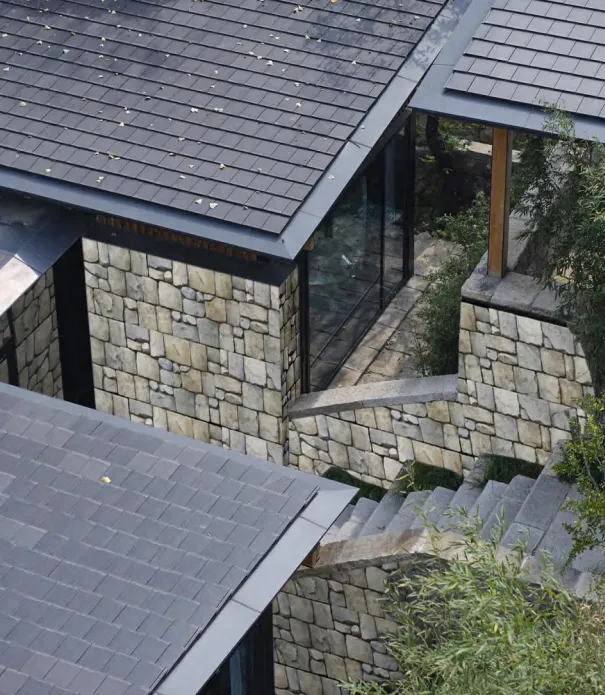
To truly understand the impact of PU stone wall panels, it helps to see them side by side with the materials they're replacing. Below is a comparison of PU stone panels with four common building materials, focusing on carbon footprint and key performance metrics. The data comes from industry studies and lifecycle assessments, offering a clear picture of how these choices stack up environmentally and practically.
| Material | Carbon Footprint (kg CO₂/sqm)* | Weight (kg/sqm) | Installation Time (hours/sqm) | Est. Lifespan (years) | Fire Resistance |
|---|---|---|---|---|---|
| PU Stone Wall Panels | 8–12 | 8–12 | 0.5–1 | 25–30 | Class A (when treated) |
| Natural Granite | 45–60 | 150–200 | 3–4 | 50+ | Class A |
| Clay Brick | 20–25 | 45–50 | 2–3 | 100+ | Class A |
| Vinyl Siding | 15–18 | 2–3 | 0.5–1 | 15–20 | Class C (flammable) |
*Carbon footprint includes production, transportation, and installation emissions. Data sourced from industry lifecycle assessments (2023).
The table tells a clear story: PU stone panels have a carbon footprint up to 80% lower than natural granite and nearly 50% lower than clay brick. While vinyl siding has a similar carbon footprint, it falls short in lifespan and fire resistance, making it a less reliable long-term choice. For builders prioritizing both sustainability and performance, PU stone panels emerge as the clear leader—a material that doesn't force you to choose between the planet and practicality.
Case Study 1: Urban Office Complex, Riyadh
In 2022, a leading developer in Riyadh set out to build a 10-story office complex with a bold goal: LEED Platinum certification. The challenge? Meeting strict carbon emissions targets while creating an exterior that stood out in the city's skyline. The solution? PU stone wall panels from a local pu stone wall panel supplier. By choosing PU panels over natural limestone, the project reduced transportation emissions by 65% (thanks to lighter materials) and cut on-site installation time by 40%. The result? A striking, modern building that emits 35% less carbon than comparable structures—and a developer that now specifies PU panels for all its new projects.
Case Study 2: Residential Development, Dubai
A Dubai-based homebuilder wanted to attract eco-conscious buyers with a development of 50 townhomes. Key priorities included energy efficiency, low maintenance, and curb appeal. After consulting with a pu stone wall panel supplier, the builder opted for PU stone panels in a warm, earthy tone for exterior cladding. The lightweight panels reduced the need for reinforced foundations, saving on concrete (a high-carbon material), and the insulating properties cut heating and cooling costs for homeowners by an estimated 25%. Within six months of completion, all units were sold—proof that sustainability and marketability can go hand in hand.
Not all PU stone wall panels are created equal—and neither are all suppliers. To ensure your project reaps the full benefits of these panels, it's crucial to partner with a provider that prioritizes quality, sustainability, and support. Here are a few key factors to consider:
A reputable supplier will have third-party certifications verifying their panels' carbon footprint, fire resistance, and durability. Look for labels like ISO 14001 (environmental management), GREENGUARD (low chemical emissions), or local green building standards. Don't be afraid to ask for test reports—transparency is a sign of confidence in the product.
Every project has unique needs. A good pu stone wall panel supplier will offer more than a one-size-fits-all product. Whether you need custom colors, textures, or sizes, they should work with you to create panels that align with your design vision. This flexibility ensures that sustainability doesn't mean sacrificing style.
Installing PU stone panels is simpler than traditional stone, but it still requires know-how. Look for suppliers that provide installation guides, on-site training, or even partnerships with certified installers. A supplier that stands behind its product with technical support is more likely to deliver a smooth, successful project.
Finally, assess the supplier's own commitment to sustainability. Do they use recycled materials in their panels? Do they have energy-efficient manufacturing facilities? A supplier that walks the walk on green practices is more likely to deliver a product that truly lives up to its low carbon claims.
As we look ahead, the role of PU stone wall panels in green construction is only set to grow. Advancements in technology are making these panels even more sustainable: new formulations use plant-based polyurethane binders, reducing reliance on fossil fuels, while improved recycling processes are turning old panels into new ones, closing the loop on waste. Meanwhile, as more countries adopt carbon pricing and green building mandates, the demand for low-carbon materials will surge—and PU stone panels are poised to meet that demand.
But the future isn't just about the panels themselves; it's about the shift in mindset they represent. For too long, construction has been a linear process: extract, build, discard. PU stone panels embody a circular approach—one where materials are designed for durability, efficiency, and minimal impact. They're a reminder that sustainability doesn't have to be a sacrifice, but a source of innovation. As architects and builders embrace this mindset, we'll see more projects that don't just check boxes on a green checklist, but reimagine what's possible when we build with the planet in mind.
For homeowners, this means more choices that align with their values. For developers, it means access to materials that reduce risk and boost market appeal. And for the planet? It means one less industry contributing to climate change, and one more step toward a built environment that nurtures, rather than depletes, our world.
At the end of the day, the choice to use PU stone wall panels is about more than just building materials. It's about choosing to be part of a solution—a movement that recognizes that every brick, every panel, every beam carries the potential to heal or harm. With their low carbon footprint, stunning versatility, and practical benefits, PU stone panels are more than a trend; they're a tool for change. And as more of us pick up that tool—working with trusted pu stone wall panel suppliers to bring our visions to life—we'll build a future where our structures stand as testaments not just to human ingenuity, but to our commitment to the planet we call home.
Recommend Products











