

Walk into a home in Jeddah after a week of heavy rains, and you might notice something subtle but troubling: a faint musty smell near the living room walls, or a small patch of discoloration creeping up the bathroom tiles. In Riyadh, where summer humidity spikes alongside temperatures, office buildings often grapple with peeling paint on exterior facades, while hospitals in Dammam worry about mold growth in patient rooms—all silent signs that moisture, when left unchecked, can turn a beautiful space into a costly problem. For builders, homeowners, and architects across Saudi Arabia, the quest for building materials that can stand up to humidity isn't just about aesthetics; it's about protecting health, preserving structural integrity, and avoiding the endless cycle of repairs. Enter PU stone wall panels: a modern solution that marries the timeless beauty of natural stone with engineering designed to laugh in the face of moisture. Let's dive into how these panels are changing the game for interior and exterior decoration materials in humid climates.
If you're picturing heavy, rigid slabs of stone that require cranes to install, think again. PU stone wall panels are a masterclass in smart engineering—lightweight, flexible, and crafted to mimic the texture and appearance of natural stone without the drawbacks. At their core, these panels blend two key ingredients: high-density polyurethane foam (PU) and natural stone aggregates. The polyurethane acts as a durable, water-resistant base, while the stone particles (think granite, marble, or limestone dust) give the panels their authentic, earthy look. The result? A product that feels like stone to the touch but weighs a fraction of the real thing—often as little as 8-12 kg per square meter, compared to 50+ kg for natural granite slabs.
Manufacturers start by mixing the polyurethane resin with stone aggregates, pigments, and additives to enhance flexibility and fire resistance. This mixture is then poured into molds that replicate the texture of natural stone—from rough-hewn masonry to smooth, polished marble. Once cured, the panels are trimmed to size, coated with a protective finish, and ready for installation. The magic, though, lies in their structure: polyurethane's closed-cell foam design creates a barrier that water struggles to penetrate, making them far more resistant to moisture than porous natural stone or even wood-based panels.
But they're not just about function. Today's PU stone wall panel supplier offers an array of styles, from the warm, rustic charm of stacked stone to the sleek, modern look of large-format porcelain-like slabs. Whether you're designing a coastal villa's exterior or a boutique hotel's lobby, there's a panel to match—proving that practicality doesn't have to mean sacrificing beauty.
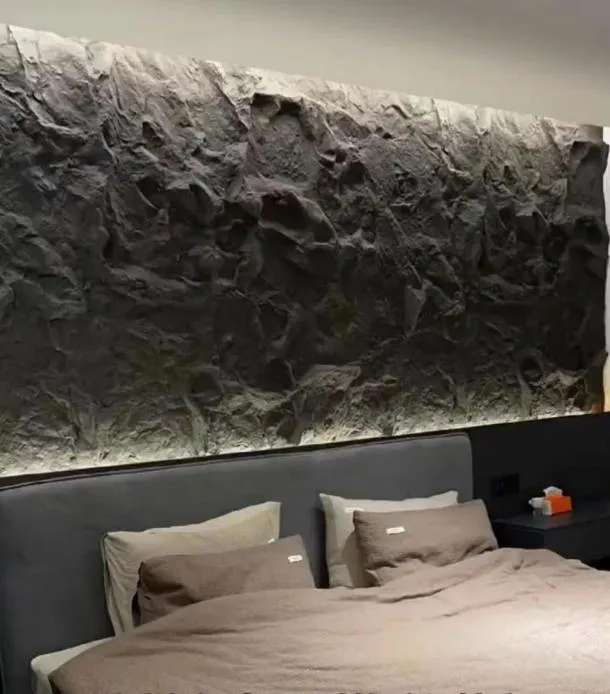
Humidity isn't just an annoyance—it's a silent saboteur of buildings. In places like Saudi Arabia's coastal cities, where humidity levels can hit 85% during summer, or in indoor spaces like bathrooms and kitchens where steam lingers, moisture seeps into every crack and crevice. For traditional building materials, this is a death sentence. Natural stone, for example, is porous by nature; water soaks in, leading to staining, efflorescence (those white, powdery deposits), and even structural weakening over time. Wood panels warp and rot, while vinyl siding can trap moisture behind it, creating a breeding ground for mold and mildew.
The consequences aren't just cosmetic. Mold spores from damp walls trigger allergies and respiratory issues, making spaces unhealthy for occupants. In commercial buildings like hospitals or schools, where hygiene is critical, this risk is even higher. For homeowners, it means endless repainting, patching, and replacing damaged materials—costs that add up fast. "I once worked on a project in Yanbu where a client insisted on natural limestone cladding for their beach house," recalls a local architect. "Within two years, the panels had absorbed so much saltwater that they started crumbling. We had to rip everything out and start over. The budget doubled, and the client was devastated."
Water resistance, then, isn't a "nice-to-have" feature for wall panels in humid climates—it's the foundation of durability. PU stone wall panels address this head-on, acting as a first line of defense against moisture. By blocking water from seeping in, they prevent the domino effect of damage, keeping buildings looking newer longer and occupants healthier.
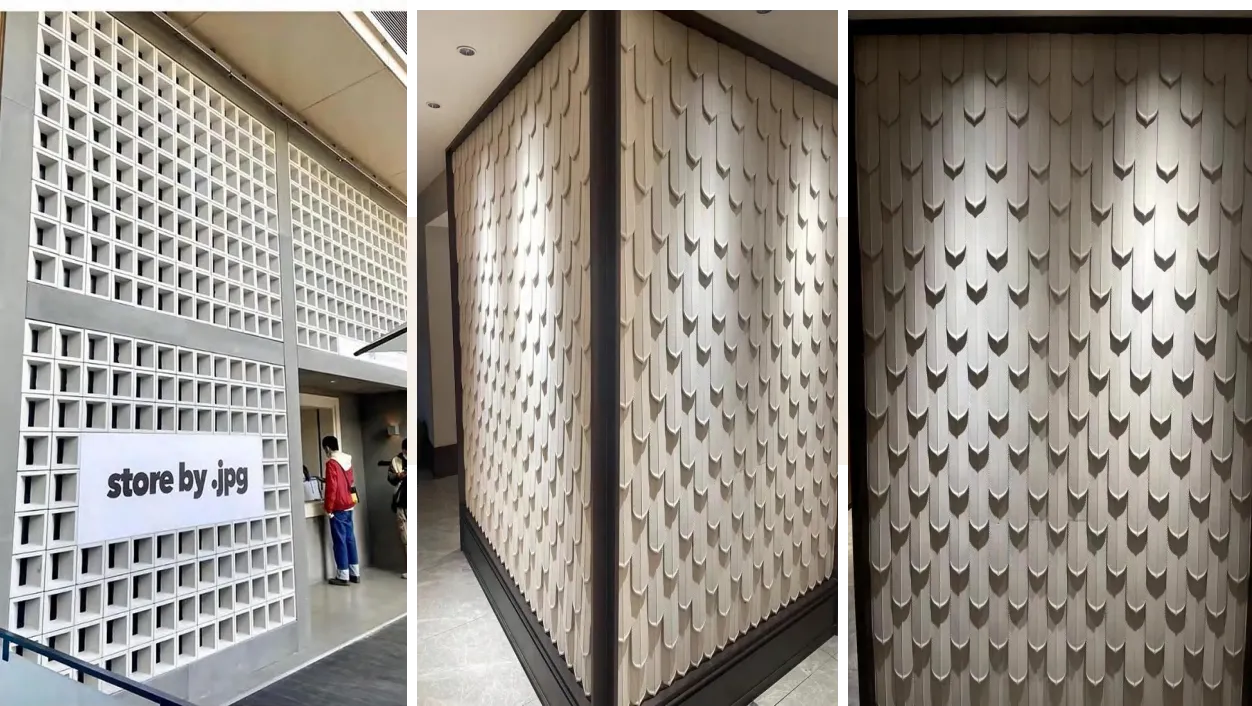
So, what makes PU stone wall panels so good at keeping water out? It starts with their cellular structure. Unlike natural stone, which has tiny pores that act like sponges, polyurethane foam is made up of closed, air-filled cells. These cells don't absorb water; instead, they repel it, creating a barrier that even heavy rain or high humidity can't penetrate. Think of it like a raincoat for your walls—water beads up and runs off, rather than soaking in.
But don't just take our word for it. Reputable PU stone wall panel suppliers subject their products to rigorous testing. Many panels undergo water immersion tests, where they're submerged in water for 24 hours and checked for absorption. The best ones absorb less than 1% of their weight in water—compared to natural sandstone, which can absorb up to 15%. They're also tested for resistance to salt spray, a critical feature for coastal areas like Jeddah or Dammam, where saltwater in the air can corrosion in other materials.
Another advantage? Their flexibility. Traditional stone panels are rigid, and over time, shifts in the building's structure (due to temperature changes or settling) can create cracks—gaps that water loves to exploit. PU stone panels, however, have a slight give to them, bending without breaking. This flexibility means fewer cracks, fewer entry points for moisture, and a longer lifespan for your cladding.
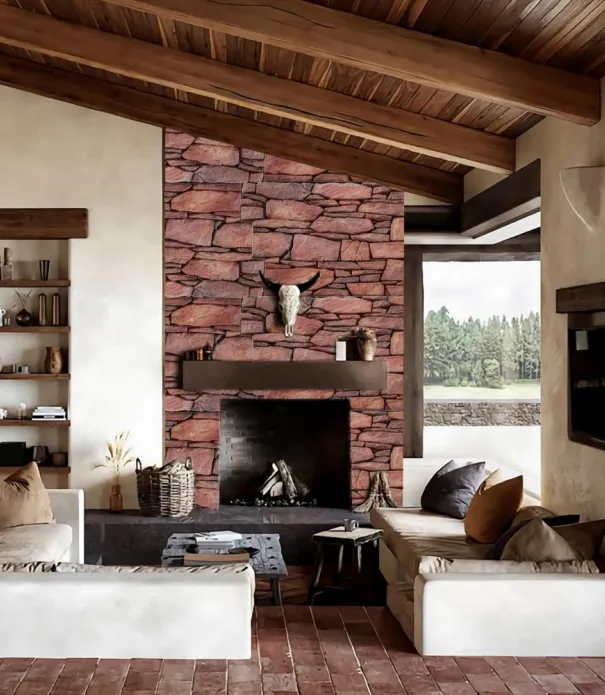
While water resistance is their superpower, PU stone wall panels bring more to the table than just moisture protection. Let's start with weight. Traditional stone cladding can weigh 50-100 kg per square meter, requiring reinforced structures and heavy-duty installation equipment. PU panels, by contrast, weigh 8-12 kg/m²—light enough to be installed by two people with basic tools. This not only cuts down on labor costs but also makes them suitable for retrofit projects where the original structure can't support heavy materials.
Installation is a breeze, too. Most panels come with a tongue-and-groove system or adhesive backing, meaning they can be mounted directly to walls without the need for mortar or complex framing. A team can clad an average-sized living room wall in a day, compared to a week for natural stone. For busy contractors or homeowners on a timeline, this speed is a game-changer.
Durability is another win. PU stone panels are resistant to impact, fading from UV rays, and even pests—no termites or wood-boring insects here. They're also easy to clean: a quick wipe with a damp cloth is all it takes to remove dirt or stains, making them ideal for high-traffic areas like hotel lobbies or school corridors. And because they're factory-made to precise specifications, there's little waste during installation—good news for eco-conscious builders.
Perhaps most surprisingly, they're energy-efficient. The closed-cell foam in PU panels acts as insulation, reducing heat transfer through walls. In Saudi Arabia's hot climate, this can lower cooling costs by up to 15%, according to some studies. It's a small bonus that adds up to big savings over time.
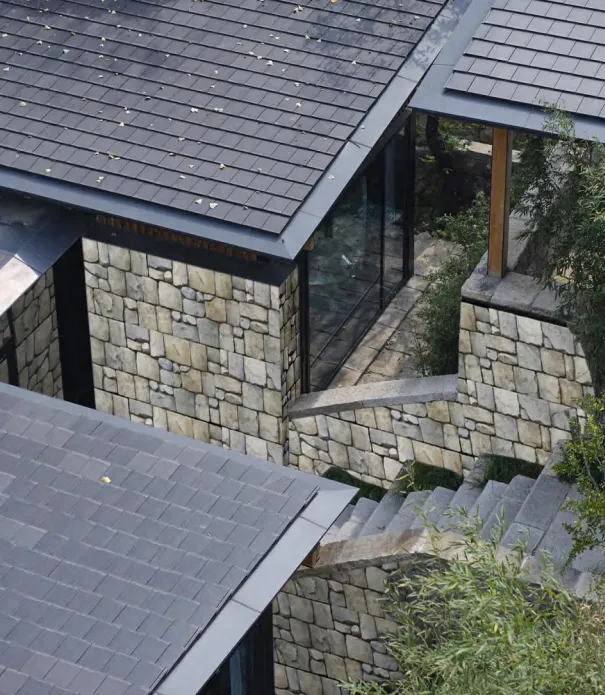
One size doesn't fit all when it comes to building materials, and the best PU stone wall panel supplier knows this. Today's PU stone wall panel solutions are designed to meet the unique needs of different spaces—whether you're cladding a high-rise's exterior or adding accent walls to a residential bathroom.
Exterior Applications: For building facades, balconies, or garden walls, panels are treated with extra UV-resistant coatings to prevent fading. They're also engineered to withstand extreme temperature swings—from Saudi Arabia's scorching 50°C summers to cooler winter nights—without cracking or warping. Many suppliers offer "architectural façade solutions" packages, which include custom colors and textures to match the building's design vision. Imagine a commercial tower in Riyadh with a sleek, modern exterior clad in large-format PU stone panels that mimic the look of Swiss stone—elegant, durable, and impervious to the elements.
Interior Applications: Indoors, the focus shifts to aesthetics and versatility. PU stone panels are perfect for accent walls in living rooms, backsplashes in kitchens, or even shower walls in bathrooms. They pair beautifully with other interior decoration materials like wood flooring or glass partitions, adding depth and texture to any space. Hospitals and schools, which prioritize hygiene, can benefit from panels with antimicrobial coatings, while hotels might opt for luxury finishes that mimic rare marbles or granites—all without the maintenance headaches of natural stone.
Customization is key here. Suppliers can create panels in specific sizes, colors, and textures to fit a project's unique requirements. Need a panel that looks like aged travertine for a heritage-inspired hotel? Or a smooth, matte finish for a minimalist café? A reputable supplier will work with you to turn those ideas into reality, ensuring the final product aligns with both your design goals and performance needs.
Still on the fence? Let's stack PU stone wall panels against common alternatives to see how they measure up in humid climates:
| Material | Water Resistance | Weight (kg/m²) | Installation Time | Maintenance Needs | Suitability for Humid Climates |
|---|---|---|---|---|---|
| PU Stone Wall Panels | Excellent (closed-cell structure, <1% water absorption) | 8-12 | 1 day (avg. wall) | Low (wipe clean, no sealing needed) | Highly suitable |
| Natural Granite | Poor (porous, requires sealing every 1-2 years) | 50-80 | 3-5 days (avg. wall) | High (sealing, stain removal) | Not ideal |
| Wood Cladding | Very poor (absorbs moisture, prone to rot/warping) | 15-25 | 2-3 days (avg. wall) | Very high (painting, staining, termite treatment) | Unsuitable |
| Vinyl Siding | Good (water-resistant but can trap moisture behind) | 3-5 | 1-2 days (avg. wall) | Medium (prone to cracking in heat) | Moderately suitable |
| Traditional Ceramic Tiles | Good (but grout lines absorb water) | 20-30 | 2-3 days (avg. wall) | Medium (grout sealing, mold cleaning) | Suitable but high maintenance |
The table tells a clear story: PU stone wall panels outperform traditional materials in water resistance, weight, installation speed, and maintenance—all critical factors in humid climates. They offer the best of both worlds: the look of natural stone with the practicality of modern engineering.
Not all PU stone wall panels are created equal, and the supplier you choose can make or break your project. So, what should you look for when selecting a partner?
Quality Certifications: Reputable suppliers will have certifications to back up their claims—look for ISO 9001 for quality management, or specific water resistance certifications like ASTM D7147 (standard test for water absorption of rigid cellular plastics). If the panels are for commercial use, check for fire ratings (many PU panels are Class B or C, suitable for most applications).
Customization Options: A good supplier won't limit you to a catalog of pre-made panels. They should offer custom colors, textures, and sizes to fit your design needs. Ask about minimum order quantities for custom projects—some suppliers are flexible, even for small-scale jobs.
Technical Support: Installing wall panels might seem straightforward, but every project has unique challenges. Look for a supplier that provides technical guidance, from material selection to installation tips. Some even offer on-site support for complex projects, ensuring the job goes smoothly.
Track Record: Don't be afraid to ask for references or case studies. A supplier with experience in Saudi Arabia's climate will understand the specific challenges of local humidity, temperature, and building codes. Online reviews and testimonials can also give you insight into their reliability and customer service.
Remember, your supplier isn't just a vendor—they're a partner in protecting your building. Investing time in finding the right one will pay off in the long run, with a finished product that looks great, performs better, and lasts for years.
In humid climates, where moisture is a constant threat, the materials we choose for our buildings matter more than we often realize. PU stone wall panels aren't just a trend—they're a smart, sustainable solution that addresses the core challenges of humidity while delivering on beauty and versatility. Whether you're a homeowner looking to protect your family's health, a contractor aiming to deliver durable projects on time, or an architect designing spaces that stand the test of time, these panels offer a way forward.
As one satisfied homeowner put it: "I used to stress every time it rained, wondering if my walls were soaking up water. Now, with PU stone panels, I don't give it a second thought. They've turned my house into a home that feels safe, beautiful, and built to last."
So, if you're planning a project in a humid climate, don't let moisture dictate your choices. Explore the possibilities of PU stone wall panel solutions—your walls (and your wallet) will thank you.
Recommend Products











