

Walk into any thoughtfully designed space—whether it's a cozy café downtown, a sleek corporate office, or a family home—and you'll notice something immediately: the walls aren't just boundaries. They're storytellers. The materials covering them whisper about the space's personality, from the warmth of a rustic cabin to the sharp edge of a modern loft. In today's design landscape, two materials have risen to the top as go-to choices for wall panels: PU stone wall panels and wood (or wood-inspired alternatives like WPC). But how do you choose between the rugged charm of stone and the timeless warmth of wood? As someone who's spent years talking to suppliers, designers, and homeowners, I'm breaking down the nuances, the trade-offs, and the hidden insights that will help you pick not just a panel—but a partner in bringing your vision to life.
Before we dive into the nitty-gritty, let's make sure we're on the same page. When we talk about "PU stone wall panels," we're referring to lightweight, flexible panels made from polyurethane (PU), designed to mimic the look and texture of natural stone. They're a favorite among designers aiming for an industrial or earthy vibe without the heaviness (or cost) of real stone. On the flip side, "wood wall panels" can range from solid hardwood planks to engineered options like WPC (wood-plastic composite), which blends wood fibers with plastic polymers for added durability. These panels lean into warmth, bringing a touch of nature indoors, whether it's a reclaimed barn wood aesthetic or a smooth, modern oak finish.
But here's the thing: choosing between them isn't just about "warmth vs. industrial." It's about understanding how each material performs in real life—how it holds up to kids, pets, humidity, and time. And who better to shed light on that than the suppliers themselves? I sat down with a few industry pros—a pu stone wall panel supplier with over a decade of experience, a wpc wall panel supplier who specializes in sustainable materials, and a designer who's worked with both—to get their unfiltered take.
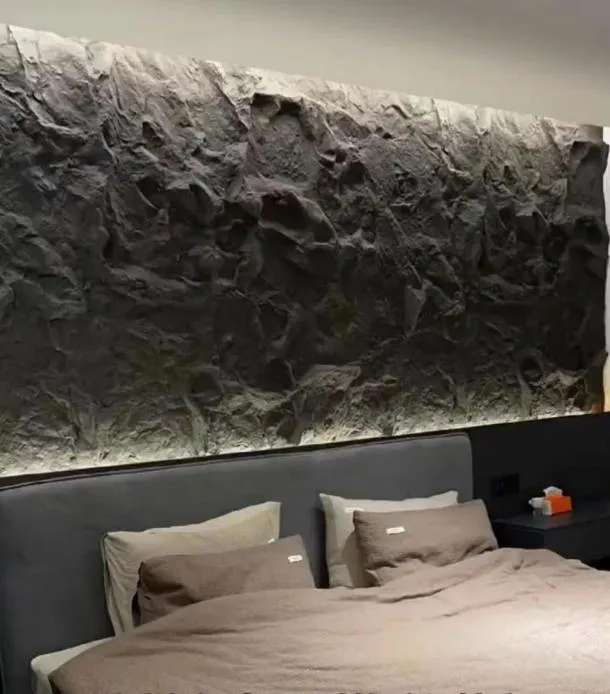
Let's start with the underdog that's been stealing the spotlight lately: PU stone wall panels. "Most people hear 'stone' and think heavy, expensive, and hard to install," says Sarah Chen, a sales director at a leading pu stone wall panel supplier based in Saudi Arabia. "But PU stone is a game-changer. It's made by injecting polyurethane foam into molds that replicate real stone textures—think limestone, slate, or even stacked stone. The result? A panel that weighs 70% less than natural stone, bends slightly (so it can hug curved walls), and installs in a fraction of the time."
I got to see a sample in person, and I'll admit: I was skeptical. Could something so light really look like stone? But running my hand over the panel, I felt the rough, pitted texture of real rock; from a few feet away, I couldn't tell the difference. "That's the magic," Sarah laughs. "We work with architects who want the drama of a stone accent wall in a high-rise lobby but can't handle the structural load of real stone. PU solves that."
Durability is a big selling point here. "Natural stone is porous—it stains, it chips, it absorbs water," Sarah explains. "PU stone? It's waterproof, fire-resistant (many of our panels meet Class A fire ratings), and scratch-resistant. We had a client install our panels in a restaurant kitchen backsplash, and after two years of grease, steam, and the occasional pot clatter, they still look brand new."
Then there's versatility. "We offer panels in every stone style you can imagine—from rugged fieldstone to sleek, honed marble-lookalikes," Sarah adds. "And because they're lightweight, they're not just for walls. We've done accent ceilings, fireplace surrounds, even outdoor patios (with a UV-resistant coating). A hotel in Riyadh used our panels to create a 'cave-like' spa area—no heavy machinery needed. Just adhesive and a few screws."
No material is perfect, and PU stone has its limits. "If you're going for a 'rustic, weathered' look, PU can mimic it, but it won't develop the same patina as real stone over time," Sarah admits. "Natural stone ages gracefully—scratches and stains become part of its story. PU stays consistent, which is great for some, but not if you want that lived-in character."
Cost is another factor. While PU is cheaper than natural stone, it's often pricier than basic wood panels. "You're paying for the technology—the molds, the engineering to make it lightweight yet strong," Sarah says. "But most clients find it's worth it when they factor in installation costs. A natural stone wall might require a team of masons and structural reinforcements; our panels can be installed by two people in a day."
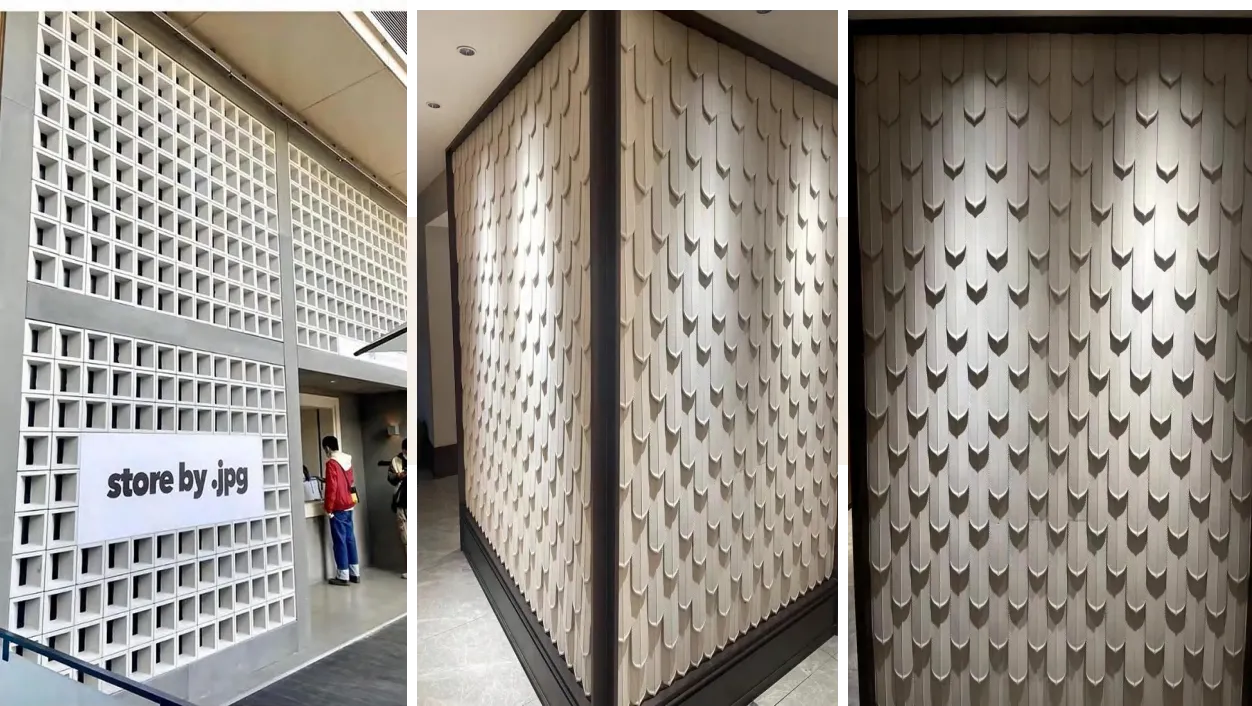
Now, let's shift to the classic: wood. "Wood has been used for centuries because it's universal," says Miguel Torres, a wpc wall panel supplier whose family has been in the lumber business for three generations. "It's warm, it's organic, and it works in almost any style—farmhouse, Scandinavian, mid-century modern. But traditional solid wood panels have issues: they warp in humidity, scratch easily, and can be a nightmare to maintain in high-moisture areas like bathrooms or basements."
That's where WPC (wood-plastic composite) comes in. "WPC panels are a hybrid," Miguel explains. "We take recycled wood fibers, mix them with plastic (usually HDPE or PVC), and extrude them into panels. The result? All the look of wood, but with the durability of plastic. They're water-resistant, termite-proof, and don't require staining or sealing every year."
I visited Miguel's showroom, and the WPC samples were eye-opening. There was a panel that looked exactly like reclaimed pine, with knots and grain patterns so realistic I had to check twice. Another mimicked teak, with a smooth finish perfect for a modern bedroom. "We even offer wood grain prints that match rare woods like zebrawood or mahogany—without cutting down a single tree," Miguel says, pointing to a sustainability chart on the wall. "Our WPC panels are made with 70% recycled materials, which is a big selling point for eco-conscious clients."
The biggest advantage? Aesthetics. "Nothing beats the warmth of wood," Miguel says. "Walk into a room with wood panels, and your brain immediately relaxes. It's biological—we evolved in nature, so wood feels safe and comforting." Studies back this up: research from the University of British Columbia found that spaces with natural wood elements reduce stress hormones by up to 13%. "We had a client in Canada who used our WPC panels in a pediatric hospital waiting room," Miguel recalls. "The feedback was incredible—parents said kids were calmer, nurses noticed less anxiety. That's the power of wood."
Installation is another plus. While solid wood panels require precise measuring and often professional carpenters, WPC panels are designed for DIYers. "Most of our panels click together like puzzle pieces," Miguel says. "We include adhesive strips and a guide, and homeowners tell us they can cover a 10x10 wall in a weekend. No sawdust, no special tools—just a rubber mallet and a level."
But even WPC has its flaws. "It's not as heat-resistant as PU," Miguel admits. "If you mount a TV directly onto WPC panels, the heat from the back can warp the plastic over time. We recommend using a heat-resistant backing or leaving a gap for airflow." Sunlight is another enemy: unprotected WPC can fade if exposed to direct UV rays for years. "We offer UV-stabilized options, but they cost a bit more," he adds.
And let's talk about that "wood look." While WPC has come a long way, there's still a difference between the real thing and a composite. "A trained eye can spot it," Miguel says. "The grain doesn't have the same depth, the texture is slightly smoother. For clients who want 'authenticity above all,' we still recommend solid wood—even if it means more maintenance."
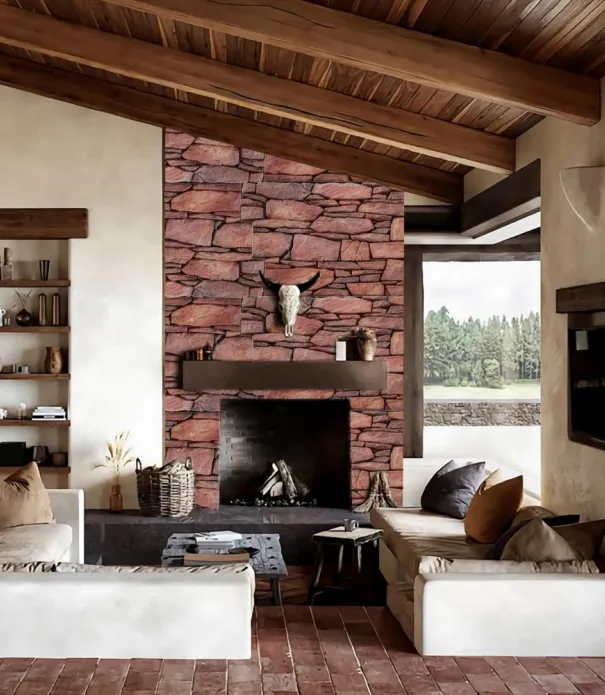
Okay, so we've heard from the suppliers—but how do these materials stack up side by side? Let's break it down with a comparison that goes beyond aesthetics.
| Factor | PU Stone Wall Panels | WPC Wood Wall Panels |
|---|---|---|
| Material Makeup | Polyurethane foam with stone-textured coating; lightweight and flexible. | Recycled wood fibers + plastic polymers; rigid but slightly flexible. |
| Aesthetic Vibe | Industrial, earthy, dramatic. Think: loft apartments, restaurants, accent walls. | Warm, cozy, natural. Perfect for bedrooms, living rooms, cabins. |
| Durability | Waterproof, fire-resistant (Class A ratings available), scratch-proof. Lasts 15–20 years. | Water-resistant (not fully waterproof), scratch-resistant, termite-proof. Lasts 10–15 years. |
| Maintenance | Wipe with a damp cloth; no sealing or staining needed. | Wipe with mild soap and water; avoid harsh chemicals. UV-stabilized panels need re-coating every 5 years. |
| Installation | Lightweight (5–8 lbs per panel); adhesive or screws. Can be installed over drywall, concrete, or brick. | Lightweight (8–10 lbs per panel); click-lock system or adhesive. Best for drywall or flat surfaces. |
| Cost | $25–$45 per sq ft (including materials and installation). | $15–$30 per sq ft (including materials and installation). |
| Sustainability | Polyurethane is non-biodegradable, but some suppliers use recycled foam. Limited recycling options. | Made with recycled wood and plastic; fully recyclable at end of life. Lower carbon footprint. |
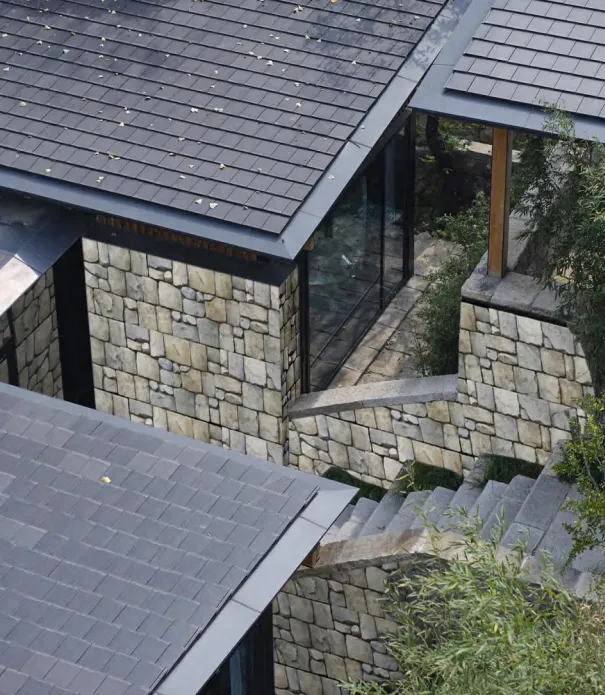
Okay, so you've decided you want PU stone or WPC wood panels. Now what? Choosing the right supplier is just as important as choosing the material. I asked Sarah and Miguel for their "must-ask" questions when vetting a supplier.
1. What's the fire rating? "Not all PU panels are created equal," Sarah warns. "Some cheap imports have low fire resistance, which is a disaster for commercial spaces like hotels or schools. Ask for a Class A fire certificate—if they can't provide it, walk away."
2. Can I get a custom texture? "Most suppliers offer standard molds, but if you want something unique—like a specific type of limestone from Italy—ask if they do custom mold-making. It'll cost more, but it's worth it for a one-of-a-kind space."
3. What's the warranty? "A reputable supplier will offer at least a 5-year warranty against cracking or peeling," Sarah says. "Our panels come with a 10-year warranty because we stand behind the foam density and coating quality."
1. What's the recycled content? "If sustainability matters to you, ask for the percentage of recycled materials," Miguel advises. "Our panels are 70% recycled, but some suppliers use only 30%—and charge the same price."
2. How does it handle moisture? "Water-resistant doesn't mean waterproof," Miguel. "If you're installing in a bathroom, ask for panels with a closed-cell structure—they're denser and less likely to absorb water. Some suppliers even offer a waterproof warranty for wet areas."
3. Can I see a sample in different lighting? "Wood grain prints can look different under LED vs. natural light," Miguel says. "Ask for a sample and test it in your space at different times of day. You don't want to order 100 panels only to find the color clashes with your lighting."
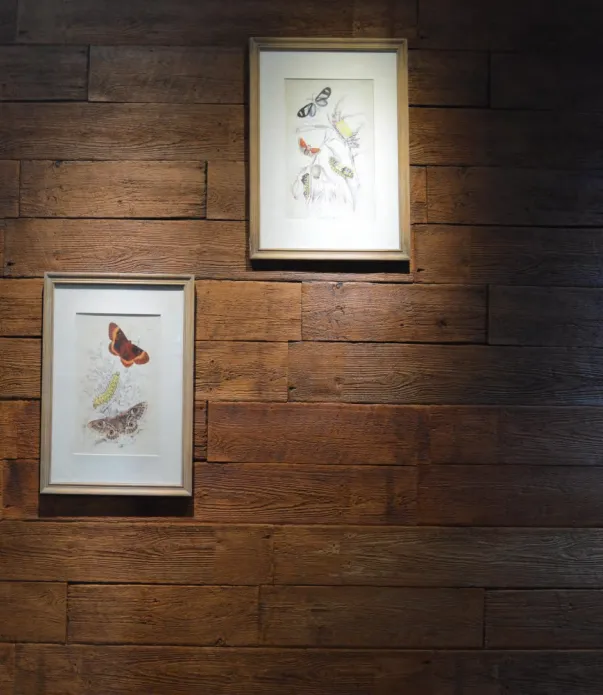
At the end of the day, choosing between PU stone and WPC wood panels isn't about "better" or "worse"—it's about what feels right for your space. Want to add industrial edge to a living room without losing warmth? Pair PU stone on one accent wall with WPC wood panels on the others. Designing a restaurant with an indoor-outdoor vibe? Use PU stone outside (it's weather-resistant!) and WPC inside for that cozy, welcoming feel.
And remember: materials evolve. "We're working on a PU panel that has a wood grain texture," Sarah tells me. "And Miguel's team is testing WPC with stone-like finishes. The future is hybrid—materials that blend the best of both worlds."
So go ahead—dream big. Whether you're drawn to the rugged charm of stone or the timeless warmth of wood, there's a panel (and a supplier) out there that's perfect for your story. After all, walls aren't just walls—they're where memories are made. And isn't that worth getting right?
Recommend Products











